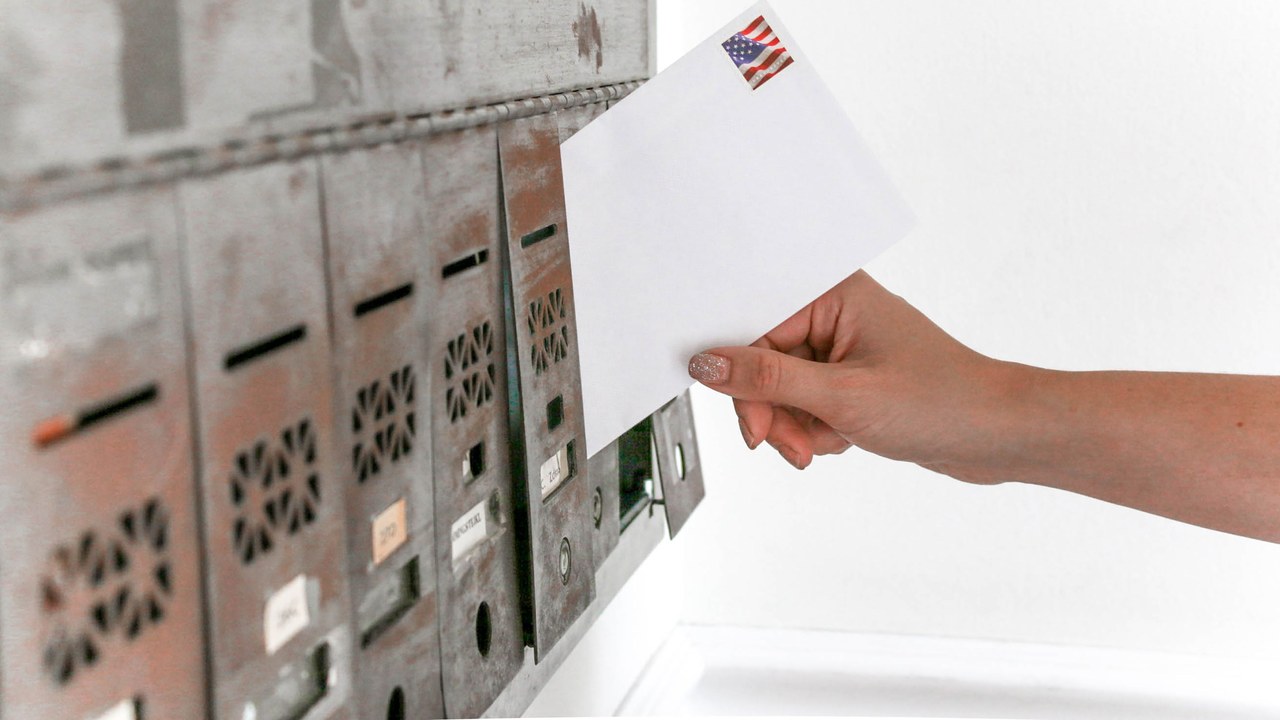
A federal tax refund check that never showed up can be traced, and the IRS sets out different first steps depending on how the return was filed. People who filed as single, married filing separately or head of household start with an automated phone line. People who filed jointly have a different number to call, or they can mail a form. The agency’s refund page was last reviewed June 28, 2026.
Who calls which number
According to the IRS refund page, a filer who is single, married filing separately or head of household calls the automated line at 800-829-1954 with the return in hand. Current-year refunds can also be traced in the IRS refund tracker or the IRS app. A married couple that filed jointly is told to contact the agency at 800-829-1040. The same section gives a second option for joint filers: “complete and send us Form 3911, Taxpayer Statement Regarding Refund.”
That makes Form 3911 the written route for a joint return, not the only one. A couple can phone, or they can fill out the form. Form 3911 is the form the agency names for joint filers on this page.
When a check counts as missing
The IRS tells filers to confirm that the full processing time has passed before starting a trace. Refund checks should arrive within about four weeks of being issued, so the trace window opens after that. Normal timing runs about three weeks for an e-filed return, and six or more weeks for a paper return mailed in, according to the same page.
A taxpayer who cannot find a check, or whose check has not come, is in the group this trace is meant for. The practical steps are to wait out the processing time, gather the return and the mailing address on it, and then make the call that matches the filing status, or complete Form 3911 if the return was joint. Anyone who has not yet received a check should keep the return nearby, since the IRS asks callers to have it ready.
A refund check that never arrived leaves the money in limbo until a trace is started, and the right route depends on filing status. The IRS Refund Recovery Kit walks through the refund-trace steps (Form 3911) so a joint return gets the right form and the right number.
Follow the refund-trace steps for a missing check in the Recovery Kit →
What happens after the trace starts
The next step depends on what happened to the check. If it was never cashed and is under a year old, the IRS says it cancels the check and mails a new one. The page puts a replacement check at within four weeks of the reissue date. If an uncashed check is more than a year old, the IRS mails a new check along with a CP32 notice. When it cannot reissue the refund, it sends a CP32A notice that asks the taxpayer to call to request a replacement.
If the check was cashed by someone else, the process is slower. The Bureau of the Fiscal Service mails a claim package and a copy of the cashed check, and the taxpayer returns the completed package for review. The IRS says that review can take up to six weeks to complete.
Paper refund checks are being phased out
The IRS announced in release IR-2025-94, dated September 23, 2025, that paper tax refund checks for individual taxpayers would be phased out beginning September 30, 2025, as required by Executive Order 14247 “to the extent permitted by law.” The release says the IRS issued more than 93.5 million refunds to individual filers in the 2025 filing season and that only 7 percent of recipients got a check in the mail. It names prepaid debit cards, digital wallets and limited exceptions as options. The refund page itself does not discuss the phase-out, and it states no direct-deposit requirement.
The three-year limit on claiming a refund
A refund that was never received is separate from a refund that was never claimed. The IRS page on the time to claim a credit or refund sets the window at three years from the date the return was filed or two years from the date the tax was paid, generally whichever is later. A return filed before its due date is treated as filed on the due date, and withholding and estimated payments are treated as paid on the return due date. The agency says no credit or refund is available if the claim is not filed in time.
Starting the refund trace the right way
The free place to begin is the IRS refund page at irs.gov/refunds, which lists both phone numbers, links to Form 3911 and explains the CP32 and CP32A notices. For a current-year refund, the refund tracker or IRS app can start the trace without a call.
Before calling or mailing the form, it helps to have the filed return, the filing status, the refund amount expected and the date it was issued, plus any IRS letter that mentions a check. For a joint return, both spouses’ names and Social Security numbers will be needed. Anyone who finds an old check in a drawer should note the date on it, since the IRS treats checks under a year old and over a year old differently.
The details on this story come from the IRS refund page, reviewed June 28, 2026, and the agency’s September 2025 announcement of the paper-check phase-out.
A missing refund and a joint return
A couple who filed jointly and never received a refund check can lose weeks sending the wrong request. The IRS Refund Recovery Kit includes the refund-trace steps (Form 3911), a notice decoder for CP32 and CP32A letters, and a refund status tracker spreadsheet that keeps the dates in one place.
Get the Form 3911 trace steps and refund tracker in one kit →
This article was produced with AI assistance and edited for accuracy against the sources linked above.