
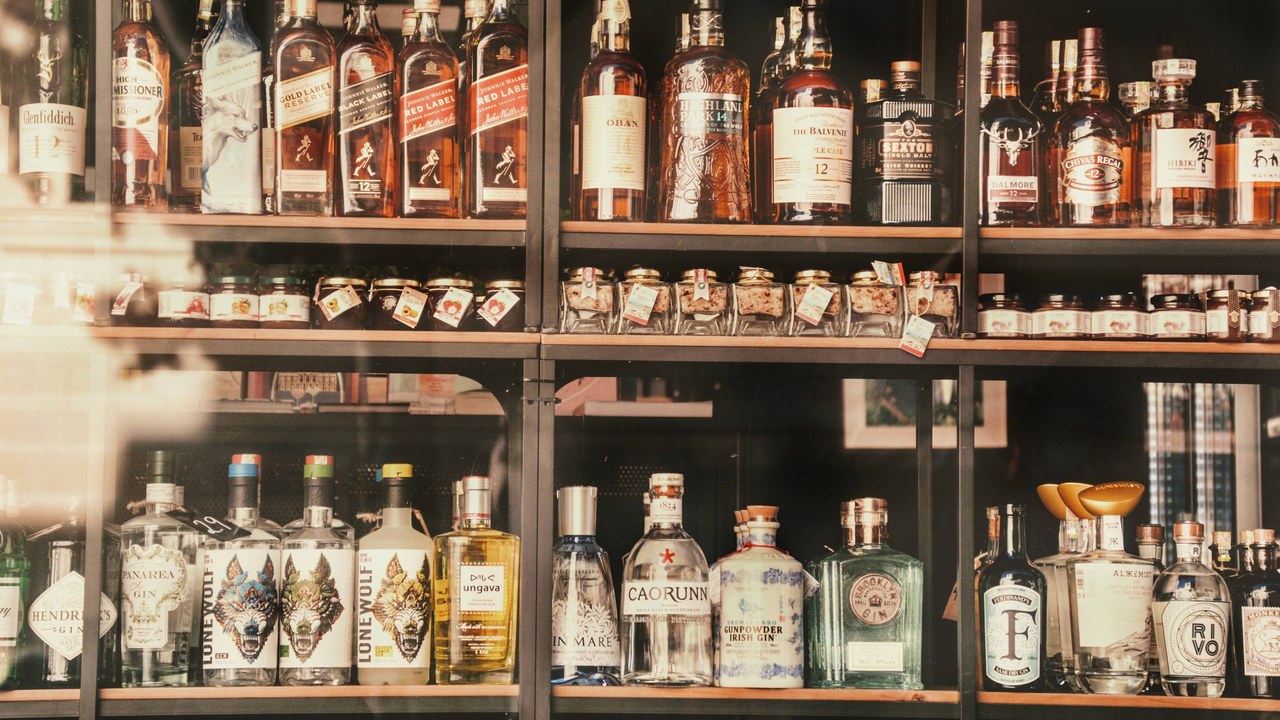
President Trump signed a proclamation on September 8 that took some Canadian products off the list of goods carrying an extra import duty and left the rest on it. The change applies to goods entered, or withdrawn from a warehouse, for consumption on or after 12:01 a.m. Eastern time on September 15, 2026. The duty traces back to Canada’s treatment of U.S. alcoholic beverages.
What Proclamation 11064 did
Proclamation 11064 appeared in the Federal Register on September 14 as 91 FR 58331. It modifies an earlier proclamation and sorts Canadian products into two lists in Annex I. Products on Part A stay subject to the additional duty. Products on Part B, the proclamation says, “shall no longer be subject to the additional ad valorem duty.” An ad valorem duty is charged as a percentage of a product’s value.
The proclamation’s own text does not name individual products. The two lists sit in the annex, which the Federal Register prints as images, so a reader who wants to know whether a particular Canadian product moved has to find it in Annex I.
The reverse also holds. A product left on Part A still carries the extra duty. Shelf prices on those goods are not being relieved by the September 15 change.
Whatever happens to duties on Canadian goods, household bills still have to be paid. The Benefits Checklist scans 11 benefit programs, including heating help and property-tax breaks, and lists the 2026 income limits for each.
Browse the 11 household-cost programs in the Benefits Checklist →
Why the duty exists
The duty was created by Proclamation 11046, signed July 20, 2026, to offset what it calls Canadian discrimination against U.S. commerce in alcoholic beverages. That proclamation says that beginning in March 2025, all Canadian provinces and territories stopped buying, distributing or retailing U.S. alcoholic beverages, and that only Alberta and Saskatchewan lifted their bans, in June 2025. It puts the drop in U.S. alcoholic beverage exports to Canada at about 81 percent, from roughly $718 million to $137 million, comparing March 2025 through February 2026 with the year before. As an example, the proclamation cites the Liquor Control Board of Ontario, which stopped purchasing U.S. products on March 4, 2025. It adds that imports from countries other than the United States rose by more than $170 million over the same stretch, with the European Union accounting for more than $100 million of that. The additional duty took effect August 19, 2026.
The September 15 change narrows the list of Canadian goods hit by that duty. It does not end the duty, and it does not say whether Canada will lift its bans.
Does this change what shoppers pay
For most shoppers, the honest answer is that it depends on the product and on the store. A duty is paid by the importer when goods enter the country, and neither proclamation sets a retail price. A product that moved to Part B no longer carries the extra duty on goods entered after September 15, but goods that entered earlier were charged under the earlier list. Whether a store lowers a price, and how fast, is the store’s decision.
How a duty change reaches a price tag
The path from the border to the register has several stops. The importer pays the duty when the goods enter the country. The wholesaler and the retailer then decide how much of any change to pass along, and neither proclamation sets or caps a retail price. A September 15 entry date therefore marks when the duty stopped applying to a Part B product at the border, not when a price tag changes in a store.
Because the proclamation is organized by product, the effect is uneven. A household that buys one Canadian item on Part B may notice nothing, while an item on Part A keeps carrying the extra duty exactly as before.
Reading the annex and watching the price tag
The official text is the proclamation on the Federal Register, where Annex I Part A and Part B are listed. Anyone curious about a specific Canadian product can look it up there, or ask the retailer whether the product moved to Part B.
For a household budget, the practical test is simple. Note the price of a regular Canadian-made purchase now and again in a month or two, and compare it with what the same item cost before September 15.
Duty changes aside, 11 programs help with household costs
A September 15 change to import duties may or may not show up in a price, but income-tested programs reduce bills directly. The Benefits Checklist covers 11 benefit programs retirees often miss, the 2026 income limits and a 50-state phone directory. A printable tracker comes with the download.
Find the office behind each program in the Benefits Checklist’s 50-state phone directory →
This article was produced with AI assistance and edited for accuracy against the sources linked above.


