A Rockford, Illinois, woman has admitted in federal court that she collected more than $2 million in federally funded pandemic unemployment aid by filing for people who never asked for it. Carissa Jordan, 46, pleaded guilty to wire fraud this week, and the U.S. Attorney’s Office for the Northern District of Illinois says the identities behind the claims came from social media.
Affiliate links — we may earn a commission.
What Jordan admitted in court
The U.S. Attorney’s Office announced the plea in a release dated October 8. It says Jordan pleaded guilty to defrauding the government of more than $2 million in federally funded unemployment benefits, money paid through the Pandemic Unemployment Assistance program. The plea came on Wednesday, October 7, according to the weekday given in the release.
Wire fraud carries a maximum sentence of up to 20 years in federal prison. Sentencing is set for March 31, 2027. A plea is an admission, not a sentence, and the judge decides the penalty after that hearing. Until then, the figure to hold onto is the one in the plea itself: more than $2 million paid out on claims that were not what they appeared to be.
Names picked up from social media
The detail that stands out is where the identities came from. The U.S. Attorney’s Office says Jordan gathered them through social media, “with and without the individuals’ knowledge and consent.” Put plainly, some of the people whose identities were used knew about it and some did not. Either way, the plea covers the full amount: more than $2 million in benefits paid out on claims built from other people’s names.
For anyone who keeps a public profile, the case is a reminder that a name, a town and a few posts can be enough to start a false claim. Social media privacy settings are one lever. Another is the set of people-search and data broker sites that list names, ages and addresses whether or not anyone posted anything. Households that want fewer of those listings can use a service such as Incogni, which sends removal requests to data brokers and people-search sites on a person’s behalf and keeps re-sending them, while the profiles that people post themselves stay a matter for the account holder.
A claim that shows up under a stranger’s name
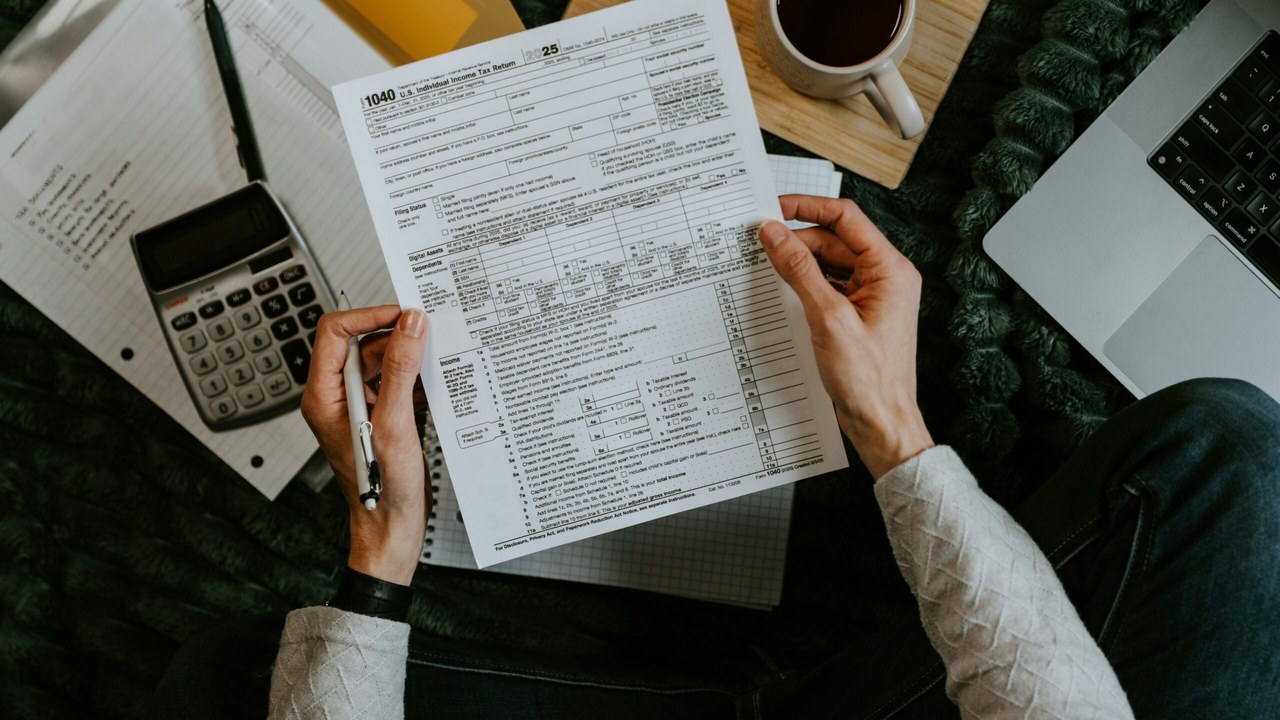
For a person whose name was used, the first sign can be paper. The IRS explains in its guidance on unemployment compensation that criminals use stolen identities to file unemployment claims in other people’s names. A state agency then reports the payments on a Form 1099-G, which shows the unemployment compensation paid in Box 1, and the person named on that form receives a copy at the address on file.
That matters at tax time because the IRS says unemployment compensation is generally taxable income, so a form for benefits never received can make a return look wrong. Someone who gets a 1099-G with an amount that does not belong to them is told to contact the state agency that issued it and ask for a corrected form.
Who bears the loss
The benefits in this case were federally funded, so the money that left came from the government rather than from the people whose names were used. For those people, the cost is of a different kind: phone calls with a state agency, a tax form that has to be corrected and the worry that a stranger has their details. The U.S. Attorney’s Office described the case by the total taken, more than $2 million, and the release does not turn on any one claimant’s experience.
The method is what sets this case apart. The release names social media as the source of the identities, not a hacked database or a stolen file. Names that people had put on public pages were the raw material, and the pandemic aid program paid out on the claims built from them.
Steps after a claim appears in the wrong name
The Federal Trade Commission runs IdentityTheft.gov, where a person can report identity theft and get a recovery plan. The same agency takes reports of scams at ReportFraud.ftc.gov. Those reports go to law enforcement, and they give a person a record to point to when a state office or the IRS asks what happened.
Before calling anyone, it helps to gather the pieces: the 1099-G or letter itself, the name of the state agency on it, the date it arrived and any phone number printed on it. A number taken from the paperwork is a number the sender controls, so a call to the state unemployment office should go to the number on that state’s own website. Anyone who has already filed taxes should keep a copy of the return, because a corrected 1099-G may change the income shown on it.
For this case, the next public step is the March 31, 2027 sentencing hearing, which the U.S. Attorney’s Office says is set in the Northern District of Illinois.
Names scraped from public pages
Carissa Jordan told a federal court she built more than $2 million in claims on identities gathered through social media. Public profiles are one source; data brokers and people-search sites sell much the same details in bulk. Incogni files removal requests with those brokers for a person and re-files them, so the listings have to come down again if they return.
Pull your name off people-search lists with Incogni →
This article was produced with AI assistance and edited for accuracy against the sources linked above.