
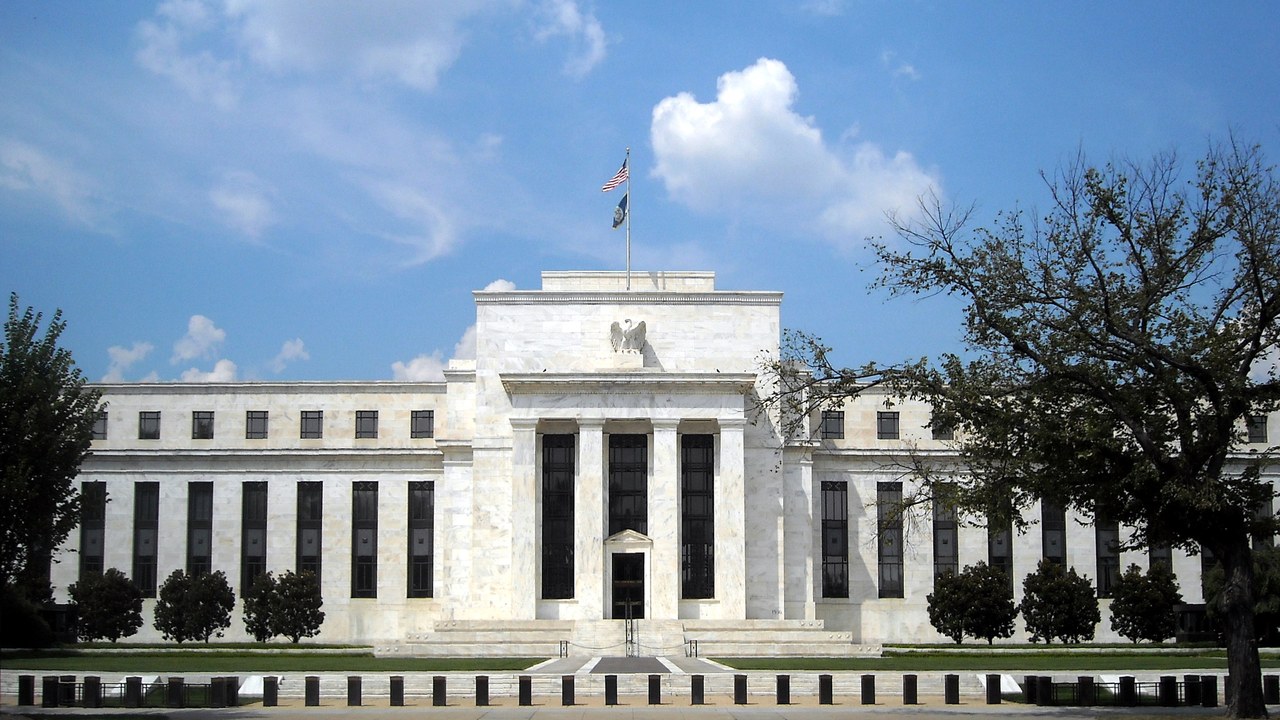
Nothing about a bank account changes yet. The Federal Reserve Board proposed rules on Sept. 24 that would set reserve requirements for payment stablecoins issued by firms the Board supervises, including subsidiaries of state member banks, and the proposals are still open for public comment.
Under the first proposal, those issuers would have to fully back their stablecoins with “certain permissible reserve assets, such as short-term Treasury bills and certain other high-quality, liquid assets,” the Fed said in its announcement. The second proposal would create an application process for banks that want to issue payment stablecoins through a subsidiary. Both stem from the GENIUS Act, the federal law on payment stablecoins.
A stablecoin is a digital token designed to hold a steady value, usually one dollar. Two questions sit behind a bank-linked stablecoin: what stands behind each coin, and whether deposit insurance applies. The Fed’s proposal speaks to the first, and the FDIC’s rules speak to the second.
What the reserves would look like
The Federal Register notice for the proposal says a Board-supervised issuer would be allowed to issue stablecoins only if it holds reserve assets equal to the coins outstanding. The notice lists the assets that would qualify, including:
- Money held in Federal Reserve accounts.
- U.S. Treasury obligations, with maturity limits proposed in the rule.
- Repurchase agreements that meet certain criteria.
- Eligible deposit claims at insured depository institutions.
- Money market funds that meet specified conditions.
The proposal would also require issuers to spread reserves across asset types so no single one concentrates the risk. It would let reserves be held directly or through a custodian that meets proposed standards, with the issuer keeping ultimate responsibility.
Stablecoin and bank rules keep changing, and The Retirement Money Brief explains one change each weekday, who it affects and what to do.
Get the free weekday brief → Free from RetireShield. Unsubscribe anytime.
Who the rules would cover
The proposal would apply to what the notice calls Board-supervised permitted payment stablecoin issuers. That group includes subsidiaries of state member banks that are approved to issue stablecoins, state-qualified issuers moving to federal oversight, and uninsured state-chartered depository institutions that meet transition requirements.
It would not reach every stablecoin. Issuers supervised by other regulators fall under separate rules. The FDIC, for one, approved its own GENIUS Act proposal in April for FDIC-supervised issuers, and the FDIC said its proposal covers standards for “reserve assets, redemption, capital, and risk management.”
Redemption and capital
The Fed’s announcement says the first proposal would also set standard capital requirements and safekeeping rules for reserve assets. The notice adds that supervised issuers would need the technological ability to meet redemption obligations on demand or within set timeframes, with holders receiving the fixed monetary value the coin represents.
A stablecoin is not a deposit
The Fed’s proposal governs reserves and redemption. It does not turn a stablecoin into an insured bank deposit. The FDIC says on its page about deposit insurance that coverage is $250,000 per depositor, per insured bank, for each account ownership category, and that it excludes investment products such as stocks, bonds, mutual funds, Treasury securities and cryptocurrency assets.
The FDIC has drawn one distinction. In its April announcement it said tokenized deposits that meet the legal definition of a deposit “would be treated no differently under the Federal Deposit Insurance Act than any other types of deposits.” Whether a given product is a deposit or a payment stablecoin is a matter of how it is structured, and the Fed’s proposal addresses only the stablecoin side.
What happens next
The notice appeared in the Federal Register on Sept. 29. Comments on the proposal are due Nov. 30, 2026, according to the notice. The Board then decides whether to adopt the rules, change them or drop them. Until a final rule is published, none of the reserve or application requirements are in force.
Telling a stablecoin from an insured account
The plainest test is the label. A deposit account at an FDIC-insured bank is covered up to the limit, and the FDIC’s 2022 advisory on crypto companies says that “deposit insurance does not cover non-deposit products, including crypto assets.” A product that a bank describes as a stablecoin, a token or a crypto asset falls on the other side of that line unless the bank says in writing that it is a deposit.
Before putting money into any bank-linked token, it helps to ask three things: who issues it, what assets back it and where those assets are held, and how and how quickly it can be redeemed for dollars. The Fed’s proposal speaks to the second and third questions for the issuers it would supervise.
The Federal Register notice carries the full text of the proposed rule and the instructions for sending comments, and the Fed’s Sept. 24 announcement links the two proposals and the statement by Governor Barr.
More Financial Reading
- How many CDs can you park at 1 bank? FDIC rules you must know
- Adding someone to your bank account: tax traps and smart moves
- The ideal retirement withdrawal rate so your savings actually last
This piece was drafted with AI assistance and edited for accuracy against the Federal Reserve, Federal Register and FDIC pages linked above.


