
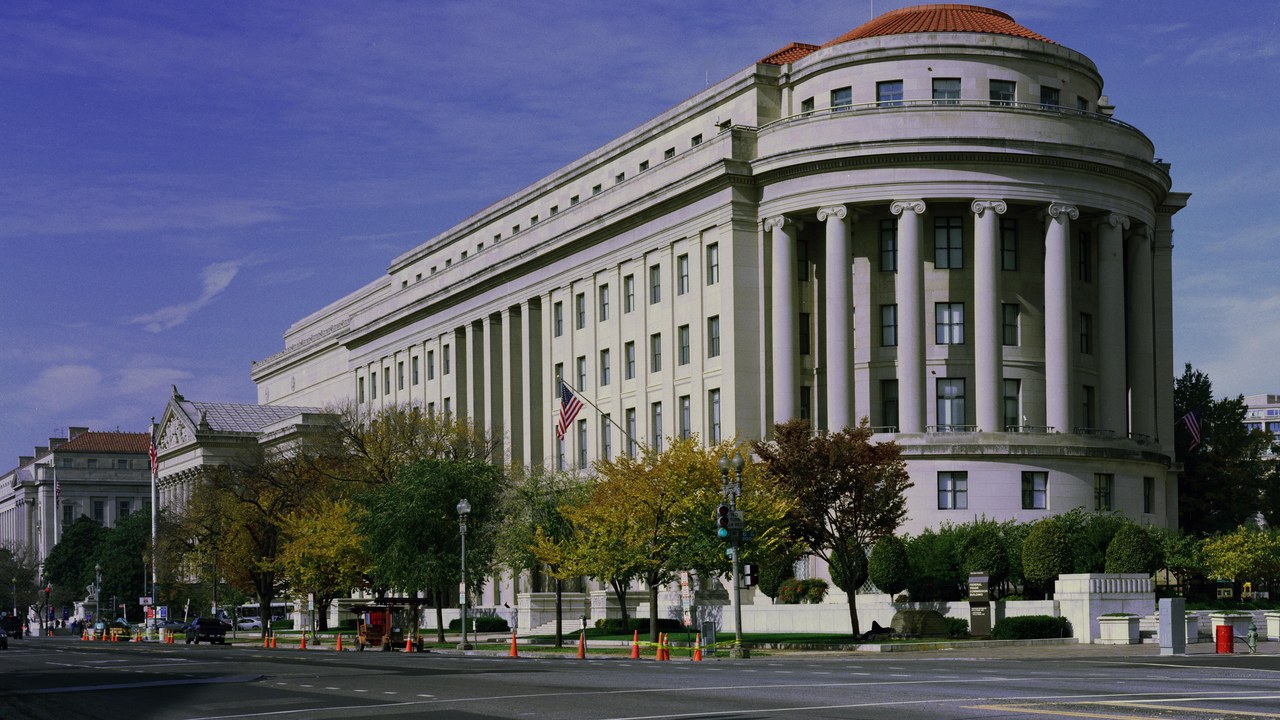
Federal Trade Commission Chairman Andrew N. Ferguson sent letters on Oct. 5 to 24 of the nation’s largest health care services companies about the way they quote prices to patients. The FTC says in its announcement that the letters remind the companies of their legal duty to give patients clear price information, particularly for routine and non-emergency care that is scheduled in advance.
No one has been charged. These are warning letters, and the announcement does not name the 24 companies that received them.
For patients, the question is a practical one. Can a price be pinned down before a procedure that was booked weeks ahead, such as imaging, a scope exam or an outpatient surgery? The FTC says the companies it wrote to have raised concerns on that front. The agency lists prices that leave out physician or facility fees, price information that turned out to be inaccurate, and prices that arrive too late for a patient to decide anything.
The FTC has not said what it will do after these letters, and The Retirement Money Brief will cover the next step in plain English when it happens.
Get the next update free → Free from RetireShield. Unsubscribe anytime.
What the letters accuse the companies of
The letters rest on Section 5 of the FTC Act, the federal law against unfair or deceptive business practices. The FTC cites both the deceptive and the unfair standards. In the agency’s words, “Failing to disclose the price of a healthcare service may be deceptive if the omission is likely to mislead consumers acting reasonably under the circumstances.”
The practices the FTC points to fall into five groups:
- Failing to provide timely, accurate and complete pricing information.
- Incomplete disclosures that leave out physician or facility fees.
- Price statements that are inaccurate.
- Prices given too late for scheduled services.
- Withholding the pricing information patients need to decide ahead of time.
The letters ask the companies to review their price disclosure practices and take corrective action as needed, according to the FTC. The announcement sets no deadline for a reply.
Why following the CMS rule does not settle it
Hospitals already face a price posting rule from the Centers for Medicare & Medicaid Services, or CMS. That rule took effect on Jan. 1, 2021, and CMS says on its price transparency page that hospitals must post a machine-readable file with all items and services and a display of shoppable services in a consumer-friendly format.
The FTC says that is not the end of it. Its letters state that “compliance with these CMS requirements does not mean that a healthcare facility has met its obligations under Section 5 of the FTC Act.” They add that “the CMS rules do not create a safe harbor from FTC Act liability.”
In plain terms, a hospital can post a price list and still face FTC questions if what it tells a patient about the cost of a scheduled procedure leaves out part of the bill. The CMS rule is about what gets posted online. The FTC is looking at whether patients are misled.
What a warning letter is, and is not
A warning letter is a notice, not a finding. The FTC has not said any company broke the law, and it has not announced a fine or a lawsuit. The agency posted a template of the letter on its site on Oct. 5, which sits in its library of warning letters for the health care industry.
Warning letters do tell a company that regulators are watching a particular practice. What follows depends on what the companies do next and on what the FTC decides, and the agency has not announced either.
Where the dollars can hide on a scheduled procedure
The fees the FTC flags, those of physicians and of the facility, are the ones that often arrive as separate pieces. A scheduled procedure can bring a facility charge, a surgeon’s charge and charges from other doctors involved in the visit. A price that covers only one piece is the kind of incomplete disclosure the letters describe.
That is why a patient who asks about the cost of planned care gets more from the answer when it comes with a list of what it covers. The questions worth asking are whether the number includes the facility, the physician and any imaging or lab work, and whether it will be given in writing.
Asking for a price and reporting a refusal
The first step is the simplest one: ask the facility for a written price for the scheduled service before the date, and ask which doctors will bill separately. Write down the date of the call, the name of the person who answered and the figure given. A hospital that has not posted its prices online can be reported to CMS, which says on its page that a complaint may be submitted “if it appears that a hospital has not posted information online.”
The FTC’s announcement also points people who run into deceptive practices to ReportFraud.ftc.gov. A report there is more useful with the facility’s name, the service, the price quoted and the amount later billed. Keeping the estimate and the final bill side by side is what makes a gap visible.
The FTC has said it sent the letters on Oct. 5 and that the CMS rules offer no safe harbor from the FTC Act. Any further action against a named company would be announced by the agency itself.
More Financial Reading
- How many CDs can you park at 1 bank? FDIC rules you must know
- Adding someone to your bank account: tax traps and smart moves
- Bank statements: how long to keep them and when to toss them
This article was produced with AI assistance and edited for accuracy against the FTC and CMS pages linked above.


