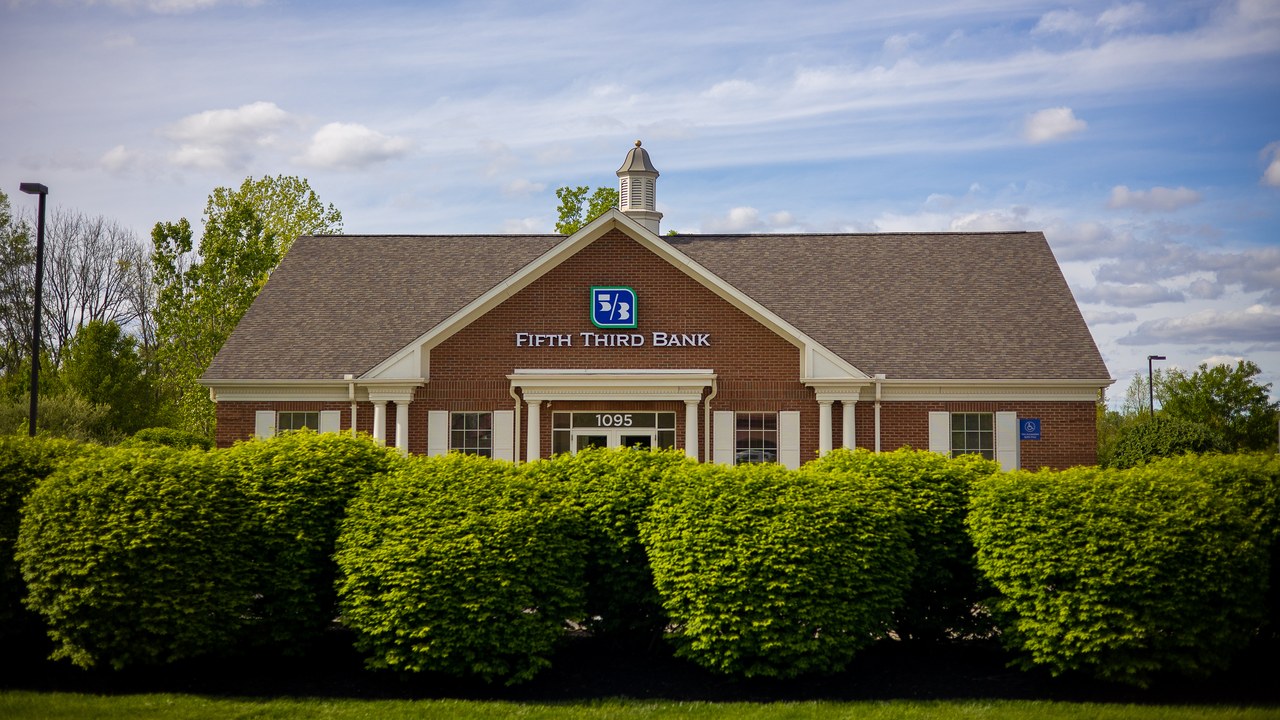
Treasury runs the Direct Express program, and its public Direct Express pages say nothing about the move to Fifth Third Bank. As of a read on October 6, 2026, the main Direct Express page and the news page, both marked last updated September 1, 2026, carry no notice, no timeline and no instructions for cardholders about a change of issuer. The only place the change shows up in an official document is an internal message written for Social Security staff.
What the Treasury pages do say
The one reference to Fifth Third on the Treasury page is a legal line: “The Fifth Third Bank issues the DirectExpress Debit Mastercard under a license from Mastercard International Incorporated.” That sentence names the issuer. It does not say Fifth Third took over from anyone, it does not mention Comerica Bank, and it does not tell a cardholder whether anything on the card, the account or the deposit will change. The news page repeats the same single line and lists no items about an issuer transition.
That silence is the story because Direct Express is the account where many federal benefit payments land for people who do not use a bank account, and a cardholder who relies on it deserves to hear from the agency in charge before a change, not to learn of it from the card.
So who is affected? Anyone who receives a federal benefit, including Social Security, on a Direct Express card, and anyone enrolling now. What they have to decide is small but concrete: where they will look for the real notice, and what they will check when a payment date arrives.
A payment calendar and a written script for responding to an agency notice are the two things a Direct Express household would want in hand if the real notice finally lands; The Social Security Check Protection Kit includes the 2026 payment calendar and word-for-word notice response and appeal scripts.
Open the Direct Express payment-date calendar and notice scripts →
The one document that explains the change
The explanation sits at the Social Security Administration. Its Emergency Message EM-26005 REV, effective May 19, 2026, says Fifth Third Bank has purchased and merged with Comerica Bank, and that Treasury selected Fifth Third as the new financial agent after a competitive selection process completed in September 2025. The message is written for SSA technicians, not for the public, and its retention date of December 31, 2026 is a records date, not a deadline for anyone.
It gives four facts a cardholder can use:
- Beginning May 18, 2026, new Direct Express enrollment requests go to Fifth Third Bank.
- There are no immediate impacts to SSA’s existing Direct Express customers, who keep using their current cards, and Fifth Third “will continue to honor the program’s existing terms that were originally established by Comerica.”
- Benefits will eventually migrate to Fifth Third cards, and the message says “You will receive communication in advance of any changes that will directly impact you.”
- A person with benefits on an existing card who enrolls in another benefit gets a separate Fifth Third card unless the benefits are consolidated by calling Treasury’s Electronic Payment Solution Center at 1-800-333-1795.
A promise of notice, with no date attached
Read together, the two sources describe a gap. SSA’s staff guidance promises advance communication. Treasury’s own pages, as of the read for this article, contain none yet. Neither source gives a date for migrating existing cardholders, and no official page read for this piece states how many cardholders are involved. A figure of 3.6 million circulates in press coverage, but it appears on none of the three official pages and is not used here.
For a household living on a fixed payment, the missing date matters less than the missing channel. A card transition that arrives without a clear sender is the setting in which scam texts and calls do well, because a cardholder who has been told to expect a change has no official page to compare the message against. The practical check is the plain one: if a message claims to be from Direct Express about a new card, compare it with what the Treasury pages say, and use the phone number printed on the back of the card rather than one in the message.
What the absence does not mean
Nothing on the pages suggests that benefits stop, that cards are cancelled, or that cardholders must act now. SSA’s message says the opposite for existing customers. What the silence does mean is that anyone who wants to know the timeline today cannot learn it from Treasury. Treasury could post a notice at any time, so the Direct Express pages remain the first place to look.
Checking the Direct Express pages before a payment date
The free, official route is Treasury’s Direct Express page and its news page, together with the 1-800-333-1795 consolidation line that SSA’s message gives for people with benefits on more than one card. Before each payment date, it helps to open those pages, confirm that the card on file is still the one in use, and write down the date of the last notice received.
Anyone enrolling in a second benefit should expect, per SSA’s message, a separate Fifth Third card unless consolidation is requested by phone, and should keep both cards’ numbers and dates straight. If a payment ever arrives late or a card stops working, the first step is a call to the number on the card, followed by a note of the date and time.
For a household that wants those steps on paper, The Social Security Check Protection Kit includes a first-24-hours plan for a late or missing payment and word-for-word notice response and appeal scripts.
Get The Social Security Check Protection Kit for a Direct Express account →
This piece was drafted with AI assistance; the figures and dates were checked against the Treasury Direct Express pages and SSA Emergency Message EM-26005 REV linked above.