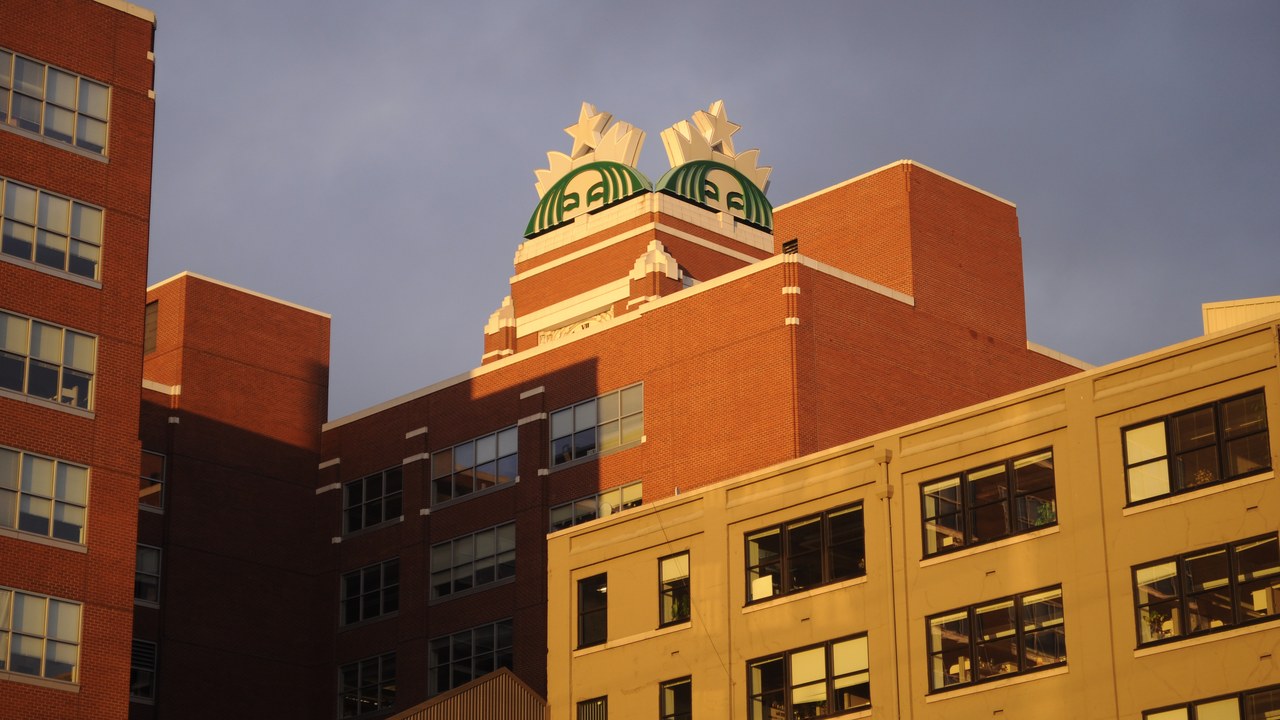
Starbucks has told Washington regulators that 224 corporate and remote employees will lose their jobs, with the first separations expected on October 19, 2026 and every one of them complete by November 1. The count is a single figure from one layoff notice, covering two groups: 120 Seattle headquarters staff and 104 remote workers. Two weeks from today, the first paychecks tied to those roles start to run out.
Two groups inside the 224: relocation declines and restructuring
The 224 breaks into 120 Seattle-based employees and 104 remote workers, according to syndicated coverage of the Worker Adjustment and Retraining Notification (WARN) filing dated August 20, 2026. The 120 are headquarters staff who declined to move to Nashville, where Starbucks is opening a new corporate office in 2027. The other 104 are remote workers.
Starbucks itself drew the same line in its statement on the filing, as Fox 13 Seattle reported: “Approximately 120 of the separations reflected in this notice are associated with those relocation declines. Approximately 104 are associated with organizational changes resulting from the restructuring work announced in May 2026.” The affected jobs span managers, directors, store design leads and real estate representatives, along with store designers, administrative assistants, lead application developers and engineers.
The notice stops short of one thing: severance. Neither report describes any severance terms, benefit continuation or transition pay, so none can be stated. The only dollar-relevant facts in the filing are the dates.
October 19 is the first separation date, not the last
The notice language, quoted in the coverage, reads: “The expected date of the first separations will be October 19, 2026, with all separations completed by November 1, 2026.” That makes October 19 the start of a two-week window, not a single cut-off day. Individual employees can fall anywhere inside it, and the filing as reported does not say who leaves on which date.
The August 20 filing date matters separately. It is the day Starbucks put the notice on the record, not the day anyone’s job ended. Counting from August 20, October 19 falls exactly 60 days later, which is the minimum advance warning the federal law asks for.
What the federal WARN rule requires and what it gives workers
The Department of Labor’s rules state that employers must give “notification 60 calendar days in advance of plant closings and mass layoffs”, with written notice going to affected employees and to the state’s dislocated worker unit, among other recipients. The law applies to businesses with 100 or more full-time workers.
The department’s Worker’s Guide describes the remedy when an employer falls short: workers may seek “damages for back pay and benefits for up to 60 days, depending on how many days’ notice you actually received.” Enforcement runs through the U.S. District Courts, where workers, their representatives and local governments may bring individual or class suits. The same guide lists the Department of Labor’s national toll-free help line, 1-877-US-2JOBS, for locating state rapid response units and career centers.
Nothing in the reporting suggests the 60-day mark was missed here. The point for affected employees is narrower: the notice period is the one entitlement the filing itself documents, and the dates in it are the ones to measure against.
Washington’s WARN database and the filing record
Washington’s Employment Security Department (ESD) keeps a public WARN layoff and closure database. Each entry lists the employer and location, the date the layoff takes effect, the number of affected workers and whether the action is permanent or temporary, organized by the date ESD received the notice. The department also lets anyone subscribe to emailed alerts when a new notice is published.
That database is where Fox 13 pointed readers for the filing. The ESD portal itself could not be read directly for this article, so the figures here rest on the two outlets that quoted the notice and on Starbucks’ own statement. The department’s pages, by contrast, were read directly and are cited for the rules below.
How a laid-off Washington worker applies for unemployment
ESD describes unemployment benefits as “temporary income when you lose your job through no fault of your own.” Applications go straight to the state agency, with no third party needed: online through ESD’s eServices portal, or by phone at 1-800-318-6022, with Washington Relay available at 711 for people with hearing or speech disabilities. ESD’s page notes that the weekly benefit is “the amount of money we pay you each week before any deductions” and that it may differ from the estimate a claimant sees at the start.
The sources do not say where the 104 remote workers live. The state-level route above applies to Washington; a remote employee based elsewhere would be dealing with a different state’s agency, and ESD’s pages say nothing about that situation.
A company still shrinking its non-retail ranks
The notice is part of a longer run. The coverage describes it as the eighth Washington layoff in two years, bringing the cumulative total to 2,538 employees, a running figure that is separate from the 224 in this filing. In December 2025, roughly 974 non-retail employees were let go. Fox 13 also listed earlier 2026 rounds: 69 positions on March 27, 61 on May 8 and 252 on May 17.
CEO Brian Niccol has said the aim is to reduce “non-retail headcount and expenses,” according to the Yahoo report, which put Starbucks’ global workforce at 381,000 as of September 2025. For the 224 named in this notice, though, the operative record is the one Starbucks filed on August 20: 120 relocation declines, 104 restructuring cuts, a first separation date of October 19 and a completion date of November 1.
When a paycheck has a stop date but the bills do not
The October 19 first-separation date in the Starbucks notice puts a firm end on some paychecks while rent, cards and loan payments keep their own due dates. The news leaves unresolved how a household handles a collector’s letter or tracks which funds are protected during that gap. The Bank Account & Debt Protection Kit is built for that unfinished job.
The Bank Account & Debt Protection Kit includes the debt-validation steps and a protected-funds and dispute log, so a letter from a collector can be answered and each dispute recorded in one place.
Set up the debt-validation steps and dispute log before the last paycheck →
This piece was drafted with AI assistance; the dates and counts were checked against the WARN filing coverage, Starbucks’ statement, and the Department of Labor and Washington ESD pages cited above.