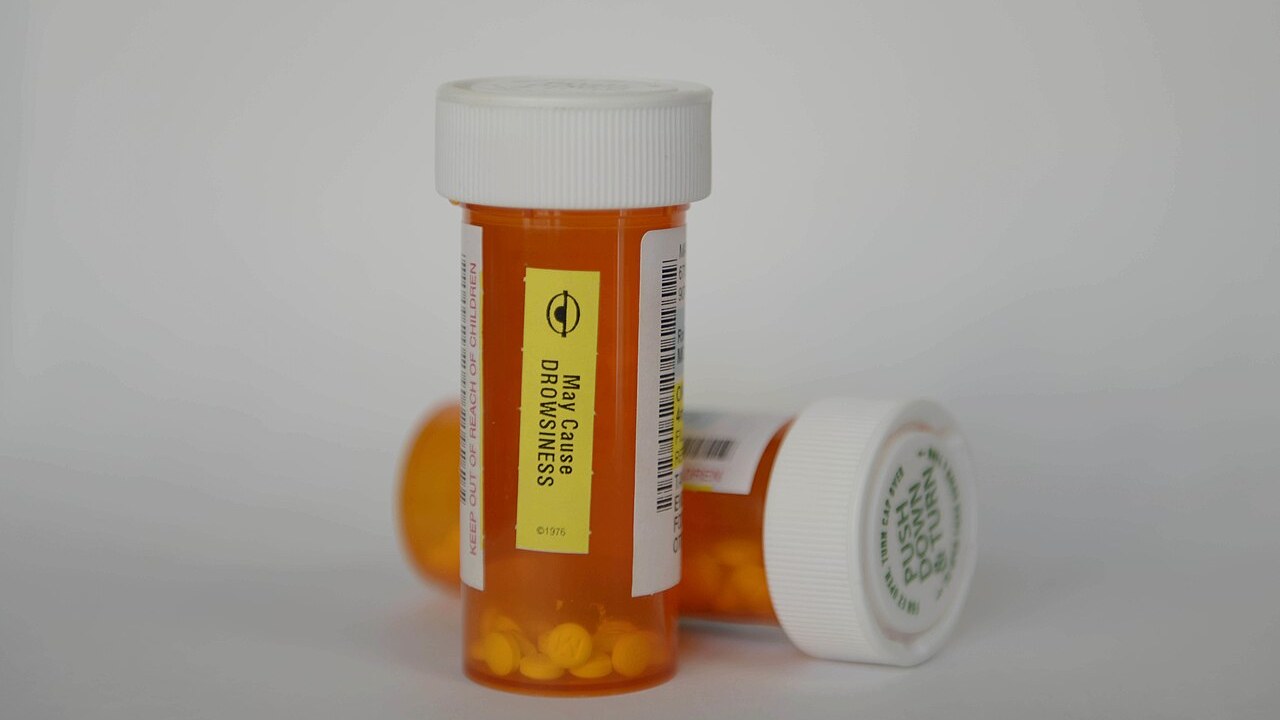
Few federal benefit pages carry a warning about themselves, but Medicare’s description of its Prescription Payment Plan does. The option rearranges when drug bills come due, spreading a member’s out-of-pocket spending across January through December, and Medicare states that the rearranging changes nothing about the total. For anyone who has watched a pharmacy counter total jump in the first weeks of a year, the distinction between smoothing a cost and shrinking it is the whole decision.
Part D cap and payment-plan tracking. The Medicare Cost & Coverage Protection Kit includes the new Part D out-of-pocket cap and a medication and cost tracker for members weighing the Prescription Payment Plan.
Open the cap details and the medication tracker →
The caveat sits in Medicare’s own description of the payment plan
Medicare.gov describes the Medicare Prescription Payment Plan as a payment option that works with existing drug coverage “to help you manage your out-of-pocket costs for drugs covered by your plan by spreading them across the calendar year (January-December),” according to its Part D costs page. The same pages supply the second half of the claim. The payment option, Medicare says, “might help you manage your monthly expenses, but it doesn’t save you money or lower your drug costs.”
Both halves matter, and the program’s pitch only makes sense with both. The plan is a billing schedule layered on top of ordinary Part D coverage. Deductibles, coinsurance and the annual cap on spending are untouched. On that costs page Medicare lists the cap as $2,100 in 2026 and $2,400 in 2027, after which covered Part D drugs carry no further out-of-pocket charge for the rest of the year. The payment plan operates beneath that ceiling, deciding only how the spending up to it is divided into monthly bills.
Joining is voluntary and runs through the drug plan, not through Medicare directly
Medicare’s program overview says participation is voluntary and that all plans offer the option. Anyone with a Medicare drug plan, or a Medicare health plan with drug coverage such as a Medicare Advantage plan that includes prescriptions, can use it. The same page states that there is no cost to participate.
The mechanics, laid out on Medicare’s page on using the payment option, start with the member’s own plan: the member visits the plan’s website or calls it to ask to take part. Once the plan reviews the request, it sends a letter confirming participation and notifies the pharmacy. From then on the member does not pay the pharmacy for covered prescriptions. Instead the plan sends a monthly bill showing the amount owed, the due date and how to pay, while any monthly premium continues separately.
Two exits are spelled out. A member who misses a payment gets a reminder from the plan, and if the bill is still unpaid by the date in that reminder, the member is removed from the payment option. A member can also leave at any time by contacting the plan, and Medicare says leaving does not affect drug coverage or other Medicare benefits. The pharmacy-counter change is a shift in who is billed, not in who is responsible, since Medicare notes the member remains responsible for the costs.
Medicare’s worked examples end at the same annual total with or without the plan
The clearest proof that the plan does not lower costs comes from the arithmetic Medicare publishes on its examples page. In the first example, a member with $525 in monthly drug costs starting in January 2026 has a maximum first-month payment of $175, which is the $2,100 annual cap divided by the 12 months remaining. The February figure is recalculated from the remaining balance plus the new costs, divided by the 11 months left, and the sequence continues until the cap is reached. Medicare’s conclusion for that member is that the annual total is $2,100 both with and without the plan.
A second example, a member with steady $80 monthly costs, ends at $960 either way. A third member who starts in April, after $12 in earlier costs, faces a first payment of $232, which is $2,088 spread over the nine remaining months, and finishes the year at $901. In every case the only thing that moves is the monthly timing: a smaller payment up front and a larger one later, or the reverse.
The people Medicare says are most likely to benefit, and the cutoff it flags
Medicare’s page on what to consider before using the payment option names the member who gains most: someone with high drug costs earlier in the calendar year. A single expensive prescription filled in January can reach hundreds of dollars at the counter, and spreading it removes that spike from one month. The same page lists the situations where the option may not be the best choice: yearly drug costs that are low, costs that are the same every month, or signing up late in the calendar year, after September.
That last caution has a date attached. Today is October 4, so members considering the option now are past the point Medicare flags. With three months left, a remaining balance is divided into very few payments, which erodes the smoothing effect the program exists to provide. Medicare’s own page also leaves the 2027 decision open: the same program and the same cap logic apply in the new calendar year, at the higher $2,400 limit shown on its costs page.
Monthly bills are recalculated from a shrinking balance and a shrinking number of months
The part a member must track is that the monthly payment is not a fixed instalment. Medicare’s examples show the bill each month is the unpaid balance plus any new prescription costs, divided by the months left in the year. A month with an unusually expensive refill raises the next bill, a quiet month lowers it, and the figure drifts upward as December approaches if costs keep arriving. A member joining mid-year inherits costs already incurred, as the April example shows, so the starting amount depends on the member’s own spending history rather than on any published rate.
A second difficulty is that the pharmacy counter no longer signals what is owed. With the payment option active, the member pays nothing at pickup, and the running total lives in the plan’s monthly bill instead. Medicare’s missed-payment rule means a bill paid late can end the arrangement, at which point the member is billed normally for what follows. The decision also interacts with the annual cap: a member who expects to hit the $2,100 limit early may gain from smoothing, while one who will stay far below it may only be adding a bill to manage.
The official route involves no paid help. Members contact their own health or drug plan through the website or the phone number the plan provides, and Medicare states that taking part costs nothing.
Medicare’s own wording is the last word on the question: the option manages monthly expenses, and “it doesn’t save you money or lower your drug costs.”
Tracking a smoothed drug bill against the annual cap
The Prescription Payment Plan leaves the Part D out-of-pocket cap exactly where it was and recalculates the monthly bill from the balance and the months remaining. Members who opt in are left with the practical job of following which prescriptions have counted toward the cap and what the next plan bill should be.
The Medicare Cost & Coverage Protection Kit includes the new Part D out-of-pocket cap and a medication and cost tracker for following drug spending through the year.
Line up the cap and tracker before the next plan bill →
This piece was drafted with AI assistance; the figures and quotations were checked against Medicare.gov’s Part D and Prescription Payment Plan pages.