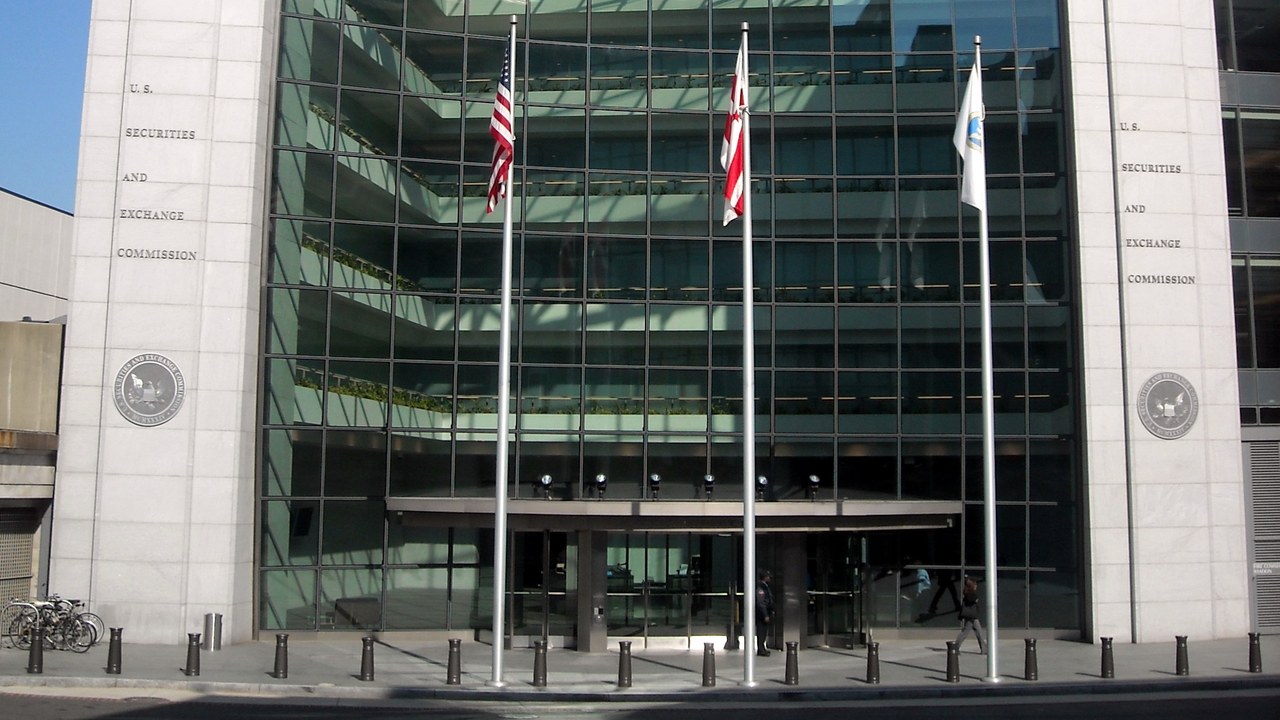
Two men now face federal charges over a fund that allegedly pulled in more than $8.7 million from 35 investors, with veterans singled out as the people to approach. The Securities and Exchange Commission announced its civil case on September 30, 2026, and said federal prosecutors in Manhattan had announced criminal charges over the same conduct that week. Everything in the case is an allegation. Neither man has been convicted of anything, and no court has made a finding against either one.
Christopher Dinelli, Jacob Frankel and the Southern District of New York
The SEC’s September 30 press release names the defendants as Christopher Kenji Dinelli and Jacob David “Kobe” Frankel. It also names two entities, Beyond Alpha Ventures LLC, known as BAV, and Beyond Equity LLC. The SEC’s complaint was filed in the U.S. District Court for the Southern District of New York, and the release says the U.S. Attorney’s Office for that same district announced criminal charges against Dinelli and Frankel in a parallel action covering the same conduct.
The release describes Dinelli as a former naval officer. The criminal charges are the prosecutors’ to describe, and the SEC release carries no count-by-count account of them, so what is known about the criminal side from the sources read for this piece is limited to the fact of the charges and the district that brought them. The SEC’s own side is documented in more detail, and the agency’s release links the complaint itself.
What the SEC says happened to the money
According to the release, the defendants raised more than $8.7 million from 35 investors. The SEC says investors were told their money would be placed in the BAV fund, which was represented to have an options trading strategy and, in some cases, affiliated special purpose vehicles. The agency alleges something different happened to it. Per the release, the defendants diverted money that pre-IPO securities investors had provided into the fund’s brokerage accounts, “where the vast majority of it was lost.”
The release also separates out what the defendants allegedly took for themselves. The complaint alleges Dinelli misappropriated over $1 million and Frankel misappropriated over $340,000. Those two amounts are part of what the 35 investors put in, not extra money on top of it, so they should not be added to the $8.7 million. The $8.7 million is also the total raised, not a loss figure. The release does not say how much the investors lost in total, and it does not describe any process for getting money back.
Why veterans were the target audience
The release’s most specific line about the targeting concerns Dinelli. It says he “targeted veterans as well as individuals who provide medical services to veterans.” The SEC describes the approach as one that leveraged professional relationships. The release does not say how many of the 35 investors were veterans or medical providers, and it does not name any of them.
The promised results were part of the pitch. The SEC says the defendants touted returns of up to 153 percent along with a sprawling client base, and says the fund was in fact consistently losing money. The 153 percent is what the defendants allegedly represented. It was not a return anyone actually received.
The charges and the relief the SEC wants
The SEC’s complaint charges violations of the Securities Act of 1933 and the Securities Exchange Act of 1934. The release applies a third law, the Investment Advisers Act of 1940, to Frankel alone. As relief, the agency is seeking permanent injunctions, disgorgement of ill-gotten gains with prejudgment interest, and civil penalties.
Thomas P. Smith Jr., Associate Director of the SEC’s New York Regional Office, is the official quoted in the release. In it, he says the agency “will hold them accountable” and describes the money as having been used for the defendants’ own greedy and self-serving purposes. That is a statement of the SEC’s position at the outset of the case, not a finding.
Where the case stands as of October 3
The most recent event in the sources is the September 30 release, and the release reports no plea, no trial date and no ruling. In practice, a case at this stage is a pair of accusations. The SEC has to prove its civil claims, and prosecutors have to prove theirs beyond a reasonable doubt, each in its own proceeding. Any later outcome would come from the court record, and nothing in the release speaks to how either defendant will respond to the charges.
The release reports amounts and allegations. It does not report that anyone has been repaid, that a victim fund exists or that investors should expect a claim form.
What the SEC’s pre-IPO investor alert says
The same release points readers to an SEC investor alert on pre-IPO offerings. The alert, dated June 7, 2024, says pre-IPO offerings are not registered with the SEC and that many violate securities laws when they are broadly promoted to the general public. It also says that “unlicensed, unregistered persons commit much of the investment fraud in the United States” and warns against making investment decisions based solely on information from social media platforms or apps. The alert points to a free tool on Investor.gov for checking whether a seller is registered or licensed, and to Help.sec.gov for reporting suspected scams or asking questions about investments, accounts or financial professionals.
The Beyond Alpha case is the SEC’s own illustration of the warning. In the SEC’s account, money from pre-IPO securities investors went to a fund presented as an options strategy, and the vast majority of what was diverted to its brokerage accounts was lost, while the pitch promised returns of up to 153 percent.
Records that outlast a press release
The SEC’s Beyond Alpha announcement describes charges against two men and says nothing about a claims process, which leaves the paper trail with whoever holds it. Statements, messages and transfer records tied to an investment pitch are the material any later report to the SEC or a court would draw on.
The Senior Fraud Defense & First-Hour Recovery Kit is a 9-page kit with a first-hour recovery plan and a fraud evidence and report log for keeping those records in one place.
Start a fraud evidence and report log with The Senior Fraud Defense & First-Hour Recovery Kit →
This piece was drafted with AI assistance; every allegation was checked against the SEC’s September 30 release and the agency’s June 2024 pre-IPO investor alert.