
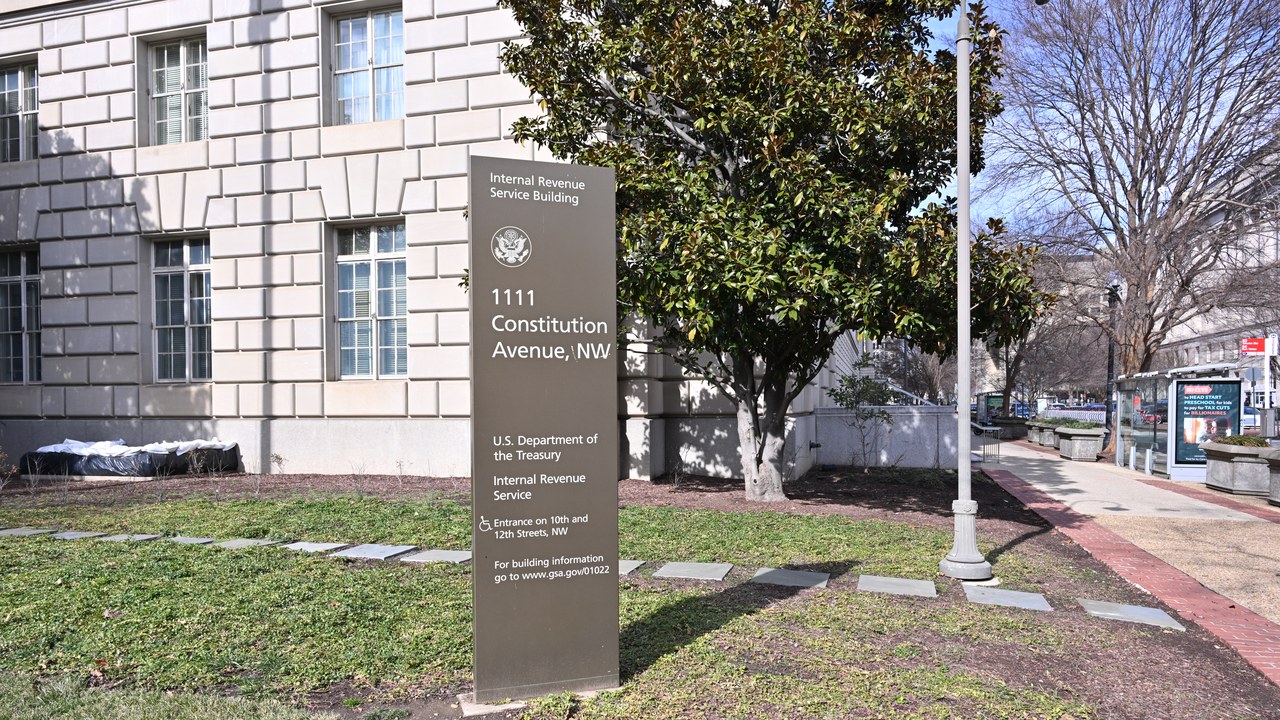
The IRS says the interest rate on individual tax underpayments and overpayments will hold at 7% a year, compounded daily, for the fourth quarter of 2026, October through December, unchanged from the rate that has applied all year. The rate, announced Aug. 21 in IR-2026-98, means a tax bill left unpaid past its due date keeps growing at that same 7% clip rather than resetting lower for the final months of the year. Corporate rates move differently in the same announcement, holding at 6% for standard overpayments and rising to 9% for large corporate underpayments.
The letter that comes after a balance grows: Interest at 7% keeps compounding either way, and The IRS Refund Recovery Kit’s notice decoder helps sort that letter from a refund-related one arriving the same time of year. Run this IRS letter through the notice decoder →
What the IRS Announced for Q4
The IRS’s Aug. 21 release, IR-2026-98, confirmed that the interest rate for individual overpayments and underpayments stays at 7% per year for the quarter beginning Oct. 1 and running through Dec. 31, 2026, matching the rate that has applied since earlier in the year. Corporate taxpayers see a split rate in the same announcement: 6% on standard corporate overpayments, 4.5% on the portion of a corporate overpayment above $10,000, and 9% on large corporate underpayments, all effective the same Oct. 1 start date. The announcement is the fourth such quarterly notice this year, and each of the previous three set the same 7% individual rate, putting 2026 on track to close with the rate unchanged from where it started.
How the Rate Is Set, and Why It’s Stayed at 7%
The IRS’s quarterly interest rate page explains the formula behind the number: the individual underpayment and overpayment rate is the federal short-term rate plus 3 percentage points, reset every quarter under Internal Revenue Code Section 6621. Because the federal short-term rate the formula relies on has stayed in a narrow range through 2026, the 7% figure has now held for several consecutive quarters rather than moving with each new announcement. Corporate overpayments use a smaller 2-point add-on above the same short-term rate for the first $10,000, which is why the corporate figure sits a full percentage point below the individual rate even though both start from the identical base. The same formula applies to a refund the IRS owes a taxpayer, not just a balance a taxpayer owes the IRS, so a delayed refund also accrues interest at the same 7% rate once it passes a statutory grace period measured from the filing date or the return’s due date, whichever is later.
What 7%, Compounded Daily, Actually Costs
The same IRS page notes that interest under Section 6622 compounds daily, meaning each day’s charge is calculated on the previous day’s balance plus the interest already added, not on the original tax bill alone. On a $5,000 unpaid balance, that pace adds up to roughly $350 over a full year at the 7% rate, with daily compounding meaning the exact total creeps slightly higher than a flat calculation would show, since interest accrues on interest already added earlier in the year. The rate applies for as long as a balance goes unpaid, including into a later quarter if a bill carries into 2027, at whatever new rate the IRS announces then. That daily-compounding detail also means paying even part of a balance sooner rather than later reduces the base the next day’s interest is calculated on, so a partial payment made now is not simply a fraction of the total due; it also slows how quickly the remaining balance keeps growing on its own.
An Alternative to Letting Interest Run
The IRS’s payment plans page lists a long-term installment agreement that can be set up online for $29 with direct debit, or $178 if arranged by phone, mail or in person, a one-time setup cost separate from the interest that keeps accruing on the underlying balance either way. Setting up a payment plan does not stop the 7% rate from running, but it does convert an open-ended balance into a schedule with a defined monthly payment, which can matter for a taxpayer trying to avoid additional penalties that apply on top of interest when a balance goes unaddressed. The rate itself, whether a taxpayer is on a payment plan or not, is set the same way every quarter and applies uniformly to whichever unpaid dollars remain on Dec. 31. A shorter-term plan, for a taxpayer who expects to pay off a balance within a few months, is also available and, unlike the long-term agreement, does not carry the same setup fee.
Where the Rate Has Been, and Where It Could Go
The IRS’s quarterly rate page shows the individual underpayment rate has not moved since the federal short-term rate it is built on last shifted, and a change in that underlying rate is what would eventually push the 7% figure up or down in a future quarter. The agency does not preview a coming quarter’s rate ahead of its own announcement, so a taxpayer carrying a balance into 2027 cannot know the exact next-quarter figure until the IRS publishes it, typically a few months ahead of the quarter it covers.
Two Kinds of IRS Paperwork at Once
A 7% rate that resets every quarter is simple to state but easy to lose track of once a balance carries across a filing season, especially for a household that is also waiting on a separate refund or notice. Keeping the two threads straight, a balance still accruing interest, and something separate still pending elsewhere, is the part a rate announcement doesn’t cover.
The IRS Refund Recovery Kit pairs the notice decoder with a refund status tracker spreadsheet, letting a taxpayer track an interest-bearing balance’s paperwork alongside anything still pending on the refund side.
See The IRS Refund Recovery Kit.
This article was produced with AI assistance and reviewed by a human editor before it was published.


