
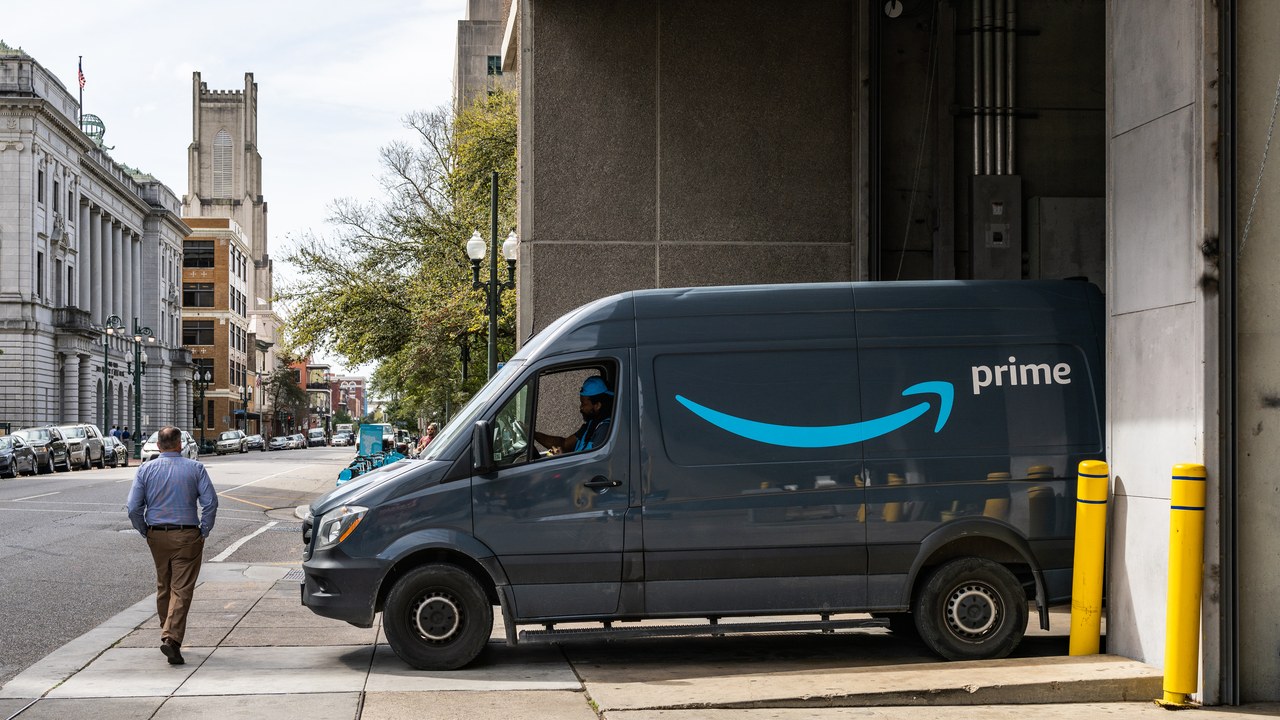
Amazon’s Prime Big Deal Days will run October 6 and 7, 2026, starting at 12:01 a.m. Pacific time, the company announced, with the sale open only to shoppers paying for a Prime membership. Prime itself continues to cost $14.99 a month or $139 a year for a standard membership, the same price Amazon charged for the event a year earlier and the price that now applies to every shopper who wants early access to the two-day discounts. The two-day sale gives Prime members a second major discount window each year, arriving roughly three months after Amazon’s summer Prime Day and ahead of the holiday shopping season. Amazon has run the October event every year since introducing it, and this year’s version keeps the same basic shape: a fixed 48-hour window, restricted to paying members, timed to land before Black Friday and Cyber Monday rather than compete with them.
Amazon’s Own October Sale Dates and Scope
Amazon’s official announcement confirmed the 48-hour event begins at 12:01 a.m. Pacific time on October 6 and runs through October 7, spanning more than 35 product categories in 22 countries. The company said new deals drop three separate times a day, at midnight, 8 a.m. and 1 p.m. Pacific, rather than all at once, a structure meant to keep shoppers checking back throughout the two days instead of buying everything in one early rush. Only Prime members can shop the discounted prices during the event itself, which is the mechanism that ties the sale directly to the cost of the membership. Amazon’s release frames the staggered deal drops as a way to surface different categories throughout the two days rather than exhausting the best offers in the first few hours, a structure the company has used in its prior sales events as well.
A membership renewal that’s easy to notice, next to bills that aren’t: A Prime membership bill shows up on a card statement every month or year without fail, while property-tax and utility relief has to be tracked down and claimed by its own separate deadline. See the five kinds of property-tax relief in The Senior Property Tax & Home-Cost Relief Kit.
What Prime Membership Costs to Take Part
Amazon’s announcement lists $14.99 a month or $139 a year as the standard Prime price, with discounted tiers of $7.49 a month or $69 a year for young adults and $6.99 a month for customers who qualify based on receiving certain government-assistance benefits. Those lower tiers exist specifically because Amazon restricts the Big Deal Days discounts to Prime members only, so a shopper without any Prime membership has no way to unlock the two-day pricing regardless of income, unless they sign up for one of the paid tiers first. The membership fee itself functions as the entry ticket to every deal Amazon runs across the event, on top of whatever a shopper spends on the items themselves. A household weighing whether the membership is worth it has to measure that fee not just against Big Deal Days but against every other Prime benefit bundled with it, including shipping, video and music, since the fee is charged once and covers all of them together rather than being priced separately for each one.
How This Compares to Last October’s Sale
Amazon’s announcement for the 2025 event, which ran October 7 and 8 that year, listed the identical $14.99-a-month and $139-a-year Prime pricing, meaning the membership cost required to shop this October’s sale has not moved since last year’s edition. The dates shifted by a day, from a Tuesday-Wednesday start last year to a Tuesday-Wednesday start again this year one week earlier on the calendar, but the underlying structure, a 48-hour window open only to paying members, carried over unchanged. Shoppers who sat out last year’s event because of the membership cost are facing the exact same price barrier to this one, since neither the standard tier nor the discounted young-adult and benefits-based tiers Amazon lists have changed in the year between the two announcements. A household budgeting for the membership this fall can rely on the same figure it used last October rather than checking for a fresh increase.
From a One-Day Trial to Two Major Sales a Year
Amazon’s own account of Prime Day’s history traces the format back to July 15, 2015, when the first event ran 24 hours in nine countries and members ordered more than 34.4 million items. By 2023, members purchased more than 375 million items worldwide during the summer event and saved more than $2.5 billion, according to the same company page, illustrating how far the format has grown since its first year, when total orders across all nine countries fell well short of what a single strong day can now generate. Prime Big Deal Days itself started later as a separate October addition, meaning Amazon now runs two major sitewide sales a year rather than the single summer event Prime members had for the format’s first several years. That expansion turned Prime membership into a subscription that pays out through two scheduled shopping windows annually instead of one, even as the underlying monthly and annual price of the membership itself has stayed fixed since Amazon last raised it.
A Membership Fee and the Household Costs Sitting Next to It
A Prime membership renews automatically at its usual price whether or not a shopper takes part in Big Deal Days, and that steady monthly or annual charge sits in the same household budget as property-tax bills and home-energy costs that run on their own filing calendars. Those calendars don’t send a reminder the way a membership renewal charge does, so relief that has to be requested can slip past unnoticed.
The Senior Property Tax & Home-Cost Relief Kit lists the five kinds of property-tax relief and the circuit-breaker credit that includes renters, alongside separate help with heating, cooling and home-repair costs.
See the application log and renewal calendar in The Senior Property Tax & Home-Cost Relief Kit.
This article was produced with AI assistance and reviewed by a human editor. Dates and prices are linked to Amazon’s own announcements.


