
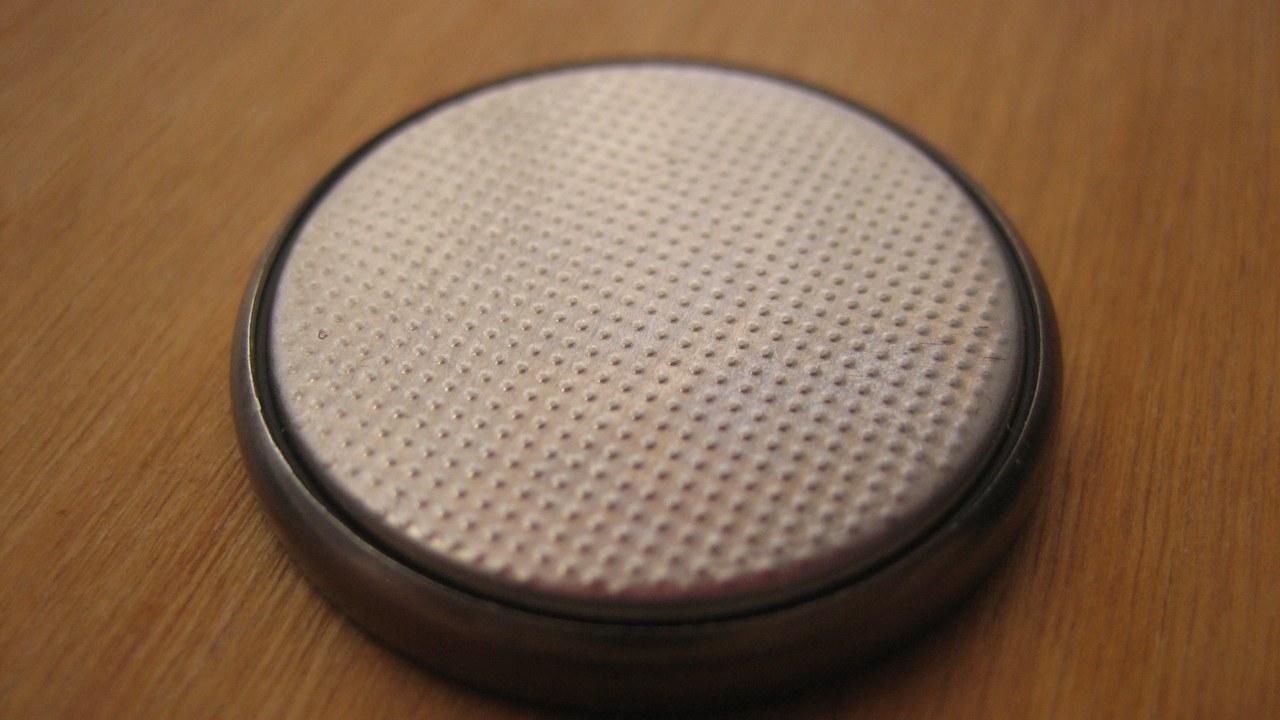
A federal safety standard written specifically to keep small button batteries out of children’s reach is the reason about 43,700 light-up toys sold by ABC Trading no longer meet CPSC requirements, and the company is refunding every buyer in full rather than offering a repair kit. The commission says children can access the battery compartment on the toys, creating a swallowing hazard the mandatory toy standard is designed to prevent. No repair option is offered because the compartment design itself, not a manufacturing defect in an individual unit, is what fails the standard.
The Battery-Access Standard Behind the Recall
The commission’s recall notice, issued September 24, 2026, says the light-up toys violate the mandatory federal standard governing button and coin cell batteries in consumer products, a rule meant to keep the battery compartment secured well enough that a child cannot open it without a tool such as a screwdriver. About 43,674 of the toys are covered by the recall. The standard applies broadly to consumer products that use button or coin cell batteries, not only toys, though toys marketed directly to young children draw some of its strictest enforcement, since it is that age group the compartment fastener is designed to keep out.
Four dates, one that actually matters: A recall notice like this one carries an announcement date, a sale window and sometimes a refund cutoff, and only one of those is the date that costs a household money if it slips by unnoticed. See the four-date rule in The Settlement & Refund Recovery System.
Not ABC Trading’s First Button-Battery Recall This Year
ABC Trading recalled other button-battery products in 2026 beyond the light-up toys, including WSDZ light-up glasses and a separate line of children’s toys, both cited for the same standard violation. Battery-ingestion recalls are not limited to one company this year; the commission also pulled light-up toys made by ZMC Group for the same reason. A company facing repeated recalls under the same standard typically works with the commission on each product line separately, since a violation on one toy does not automatically extend to another unless the same battery-compartment design is shared across product lines.
What the Full Refund Covers
The remedy is a full refund of the purchase price rather than a replacement toy or a battery-compartment fix, and the recall requires buyers to submit a photo showing the toy has been disposed of before the refund is issued. That destruction step is standard on recalls where the commission wants the hazardous unit permanently out of circulation rather than resold or passed along to another child. A full refund, rather than store credit, is the commission’s default remedy on ingestion-hazard toy recalls, since giving the toy to another family or reselling it would put the same unfixable compartment design in front of a different child.
Why Ingestion, Not Fire, Drives This Recall
Unlike the lithium-ion battery packs behind several other September 2026 recalls, the hazard here is a swallowed button cell rather than a fire or burn. A button battery lodged in a child’s throat or esophagus can cause serious internal injury within hours, which is why the mandatory standard focuses on how securely the compartment is fastened rather than on the battery’s charging behavior. The distinction matters for parents comparing recall notices: a fire-and-burn recall like several others issued the same week centers on the battery cell itself, while an ingestion recall like this one centers on whether a small child can physically reach it, regardless of whether the battery is functioning normally.
A Recall Measured in Compartments, Not Charges
Because the hazard is mechanical rather than electrical, the recall does not describe any reports of overheating, sparking or fire tied to the toys, unlike the lithium-ion battery recalls announced elsewhere in September 2026. The commission’s notice instead centers entirely on whether the battery door resists the kind of force a young child can apply, a test the toys are described as failing under the applicable standard.
Identifying a Recalled Toy at Home
The commission’s notice describes the recalled toys by their light-up feature and battery-compartment design rather than by a single product name, since ABC Trading sold the toys under more than one marketing listing on Amazon. A household with several light-up toys in a toy bin can compare each one against the images in the commission’s notice to see whether the battery door is secured with a screw or another tool-required fastener; toys where the compartment opens without one are the type of design the recall targets. The distinction between a toy that requires a tool and one that opens by hand or a light squeeze is the entire basis of the mandatory standard, and it is also the detail most likely to separate a recalled toy from a similar-looking one still legally on shelves. The notice does not name a specific age range printed on the toy’s original packaging, only that the products are marketed as children’s toys, which is the category the button-battery standard treats as carrying the highest ingestion risk.
The commission’s September 24, 2026 recall notice remains the current and only source for the refund process described here.
A Toy Refund and a Household’s Other Open Claims
A single toy refund is easy to track, but ABC Trading’s recall lands the same week as several other CPSC refund and replacement notices, and a household with more than one recalled product in the house can lose the thread of which refund still needs a disposal photo mailed in.
The Settlement & Refund Recovery System’s claim log and payment tracker hold that kind of detail per claim, alongside the scam-proof rules for telling a legitimate refund request from an imitation.
Look up the claim log in The Settlement & Refund Recovery System.
This article was produced with AI assistance and a human editor reviewed it before publication.


