
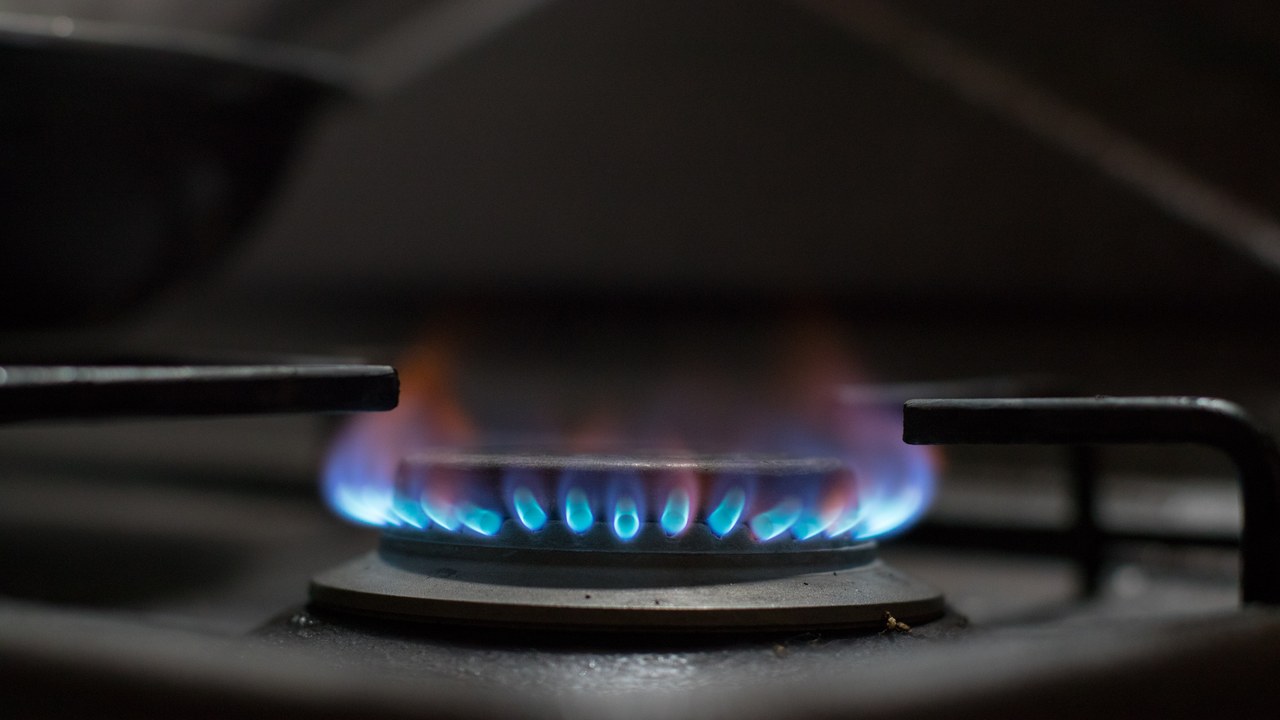
Homes that heat with natural gas are getting a cautiously encouraging forecast ahead of the coldest months. The Energy Information Administration’s Short-Term Energy Outlook, released September 9, projects that the nation’s natural gas storage will enter winter about 5 percent above the five-year average, a cushion that historically has helped keep heating costs in check. The figure is a forecast rather than a finished count, built from a model the agency updates monthly as new data arrives.
The Short-Term Energy Outlook’s Oct. 31 Storage Forecast
The Energy Information Administration’s Short-Term Energy Outlook natural gas report forecasts that working gas in underground storage will reach 3,969 billion cubic feet by October 31, 2026, the traditional date by which utilities finish filling storage ahead of the winter withdrawal season. That level would sit 5 percent above the 2021-2025 average for the same date, the baseline the agency uses to judge whether the country is entering winter with an ample, typical or thin cushion of stored gas. The report, published September 9 and based on a forecast the agency finished compiling September 3, is the government’s most current outlook on the question. Storage levels typically peak right around the end of October, just before utilities begin drawing gas back out of the ground to meet winter heating demand, which is why the agency treats October 31 as the benchmark date for judging how well-supplied the country is heading into the cold season.
Inside the kit: The Senior Property Tax & Home-Cost Relief Kit lays out help with heating, cooling and home-repair costs alongside an application log for tracking which relief programs are still open before the heating season starts. Open The Senior Property Tax & Home-Cost Relief Kit to line it up against a heating budget.
A Forecast, Not a Final Storage Count
The 5 percent surplus is a projection built from current injection rates, weather assumptions and production trends, not a number already on the books. The agency’s own Short-Term Energy Outlook landing page confirms the September report as the current edition, with a note that the next edition, due October 6, will fold in a dedicated Winter Fuels Outlook covering how households that heat with gas, oil or electricity are each expected to fare this season. Storage forecasts of this kind can and do shift from one monthly report to the next as weather and demand data come in, so the October 6 update will be the next chance to confirm whether the country is still on pace for the 5 percent cushion.
How the Surplus Varies by Region
The national figure blends regional pictures that differ considerably. Within the same September outlook, the Mountain region is forecast to enter winter with storage about 21 percent above its five-year average and the Pacific region about 10 percent above, while the Midwest is projected at roughly 6 percent above and the South Central region at about 4 percent above. The East, by contrast, is expected to enter winter with storage about equal to its own five-year average, meaning the region carries essentially none of the cushion the national number implies. A household’s actual exposure to a tight winter gas market depends heavily on which of these regions its utility draws from, not on the 5 percent national figure alone. A household in the Mountain region, in other words, is entering winter with a considerably larger cushion behind its gas supply than a household served by an East Coast utility, even though both fall under the same reassuring 5 percent national headline.
What the Outlook Means for Natural Gas Prices
The same September report forecasts the benchmark Henry Hub natural gas price at an average of $3.43 per million British thermal units for all of 2026, easing to $3.28 in 2027. Ample storage headed into winter is one of the factors that can keep a price forecast like that from ratcheting higher, since utilities with fuller tanks are less likely to bid aggressively for gas during a cold snap. Natural gas prices still depend heavily on how cold the winter actually turns out to be, something no September forecast can pin down with certainty. A household on a variable-rate gas plan, where the commodity cost passes through directly to the monthly bill, is more exposed to a price move than one on a fixed plan locked in earlier in the year, which is part of why the same national outlook can mean different things for two households heating with the same fuel.
What Comes Next From the Energy Information Administration
The agency’s own release schedule confirms the next edition of the Short-Term Energy Outlook, paired with its dedicated Winter Fuels Outlook, is due October 6, 2026, with a further update set for November 10. Those upcoming reports will show whether the current 5 percent storage cushion holds up as the withdrawal season gets underway, and they remain the most current federal word on how much fuel the country has banked before the cold weather arrives. The Winter Fuels Outlook in particular is built to answer a narrower question than the monthly storage report alone: how much a typical household using each major heating fuel, gas, electricity, heating oil or propane, is expected to spend over the full winter season, broken out by region.
Storage forecasts of this kind have moved in both directions before. A colder-than-expected start to the withdrawal season, a surge in demand for liquefied natural gas exports, or a production slowdown can each erode a projected cushion faster than a mild fall would preserve it, which is part of why the agency revises its outlook every month rather than issuing a single seasonal forecast each fall and leaving it unchanged.
A Milder Heating Outlook and the Home Costs It Doesn’t Cover
A 5 percent storage cushion is genuinely good news for a gas-heated home, but a forecast about the national fuel supply says nothing about a specific property-tax bill or an aging furnace that still needs a repair before the first cold snap. Those costs keep coming due on their own separate calendar no matter how full the country’s gas tanks are.
The Senior Property Tax & Home-Cost Relief Kit pairs the five kinds of property-tax relief with help for heating, cooling and home-repair costs, plus a renewal calendar for tracking filing windows year to year.
See the heating and home-repair help in The Senior Property Tax & Home-Cost Relief Kit.
This article was produced with AI assistance and reviewed by a human editor. Forecast figures link to the federal outlook that produced them.


