
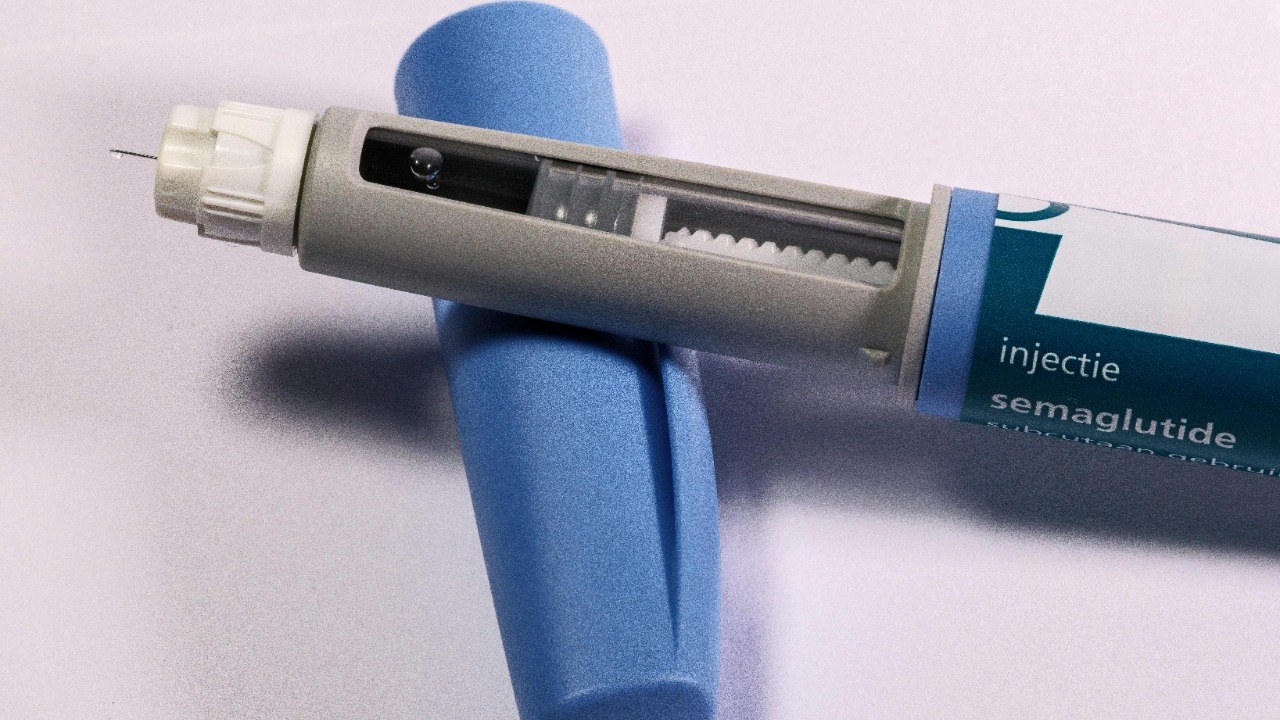
Rising use of GLP-1 weight-loss and diabetes drugs is adding a full percentage point to the growth of employer health benefit costs for 2027, according to Mercer’s annual survey of employer-sponsored health plans. Employers overall expect total health benefit costs to rise 8.2 percent next year, and Mercer’s survey attributes one point of that increase specifically to GLP-1 utilization. For a company building its 2027 health benefit budget, that single category of medication now accounts for a measurable share of why costs are climbing.
GLP-1 drugs account for a full percentage point of 2027’s cost growth
Mercer’s survey, published August 31, found that rising GLP-1 utilization “accounts for a full percentage point of the overall cost growth for 2027,” according to Mercer’s report on the survey results. GLP-1 drugs, originally developed to treat type 2 diabetes and increasingly prescribed for weight loss, have become one of the fastest-growing categories of pharmacy spending for employer health plans, priced over $1,000 a month before rebates, according to a separate Mercer analysis of GLP-1 cost drivers. Demand is expanding beyond weight loss too, as more people being treated for type 2 diabetes seek the same drugs for their blood-sugar and weight benefits together, which pushes utilization, and cost, higher on both fronts at once.
Inside the kit: a medication and cost tracker and the prior-authorization appeal steps are built for tracking exactly this kind of rising drug cost, on the Medicare side of coverage a household eventually reaches. Open The Medicare Cost & Coverage Protection Kit to see the tracker and the appeal steps side by side.
Overall health benefit costs are projected to rise 8.2 percent
Mercer’s survey projects employer health benefit costs will rise 8.2 percent in 2027, up from an estimated 6.7 percent increase in 2026, a pace the survey describes as the highest employers have projected since 2003. Without any changes to plan design or cost management, employers estimate the increase would reach 11 percent instead, meaning the steps employers plan to take are projected to hold nearly three percentage points of growth in check. Set against that backdrop, GLP-1 drugs alone account for roughly one-eighth of the entire projected 8.2 percent increase.
How employers are trying to manage GLP-1 spending specifically
Beyond broad cost-cutting, employers are turning to tools aimed directly at GLP-1 spending. Pharmacy benefit managers are increasingly pairing GLP-1 prior authorizations with mandatory lifestyle-management programs meant to improve outcomes and control costs, and some employers are narrowing which pharmacy vendors can dispense the drugs at all, according to Mercer’s analysis. Some pharmacy benefit managers are also restricting which specific GLP-1 brands they will cover at all, steering members toward whichever product carries a better negotiated price. About 77 percent of large employers say managing their overall GLP-1 costs is extremely or very important, the same analysis found.
Some employers are steering members toward higher-performing providers
Separately from GLP-1-specific measures, 12 percent of large employers plan to offer variable-copay plans in 2027 that charge members less when they choose higher-quality, better-performing providers, rising to 18 percent among employers with 20,000 or more employees, according to Mercer’s survey. That kind of plan design is one more tool inside the broader 59 percent of employers’ cost-cutting push, distinct from the GLP-1-specific formulary and prior-authorization changes described above, and it shows employers reaching for more than one lever at once to hold 2027’s total increase down.
How employers are managing the broader 2027 increase
Fifty-nine percent of employers surveyed by Mercer said they plan some form of cost-cutting change for 2027, including higher deductibles, as they try to hold the overall increase closer to 8.2 percent than the 11 percent it would reach without any changes. A separate Mercer survey of chief financial officers, published earlier in 2026, found that only about one in four said their organization had absorbed the past two years of healthcare cost increases without any effect on the business, and the share of finance leaders naming healthcare a top-three concern rose from 19 percent in 2024 to 33 percent in 2026.
How a rising employer benefit cost shows up in a paycheck
Mercer’s survey covers what employers themselves pay, but employers facing an 8.2 percent cost increase often shift part of that cost onto employees through higher premiums, deductibles or copays. A household covered by an employer plan may not see the words “GLP-1” on a benefits statement, but the percentage point Mercer traces to those drugs is now a measurable piece of why the total plan costs more heading into 2027. GLP-1 drugs commonly cost $1,000 to $1,500 a month before rebates, with employers typically covering 70 to 100 percent of that cost, according to the same CFO survey, which is part of why the category shows up so clearly in Mercer’s 2027 numbers even before any cost is passed on to an employee’s own paycheck.
None of this is unique to any one industry. Mercer’s annual survey covers employer health plans across sectors nationwide, and the 8.2 percent projection and the GLP-1 percentage point sit inside that broad average rather than describing any single company’s plan. An individual employer’s own 2027 increase, and how much of it traces back to GLP-1 drugs specifically, depends on how many of its employees are prescribed the medications and how generously that employer’s plan currently covers them.
Employer health costs climb, and the GLP-1 share of that bill is new
An 8.2 percent projected increase in employer health benefit costs for 2027, with a full percentage point tied specifically to GLP-1 drugs, is the kind of shift a benefits statement rarely explains in plain terms. The same gap in explanation shows up again once an employee eventually moves from employer coverage onto Medicare.
The Medicare Cost & Coverage Protection Kit includes a medication and cost tracker and the prior-authorization appeal steps, tools built for tracking drug costs and disputed denials once a household reaches that later stage of coverage.
Look up the medication and cost tracker in The Medicare Cost & Coverage Protection Kit.
This article was produced with AI assistance and checked by a human editor against the source cited.


