
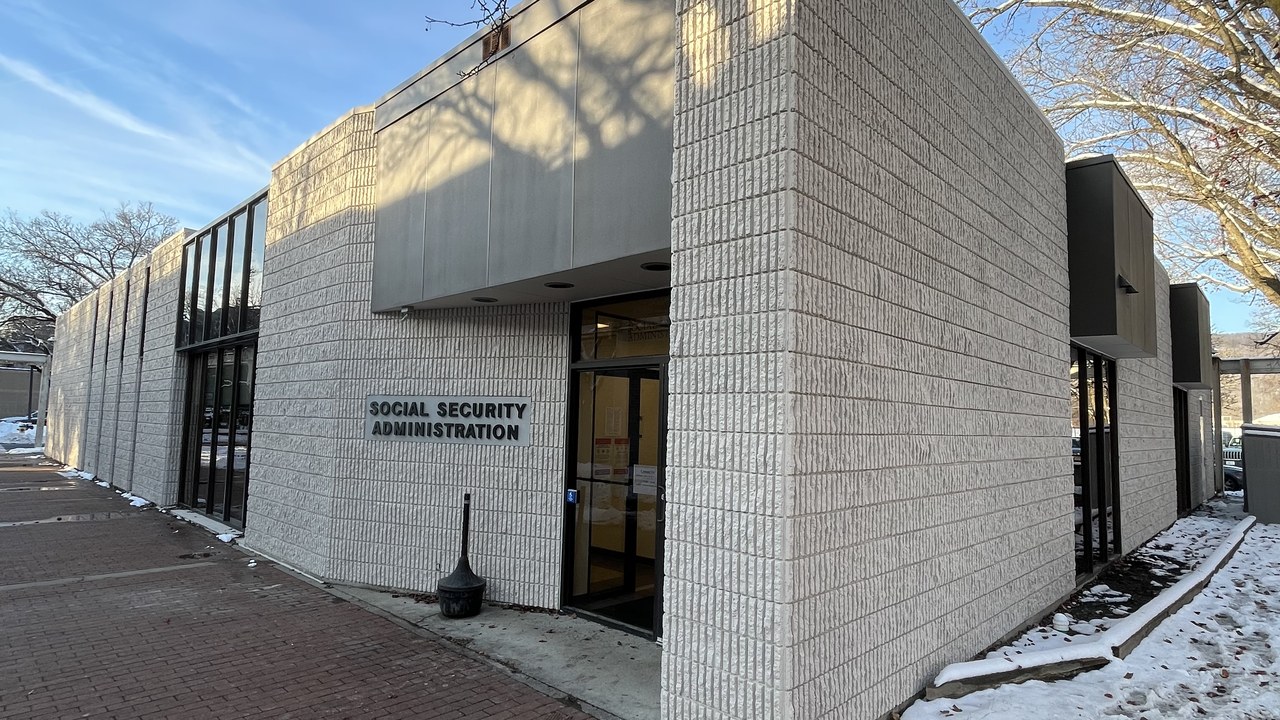
A teenager stopped attending high school in January 2023. The Social Security Administration did not catch the change for five months, continuing to send a student benefit check through June and creating a $9,330 overpayment by the time the agency finally closed the case. The example surfaced in a September 23, 2026 report from the agency’s Office of the Inspector General, which examined how reliably Social Security tracks school enrollment for the teenagers who receive benefits as the children of retired, disabled or deceased workers.
Five Months Between Leaving Class and the Payment Stopping
The audit, titled Payments to Student Beneficiaries, traced the case to a beneficiary whose school attendance record went stale inside the agency’s payment system. Benefits for an 18- or 19-year-old student are supposed to stop the month enrollment ends, but this record kept generating payments from January through June 2023, five monthly checks issued after eligibility had already ended. By the time Social Security identified the gap, it had paid the student $9,330 more than the rules allowed.
Nothing in the report suggests the family hid the change or delayed reporting it. The audit instead describes a processing gap: the information needed to stop the payment either arrived late or was not acted on once it did, and the monthly deposits kept going out on autopilot until someone inside the agency finally reviewed the file.
The notice that follows an error like this: when Social Security catches an overpayment months after it started, the case ends with a demand letter naming a balance and a withholding rate, not the form that pauses collection while a beneficiary disputes it. The Social Security Check Protection Kit names the forms that can pause that clock.
The Full-Time Student Rule Behind the Payment
Social Security pays a monthly benefit to the child of a retired, disabled or deceased worker past age 18 only when that child is unmarried and enrolled full time in an elementary or secondary school, a threshold the agency’s own internal policy manual instructs staff to verify. Eligibility is supposed to end the moment full-time attendance stops, whether a student withdraws, graduates or drops below full-time status.
Confirming that status is not something Social Security does alone. The agency’s own guidance for school officials describes how a school is expected to report a student’s enrollment and any change to it, information the payment system is supposed to use to open and close a benefit on schedule. The audit’s finding on this case shows how much room can open between that design and how the system behaves once a school year turns unpredictable.
A Single File Inside a Broader Review
Auditors selected a random sample of 100 files from the 521,393 student beneficiaries Social Security paid between January 2022 and December 2024, and found 71 of the sample cases handled correctly. The other 29 carried either a payment error or missing documentation, with $49,447 in confirmed overpayments and another $93,466 in payments the agency could not support with paperwork on file. The $9,330 case was one entry inside that sample, an amount close to a fifth of the total overpayments auditors traced to the 29 flawed files.
The sample is small next to the population it represents, but auditors use it to project how often a given error type shows up across every file the agency handles. A five-month lag between a status change and a stopped payment, the pattern behind this teenager’s case, is one of several ways the review found a file drifting out of sync with a student’s actual circumstances.
Some of the 29 flawed files involved the opposite problem, a payment that stopped too soon rather than too late, which shows the errors auditors found run in both directions rather than only toward the government overpaying.
What Happens After an Overpayment Notice Goes Out
Once Social Security determines a beneficiary was overpaid, the agency can begin withholding future benefit payments until the balance is repaid, unless the beneficiary requests a waiver or an appeal before collection starts. A beneficiary who has already left the program, as this teenager had by June 2023, instead receives a direct repayment demand rather than a reduced monthly check. Whether that demand was paid, appealed or forgiven is not something the audit reports for this particular case, since its purpose was to measure how often these errors occur rather than track how each one was resolved afterward.
A demand this size lands well after the payments themselves have already been spent on ordinary household costs, which is part of why the audit treats the five-month lag as the real defect rather than the dollar total alone.
The Audit’s Verdict and Who Signed Off on Fixing It
The inspector general’s report went to Commissioner Frank Bisignano, and Social Security agreed to implement the recommendations attached to it, including tighter checks on school enrollment data before payments continue past a student’s 18th birthday. As of June 2026, the agency had corrected only 3 of the 23 cases the audit flagged for follow-up, with the remaining files still pending.
The $9,330 overpayment traced to a single missed status change is the kind of error the report’s broader estimate, roughly $211 million paid improperly to about 89,000 student beneficiaries nationwide over the same three-year span, suggests is far from isolated.
An Overpayment Notice That Arrives Without a Map
A demand letter for an overpayment like this one states a balance and a due date, but it does not walk a beneficiary through which SSA form pauses withholding, which one requests a waiver, or which one disputes the amount outright. That gap between what the letter says and what a beneficiary is supposed to do next is where a case like this one turns into months of confusion.
The Social Security Check Protection Kit lists the SSA-561, SSA-632 and SSA-634 forms used to pause or dispute collection, alongside an overpayment response worksheet built for reading a notice like the one this case would have generated.
See the form-by-form breakdown in The Social Security Check Protection Kit.
This article was produced with AI assistance and reviewed by a human editor. Every figure links back to the audit that reported it.


