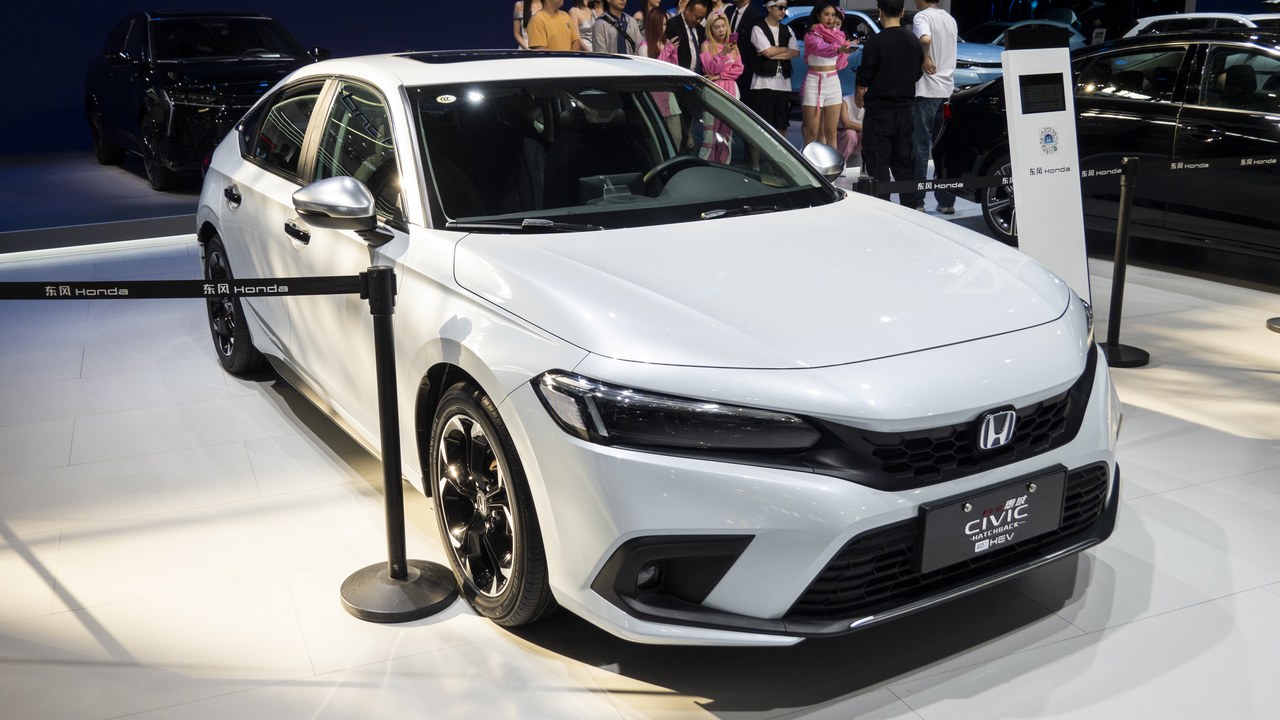
Twenty-two thousand dollars separated the cheapest major segment of the new-vehicle market from the average buyer’s bill in August. A new compact car sold for $27,997 on average during the month, while the typical new vehicle sold for $50,089 — a gap of roughly $22,000 between the least expensive mainstream segment and the market as a whole.
The distance between those two numbers is not new, but it is a useful measure of how wide the new-vehicle market has become. Shoppers choosing a compact car are not just picking a smaller vehicle; they are opting out of tens of thousands of dollars most other segments now carry.
The gap between a compact car and the industry average
A compact car averaged $27,997 in August, Kelley Blue Book reported, against an industry-wide average transaction price of $50,089 for the same month. Subtracting one figure from the other puts the gap at $22,092 — close enough to round to “about $22,000,” the distance between the cheapest mainstream segment Kelley Blue Book tracks and the market average that includes trucks, midsize SUVs and everything in between. That overall average itself was up 1.9% from a year earlier, while average sticker prices before any discount, or MSRP, rose to $51,852 industry-wide — a reminder that the $22,000 gap is measured against a market that kept climbing, not one that stood still.
The lowest vehicle price in the lineup is not the whole budget: A compact car undercuts the industry average by tens of thousands of dollars, but the household it shares a roof with still carries property taxes and utility bills that a cheaper car payment does not touch. Help with heating and cooling costs in The Senior Property Tax & Home-Cost Relief Kit addresses one of those costs directly.
Why even the cheapest segment keeps climbing
The gap has not been closing from the bottom. Compact cars rose 2.9% year over year in August, the fastest percentage increase among the top five segments Kelley Blue Book tracks — faster than midsize SUVs, compact SUVs or full-size pickup trucks. Erin Keating, Cox Automotive’s executive analyst, tied that pattern to household finances rather than the segment losing its appeal: many buyers are under financial pressure that is “steering more shoppers toward lower price points,” she said, even as prices within that lower tier keep rising alongside everything else. Keating also noted that new-vehicle price increases overall have stayed below the roughly 3% long-term average even as they resumed climbing in 2026, which means the compact-car segment’s 2.9% gain actually outpaced the market’s typical yearly pace despite starting from the lowest base of any segment tracked. That climb shows up in a separate government measure too: the Bureau of Labor Statistics’ new-vehicles index rose 0.6% over the year through August, according to its detailed CPI tables, confirming the direction of Kelley Blue Book’s dollar figures even though the two measures are not built the same way.
How the gap compares across the rest of the lineup
A compact car is the floor, not the only alternative to the industry average. Subcompact SUVs averaged $31,149 in August, about $3,000 above a compact car and still nearly $19,000 below the overall average. Compact SUVs averaged $37,722, narrowing the gap with the market to roughly $12,000. At the other extreme, full-size pickup trucks averaged $67,446 — more than double what a compact car costs and about $39,000 above it. Midsize SUVs, the best-selling segment in August, averaged $50,315, almost exactly matching the industry-wide figure and underscoring how far outside the mainstream a compact-car buyer’s price actually sits. Even electric vehicles, the one category where prices fell in August, averaged $54,813 — nearly double the price of a compact car and well above the industry-wide figure.
What is keeping demand at the low end steady
Kelley Blue Book’s broader August data offers a reason the compact-car gap persists rather than narrows: incentive spending across the market fell to 6.5% of the average transaction price, down from 7.2% a year earlier, leaving less room for dealers to discount a pricier vehicle down toward compact-car territory. With fewer markdowns available higher up the lineup, the segments that start out cheapest keep their advantage. Keating’s broader point about affordability pulling shoppers toward smaller vehicles applies with equal force one segment further down, where compact cars posted the fastest price growth of the top five even while remaining the cheapest option on the lot.
Cox Automotive’s third-quarter Dealer Sentiment Index, released alongside the pricing report, found dealers describing manageable inventory levels and reduced pricing pressure heading into the fall. Those conditions do not point toward a wider compact-car gap closing anytime soon: dealers with balanced inventory have less incentive to discount the pricier segments, while shoppers watching their budgets have every reason to keep gravitating toward the $27,997 end of the market. A separate Cox Automotive inventory report found vehicles priced at $30,000 or less carrying only 54 days of supply in August, the tightest of any price band tracked and well below the 90-plus days of supply sitting on lots above $60,000 — a sign that low-priced inventory, including compact cars, is not sitting around long enough to invite the kind of discounting seen higher up the lineup. Financing adds its own layer on top of the transaction price: the Federal Reserve’s G.19 consumer credit report put the average new-vehicle loan rate through a finance company at 6.3% in June 2026, a cost that applies to a $27,997 compact car just as it does to a $67,446 truck.
A Cheaper Car Payment Does Not Shrink Every Other Bill
Kelley Blue Book’s August data shows a compact car selling for tens of thousands of dollars less than the industry’s overall average, but the gap between two vehicle prices does not close the gap in a household’s other fixed costs.
The Senior Property Tax & Home-Cost Relief Kit lays out the property-tax freezes and an application log and renewal calendar, for tracking which relief programs apply and when to file again.
See the property-tax freezes and renewal calendar in The Senior Property Tax & Home-Cost Relief Kit.
This article was produced with AI assistance and reviewed by a human editor. Figures are linked to their primary sources.