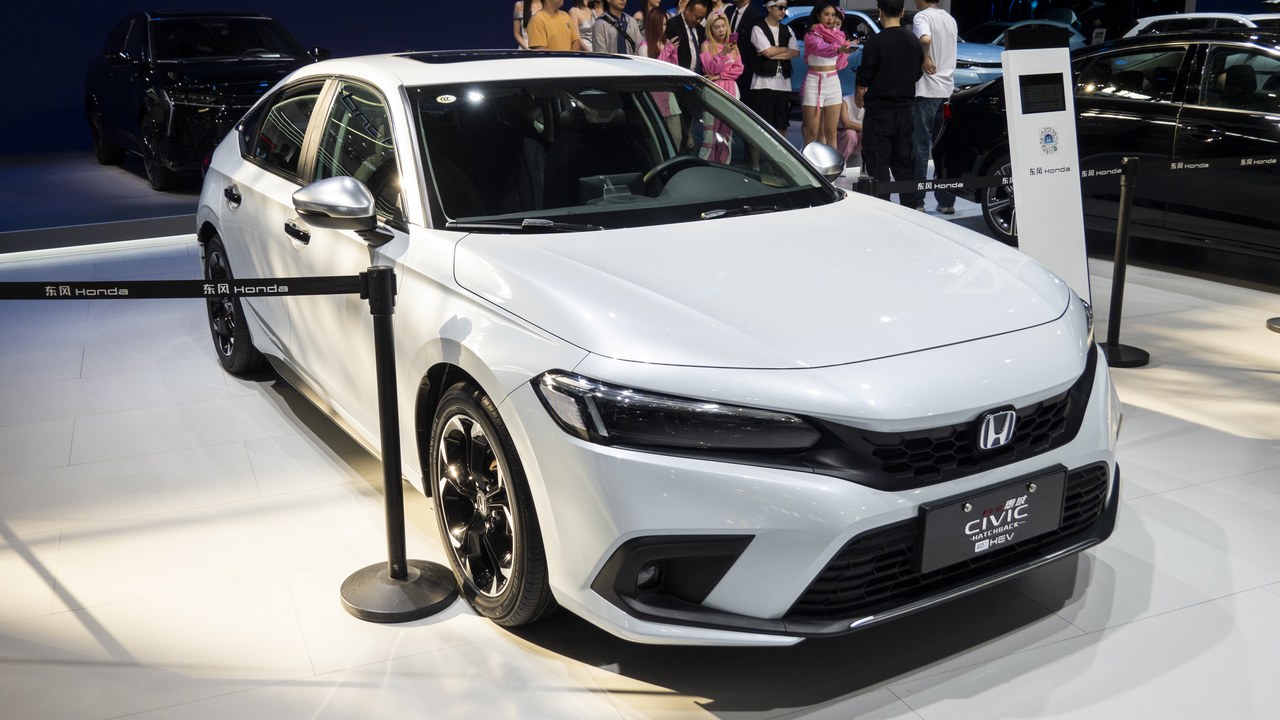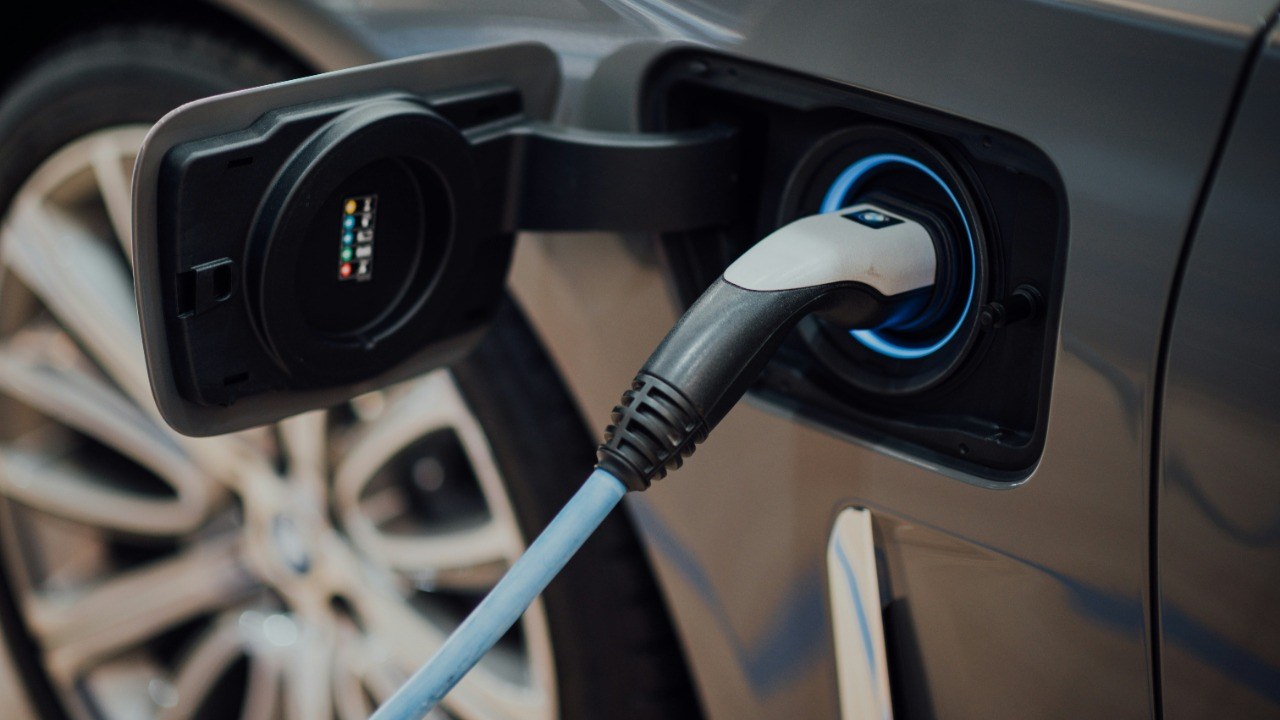
For most of the past two years, buying electric meant paying a clear premium over a comparable gas-powered vehicle. That gap has been closing, and August’s transaction-price data shows how far. The average new EV sold for $54,813 during the month, down both from July and from a year earlier, even as the broader new-vehicle market moved higher.
The direction matters as much as the number. Electric vehicles were the one major part of the new-vehicle market where prices fell in August rather than rose, and incentives explain a large share of why.
August’s number for electric vehicles
The average transaction price for a new EV was $54,813 in August, according to Kelley Blue Book, down 1.2% from July and down 2.7% from August 2025. That decline ran opposite the industry-wide trend: the average transaction price across all new vehicles rose to $50,089 in August, up 1.9% year over year, while average sticker prices industry-wide climbed to $51,852, up 2.2% over the same span. EVs were the exception moving the other way.
Inside the kit: Electric-vehicle prices moved this month, but the rest of a household’s fixed costs — property taxes, utility bills, home repairs — did not pause with them. The heating, cooling and home-repair help and the application log and renewal calendar in The Senior Property Tax & Home-Cost Relief Kit support comparing which relief programs to pursue first.
How the EV premium over gas-powered vehicles narrowed
Kelley Blue Book measures the EV premium as the gap between the average EV transaction price and the average price of a comparable gas-powered vehicle. That premium fell to 9.4% in August, down sharply from 16% a year earlier. An EV that cost roughly 16 cents more on the dollar than its gas counterpart last August now costs closer to 9 cents more — a shift driven by falling EV prices on one side and rising gas-vehicle prices on the other, since the overall market average climbed to $50,089 over the same period. The government’s own inflation gauge shows how unusual that EV decline was: the Bureau of Labor Statistics’ new-vehicles index, covering gas and electric models alike, rose 0.6% over the year and just 0.1% for the month in its August 2026 detailed tables, a far smaller move than the drop Kelley Blue Book measured in EV transaction prices specifically.
An EV market spreading beyond one brand
Electric vehicles made up 5.7% of new-vehicle sales in August, according to a separate Cox Automotive EV Market Monitor report, which tracks the segment in more depth than the monthly transaction-price release. Tesla still led the category with 40,816 units, or 51.7% of EV sales, but that share reflected a decline for the brand that other automakers offset: Cox Automotive’s analysis pointed to growth from the Toyota bZ, the Chevrolet Bolt and the Tesla Model 3 as evidence the EV market is becoming less dependent on a single automaker for its sales growth.
Incentives are still doing more of the work on EVs
Part of the EV decline traces to incentives, which remain far heavier on electric models than on the market as a whole. Automakers and dealers put 12% of the average EV transaction price into incentives in August, Kelley Blue Book found, down from 14.6% in August 2025 but still nearly double the 6.5% incentive rate for new vehicles overall. Erin Keating, Cox Automotive’s executive analyst, attributed the broader shift toward lower price points to financial pressure on many households, a dynamic that shows up in EV pricing as heavier incentives aimed at closing the gap with gas-powered alternatives. The gap between EV and industry-wide incentive spending has narrowed alongside the price premium, but it has not closed: automakers are still discounting a new EV nearly twice as heavily, relative to its own price, as they are discounting the average gas-powered vehicle. None of that incentive spending changes what financing the purchase costs once a buyer signs the loan: the Federal Reserve’s G.19 consumer credit report put the average new-vehicle loan rate through a finance company at 6.3% in June 2026, a rate that applies the same way whether the vehicle underneath the loan runs on a battery or a tank of gas.
Where the EV price sits against the rest of the lineup
At $54,813, the average EV still cost more than every one of the five best-selling segments in Kelley Blue Book’s August report. A compact SUV averaged $37,722 and a midsize SUV $50,315 — both below the EV figure — while a full-size pickup truck, at $67,446, remained the only mainstream segment to top it. That positioning helps explain why the narrowing EV premium matters: an EV buyer is no longer paying a truck-sized markup over a comparable gas vehicle, but is still well above what the typical midsize SUV or smaller vehicle costs.
Tesla moved differently than the segment overall
Not every EV brand tracked the segment average the same way. Tesla’s average transaction price was $52,616 in August, down 2.4% from July and 3.4% from a year earlier — a steeper monthly decline than the EV category as a whole. Because Tesla remains one of the highest-volume EV sellers Kelley Blue Book tracks, its pricing carries outsized weight in the segment’s monthly average, and its faster year-over-year drop is one reason the broader EV figure fell rather than held flat. Cox Automotive’s third-quarter Dealer Sentiment Index, released alongside the pricing data, found dealers reporting manageable inventory and reduced pricing pressure across the market generally, conditions consistent with automakers leaning on incentives rather than list-price cuts to move EV inventory specifically.
A Falling Car Price Says Nothing About the Rest of the Bill
Kelley Blue Book’s August figures describe what a new electric vehicle costs at the dealership. They say nothing about property taxes, utility bills or home-repair costs that keep rising the same month a car payment begins, and none of those costs pause because one line item happened to fall.
The Senior Property Tax & Home-Cost Relief Kit lays out the property-tax freezes and the circuit-breaker credit that includes renters, for comparing which of those programs apply as other costs stack up.
Compare the property-tax freezes and circuit-breaker credit in The Senior Property Tax & Home-Cost Relief Kit.
This article was produced with AI assistance and reviewed by a human editor. Figures are linked to their primary sources.