
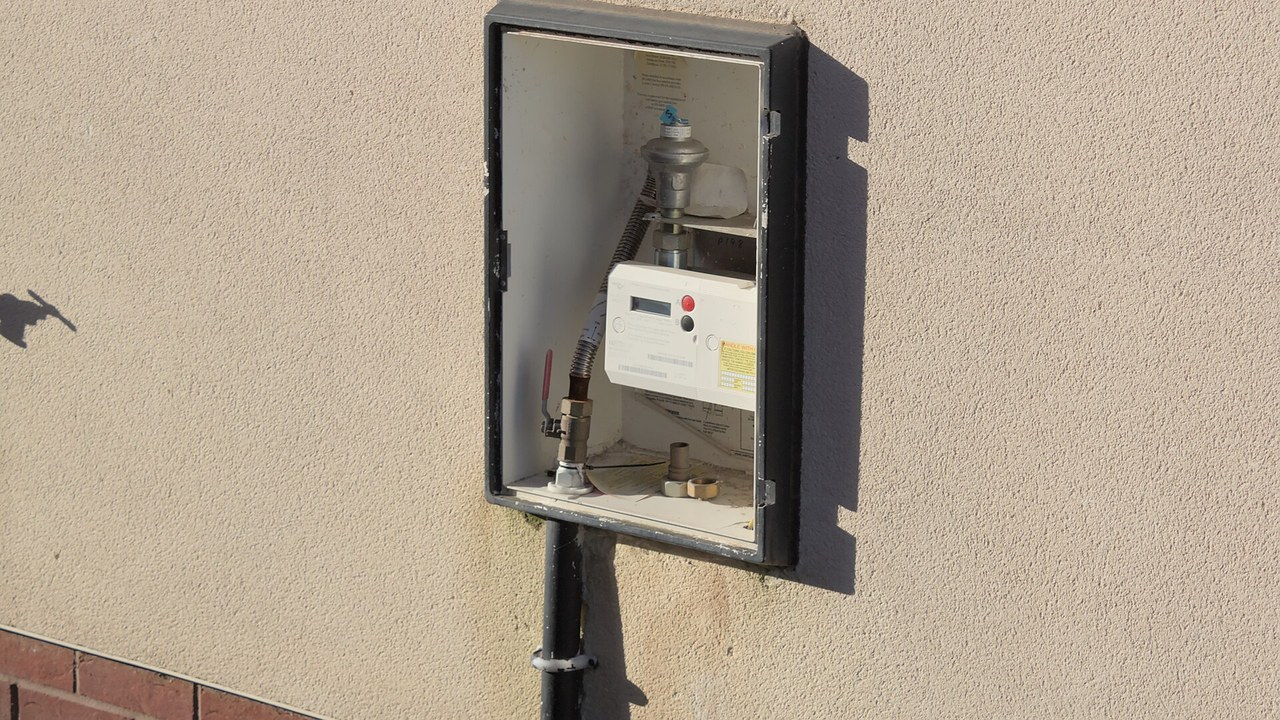
Natural gas rates for Xcel Energy’s residential customers in Colorado rise 8.6 percent on October 6, which works out to $5.16 a month, or about $62 across twelve months. The Colorado Public Utilities Commission reached its final decision in the case on September 4, roughly six weeks before most Colorado furnaces begin running in earnest. The increase arrives on top of whatever the winter itself does to the number of therms a household burns.
Xcel filed for the increase on December 29, 2025, describing the money as necessary to fund critical infrastructure, modernize the system and support the state’s clean energy transition. What the Commission approved is roughly two-thirds of what the company asked for.
A $190 million request that closed at $122.7 million
The company sought $190 million in additional annual revenue. The Commission approved a settlement agreement filed on July 13 that reduces the annual increase to $122.7 million, which the agency describes as saving ratepayers 35 percent against the original request. That reduction is what stands between the bill households will see in October and the one Xcel proposed in December.
Translated to a monthly residential bill, Xcel’s original proposal was an 11.4 percent increase, or $7.59. The approved figure is 8.6 percent, or $5.16 — a 24.56 percent cut to the proposed monthly hike. The $2.43 difference is worth about $29 a year to a residential customer, and it is the entire practical consequence of the case for a household that qualifies for no assistance program at all.
Inside the kit: The 5 kinds of property-tax relief, the circuit-breaker credit that includes renters, help with heating, cooling and home repairs, and an application log and renewal calendar. Open The Senior Property Tax & Home-Cost Relief Kit.
Small businesses absorb $22.76 a month
The residential number is the smaller of the two the Commission published. Small business rates rise 9.2 percent, or $22.76 a month, cut from Xcel’s requested 13.0 percent, or $36.47 — a 29.23 percent reduction to the proposed monthly increase. Proportionally, small commercial customers were handed the deeper cut to the ask and still end up paying more than four times the residential dollar figure each month.
For a corner restaurant or a two-chair barbershop heating a storefront through a Front Range January, $22.76 a month is roughly $273 a year before any change in consumption. That cost tends to reach households a second time, through the price of whatever the business sells.
Why the date is October 6 and the written order comes later
The sequence is unusual enough to be worth stating plainly: the rates take effect before the full written decision exists. The Commission voted on September 4 during deliberations and set the new rates effective October 6, with a final written decision expected around October 1. Once that document issues, any party to the rate case has twenty days to ask the Commission to reconsider aspects of the decision.
An appeal filed inside that window does not pause the October 6 rates. The record behind the case, including the settlement agreement and the two public comment hearings the agency held, sits on the Commission’s gas rate case page under Proceeding No. 25AL-0538G.
The settlement itself was filed on July 13, nearly seven months after Xcel’s December application, and the Commission approved it during deliberations rather than issuing a separate contested ruling. That is a meaningful procedural detail for anyone reading the outcome as a regulator overruling a utility: the $122.7 million figure came out of a negotiated agreement the Commission accepted, and the reduction against the original ask was the product of that negotiation as much as of the vote.
$5 million from shareholders into the Gas Affordability Program
Alongside the rates, the Commission approved a $5 million shareholder-funded contribution to Xcel’s Gas Affordability Program. The agency was specific about the source: the money comes from Xcel Energy’s corporate profits, not from customer rates, and is meant to provide increased bill credits and stronger protections against service disconnection for income-qualified customers.
That $5 million is the counterweight to the $5.16. A household that qualifies for Xcel’s electric and gas affordability programs may never feel the October increase at all, because those programs set a bill as a share of income rather than as a function of therms burned. A household earning slightly too much to qualify pays the full $5.16 and receives nothing from the $5 million.
Colorado’s design standard for those programs is a percentage, not a dollar cap. The Commission’s rules require investor-owned utilities to operate Percentage of Income Payment Plans that hold an income-qualified customer’s combined electric and gas bills to a set share of income, which means a rate increase passes through to the utility’s revenue without changing what the enrolled household is billed. Everyone outside the program absorbs the difference on schedule.
What the $5.16 is not
The figure is a base rate change, not the whole bill. The cost of the gas itself moves separately through a commodity charge that rises and falls with the market, which is why a bill can climb in a year with no rate case at all. The $5.16 is also an average residential figure, so a drafty 1950s bungalow in Greeley and a tight new townhouse in Superior will not see the same dollar change.
Colorado households that want the assistance side of the ledger before the October date can start from the Commission’s consumer page, which routes to the state’s affordability programs and to the Colorado Energy Savings Navigator, an eleven-question screening tool covering more than 100 rebates and assistance programs. The federally funded Low-income Energy Assistance Program opens its own window on November 1 and runs through April 30, which is roughly four weeks after the new rates begin.
The Commission’s announcement of the decision points customers to that set of resources in the same breath as the new rates, and it identifies the $5 million as coming from corporate profits rather than customer bills. Both statements sit in the agency’s own record of Proceeding No. 25AL-0538G, which is the document that governs what appears on an Xcel gas bill after October 6.
The rate order names a date and leaves the paperwork to the household
A rate case publishes the increase and the day it starts, and stops there. Nothing in the September decision tells a household which assistance programs it might already qualify for, when those windows open, or what happens to a home-heating benefit when the property-tax deadline lands in a different month. Those pieces are administered by separate offices that do not share a calendar.
The Senior Property Tax & Home-Cost Relief Kit is an 11-page kit that maps the 5 kinds of property-tax relief alongside heating, cooling and home-repair help.
Read about the circuit-breaker credit that includes renters in The Senior Property Tax & Home-Cost Relief Kit.
This article was produced with AI assistance and reviewed by a human editor. Figures are linked to their primary sources.


