
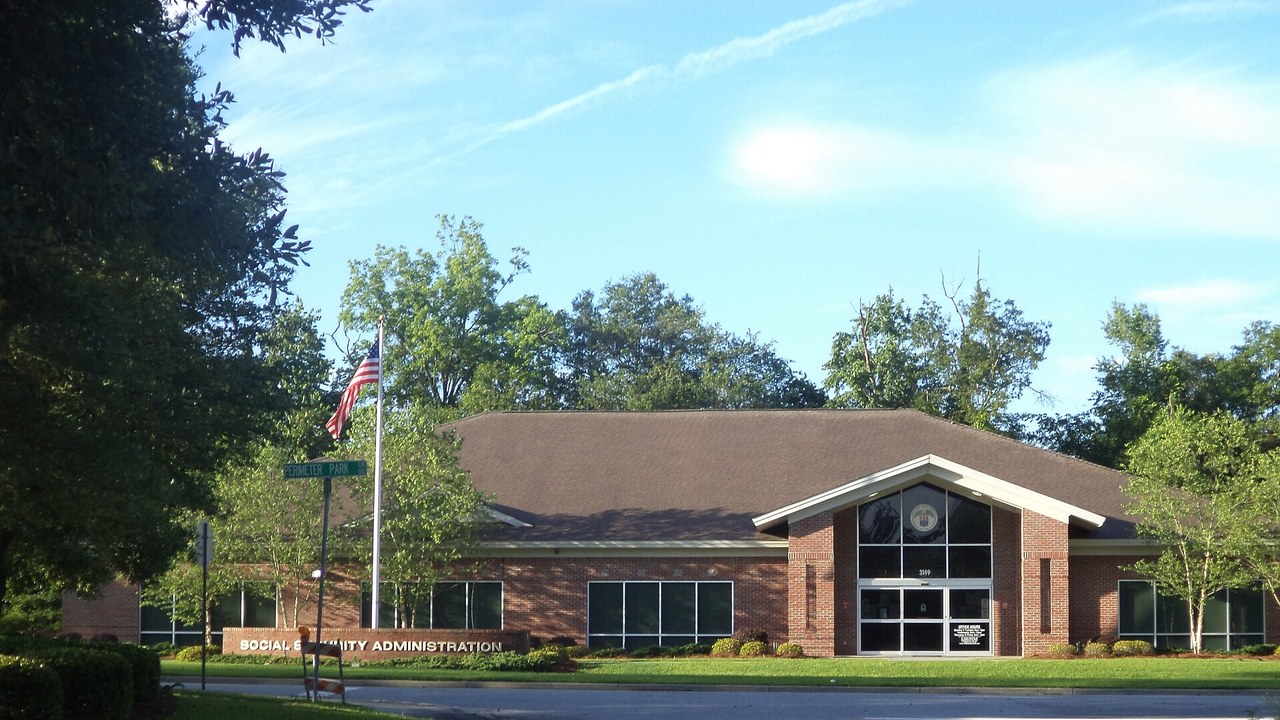
A Social Security number is supposed to follow one person for life, tying every dollar of reported earnings and every future benefit application to a single record. A federal audit released this month found that assumption broke down for 420 babies born between 2021 and 2024, each of whom ended up with two numbers instead of one. The mix-up traces mostly to routine hospital-to-state paperwork gone wrong in a single state, and it leaves a small group of children on track to reach adulthood with a Social Security file that was never fully stitched back together.
13.9 Million Numbers, 420 Exceptions
State vital records agencies feed most newborn Social Security applications straight from the hospital bassinet into the agency’s Enumeration at Birth program, which now issues about 99 percent of all infant SSNs. Investigators at the Social Security Administration’s Office of the Inspector General pulled every EAB record filed between January 1, 2021, and September 27, 2024 — 13,867,587 of them — and matched each newborn’s name, birth date, birthplace, sex and parents’ names against every other record in the file. The results, published in audit report 062501, show the agency got it right 99.997 percent of the time. Only 420 infants, a sliver worth .003 percent, ended up with more than one Social Security number that was never cross-referenced back to a single active record.
The form the notice never names: An overpayment notice sets a deadline and a withholding rate, but not which form pauses collection while it is disputed. See the three SSA forms in The Social Security Check Protection Kit.
Two Ways a Baby Ends Up With a Second Number
Auditors traced the 420 duplicate cases to two distinct patterns in how states transmit birth data. For 68 infants, a state sent SSA two separate EAB records on the very same day, each carrying a different state birth certificate number but otherwise identical names and parent information. For the other 352 infants, a state sent two records on different days that shared the same birth certificate number but varied by something as small as a single letter in the child’s first name — an amended spelling resubmitted as though it described a brand-new baby. SSA’s automated matching logic could catch records that lined up exactly on name and birth date, the audit found, but had no way to flag records that were nearly identical, that shared a birth certificate number, or that arrived hours apart rather than days apart.
A Software Flaw in New Jersey
Investigators traced the 420 cases to 34 states in total, but one state accounted for nearly half the problem. New Jersey supplied 187 of the 420 duplicate cases — 45 percent — and state officials told auditors the cause was a system New Jersey built in July 2021 specifically to stop duplicate EAB submissions from going out. That system carried an undetected validation flaw: whenever a parent amended a birth record, such as correcting a newborn’s name, the system treated the amendment as an entirely new birth and resubmitted it to SSA as a second application. New Jersey staff did not catch the problem until April 28, 2022, when they discovered an infant had been issued a second Social Security card after a name change, and had a fix in place by May 4, 2022. SSA itself did not know about the flaw until the inspector general’s staff raised it during fieldwork for this audit.
Why a Duplicate Number Becomes a Future Benefits Problem
A second Social Security number sounds like a paperwork curiosity until the child grows up and starts a job. Every dollar an employer reports to the IRS is credited to whichever SSN sits on the pay stub, and Social Security’s retirement, disability and survivor formulas all run off the lifetime earnings history tied to one active number. If a file is never cross-referenced and the extra number stays live instead of being marked retired, years of a future worker’s earnings could post to the wrong record, understating the number SSA eventually uses to calculate the benefit that worker files for decades later. The audit flagged a more immediate risk too: someone holding two live numbers could apply for Supplemental Security Income under one and later apply for SSI, retirement or disability benefits under the second, along with separately administered programs such as food assistance or state unemployment insurance, each blind to what the other number already paid.
Auditors also disclosed, without detail, that the same data pull turned up a separate concern: certain SSN card issuances during the review window showed patterns investigators considered unusual enough to carry a heightened risk of misuse. Because the underlying case information was sensitive, the audit says investigators shared it privately with SSA management rather than publishing it, which means the 420-case tally is the transparent floor of what this review found, not necessarily the whole picture.
How Investigators Checked 13.9 Million Records
The methodology behind the 420 figure took roughly a year and a half. Between March 2025 and July 2026, auditors matched every EAB record on eight data points — first name, middle name or initial, last name, date of birth, place of birth, sex, mother’s name and father’s name — while also testing a sample of records against the underlying state files to confirm the data was reliable enough to build findings on. That level of matching, rather than a simple name-and-birth-date check, is what surfaced the 352 cases with minor spelling differences that a cruder search would have missed entirely, and it is also why the OIG confined itself to a single recommendation rather than a broader overhaul: with 420 cases against 13.9 million records processed correctly, auditors framed this as a targeted cleanup, not a systemic breakdown of the EAB program.
The Fix SSA Agreed To
The inspector general’s office made one recommendation: that SSA review all 420 infants’ records, cross-reference the duplicate numbers where enough information exists, and designate the extra SSN on each file as retired so it can no longer be used for benefits or reported earnings. SSA agreed to the fix. Retiring a number does not erase it — it stays in SSA’s records permanently — but the agency stops using it for any business purpose, which closes the exposure the audit described. Because Enumeration at Birth runs almost entirely on data a hospital or midwife hands to a state vital records office, SSA’s own manual is explicit that the agency does not create or verify the underlying birth information itself; it processes whatever a state’s Bureau of Vital Statistics sends, which is exactly the point of failure New Jersey’s software exposed.
When a Mismatched Record Turns Into an SSA Notice
A duplicated or mismatched Social Security number is not the only records problem that can surface years after the fact; a mismatched earnings record, a miscalculated benefit, or a processing error can all reach a household the same way — as a notice carrying a deadline and a dollar figure, with no plain explanation of which form addresses it. Households on the receiving end of a Social Security notice often have days, not months, to respond before withholding starts.
The Social Security Check Protection Kit is an 18-page kit built around the 2026 payment calendar, the three SSA forms that pause or stop collection, and a first-24-hours plan for a payment that never arrives or arrives short.
Look up the three SSA forms and the payment calendar in The Social Security Check Protection Kit.
This article was produced with AI assistance and reviewed by a human editor. Figures are linked to their primary sources.


