
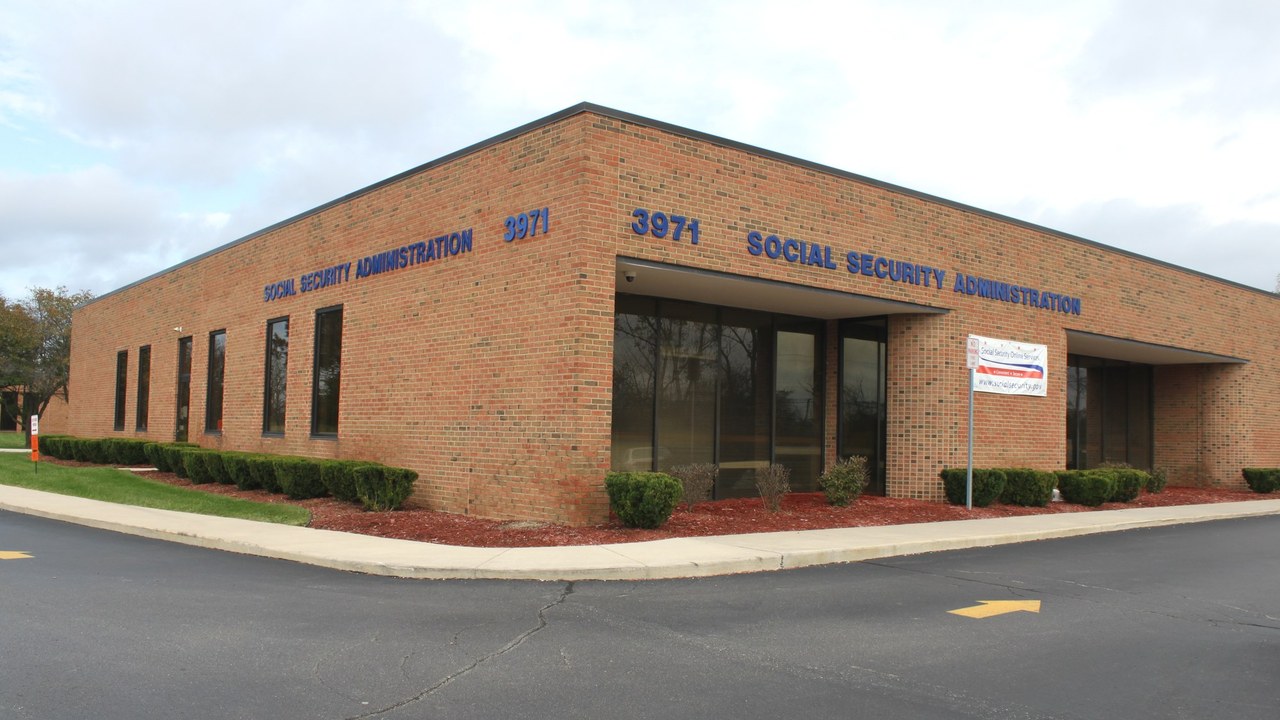
Across five fiscal years of payment-accuracy reviews, one now-defunct rule kept surfacing as the single biggest reason Social Security miscalculated a retirement or disability benefit. The finding sits inside a routine payment-accuracy audit most beneficiaries will never read, yet it explains why some overpayment notices arriving today can trace back to a formula Congress eliminated more than a year ago. The number attached to the finding is specific, and so is the category it covers: not every Social Security overpayment, only the ones caused by a benefit-calculation mistake.
The Provision Behind 35 Percent of the Errors
According to the Social Security Administration Office of the Inspector General’s compliance audit for fiscal year 2025, the windfall elimination provision, or WEP, was the leading cause of computation-related overpayments in the Old-Age, Survivors, and Disability Insurance program between fiscal years 2020 and 2024. Over that five-year span, WEP accounted for roughly $931 million, or 35 percent, of all computation overpayments recorded in the program, according to the inspector general’s audit. That 35 percent applies only to the computations category of overpayment causes the OIG tracks; it is not a share of Social Security overpayments overall, which also include errors tied to unreported income, family relationship changes, and several other categories counted separately.
Under WEP, SSA applied a modified formula when it calculated the monthly benefit of a retired or disabled worker who also received a pension from a job that had not paid into Social Security. Lawmakers designed the rule to remove what they called a windfall for people with both a non-covered pension and Social Security-covered earnings, but the modified math also produced a steady stream of calculation mistakes that fed directly into the government’s overpayment totals for half a decade.
The form the notice never names: An overpayment notice sets a deadline and a withholding rate, but not which form pauses collection while it is disputed. See the three SSA forms in The Social Security Check Protection Kit.
A Formula Retired Before the Audit Closed the Books
The provision that produced those errors no longer exists. The Social Security Fairness Act ended WEP, along with the related government pension offset, when it was signed into law on January 5, 2025, and the change applies retroactively to benefits payable for January 2024 and later, according to SSA’s official implementation page for the law. SSA says the repeal touched benefit calculations for more than 2.8 million people who received a pension from work not covered by Social Security, mainly teachers, firefighters, and police officers in many states, federal employees covered by the old Civil Service Retirement System, and workers whose careers had included employment covered by a foreign social security system.
The timeline matters for reading the audit correctly. The $931 million in WEP-driven computation errors happened before the provision was struck down, while SSA was still running the modified formula on new and existing claims. The inspector general’s office wrote that it expects the repeal to cause “a decrease in overpayment computation errors caused by WEP in future PIIA reporting periods,” since the formula responsible for the mistakes is no longer in use anywhere in the program.
How SSA Paid Out $17 Billion After the Repeal
Ending WEP going forward did not undo what had already happened to people’s benefit records. Once the provision and its offset stopped applying, SSA had to recalculate affected benefits back to January 2024 and issue lump-sum back payments on top of higher ongoing monthly amounts. By July 7, 2025, the agency had completed more than 3.1 million of those payments, totaling $17 billion, which it described as five months ahead of its own internal schedule, according to a Social Security Administration press release announcing the milestone. Commissioner Frank Bisignano called the broader service push “a model of excellence” the agency owed the public, in the same release crediting employees for the turnaround.
Bisignano, Anderson and a Report With No Objections
The audit that documented WEP’s $931 million share was addressed directly to Commissioner Bisignano and signed by Michelle L. Anderson, the agency’s Assistant Inspector General for Audit acting as First Assistant. SSA reviewed the draft findings, offered technical comments the OIG incorporated into the final report, and told auditors through Chief Risk Officer Chad Poist that the agency had no formal comments of its own to add. The exchange is a routine part of the annual review Congress requires under the Payment Integrity Information Act of 2019, which forces every large federal agency’s inspector general to check the agency’s own improper-payment reporting each year.
What the Repeal Doesn’t Erase
WEP explains a little over a third of the computation-overpayment total, but the remaining 65 percent came from ordinary calculation mistakes unrelated to the repealed provision. In the Disability Insurance program alone, the OIG traced part of a year-over-year increase to eight cases from a single stewardship review sample, seven of which involved beneficiaries who had been on the rolls for more than three years; six of those eight cases carried a weighted deficiency exceeding $1 million apiece, which is what pushed the audited computation total higher from fiscal year 2023 to fiscal year 2024.
The computations finding was one entry in a larger accounting for the year. Across all of its FY 2025 work, the inspector general’s office issued 49 reports identifying more than $708 million in questioned costs and another $976 million in federal funds it said could still be put to better use, according to the same office’s published report record. Those figures, not a single repealed formula, are what the inspector general says still stand between Social Security and a clean bill of health on payment accuracy.
When the Benefit Formula Is the Error
The audit above counts computation errors after the fact; it says nothing about what happens to the person who gets a letter citing one of them. An overpayment tied to a formula mistake still starts the same collection clock as any other Social Security overpayment, with a repayment demand and a response window attached. Which SSA form applies, and how quickly it needs to go in, is left for the beneficiary to sort out alone once the notice arrives.
The Social Security Check Protection Kit is an 18-page kit built around the three SSA forms that stop or pause collection (SSA-561, SSA-632, SSA-634) and an overpayment response worksheet.
See the three SSA forms and the overpayment response worksheet inside The Social Security Check Protection Kit.
AI-assisted research and drafting; reviewed by an editor.


