
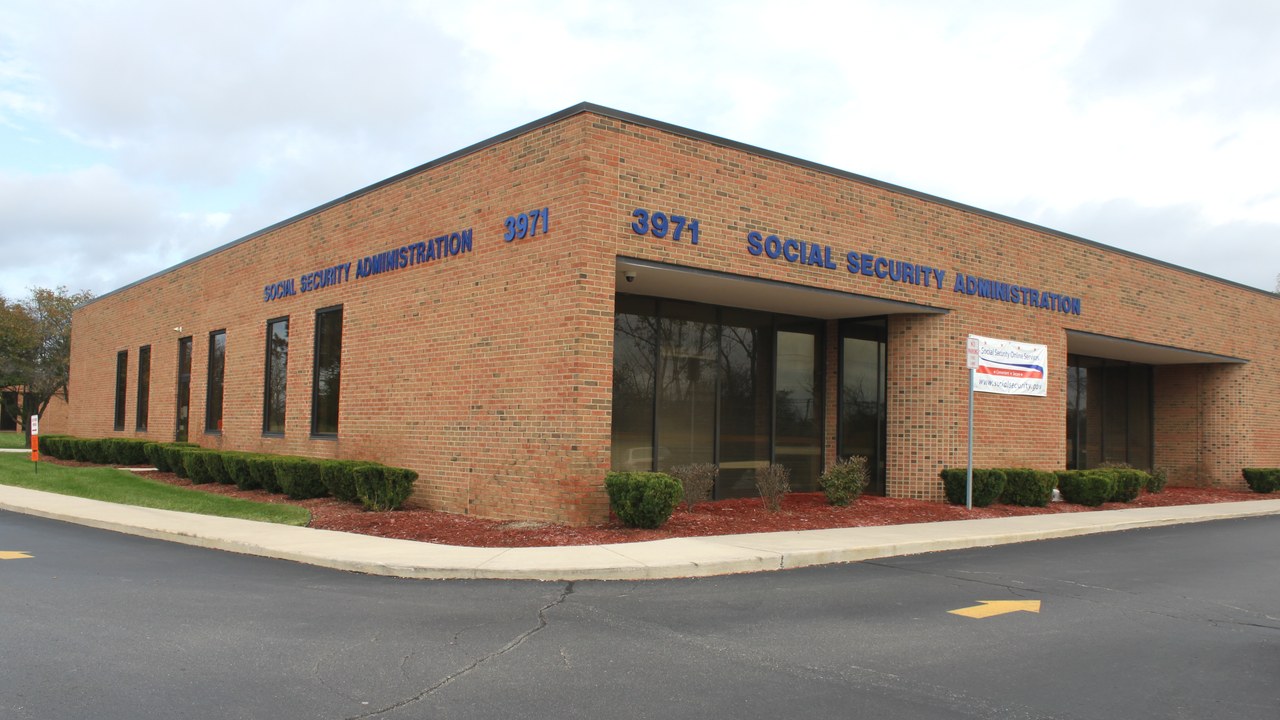
Hundreds of millions of dollars in large Supplemental Security Income underpayments left the Social Security Administration without the second review meant to catch mistakes before the money went out the door. That is the conclusion of a new audit by the agency’s own Office of the Inspector General, which pulled a sample of payments Social Security had actually issued and checked whether a required internal safeguard had been followed. Projected across the full pool of payments the audit examined, the missing reviews add up to an estimated $863 million.
Inside Audit 062407: Testing Whether SSA Paid What It Owed
The audit, numbered 062407 and dated August 28, 2026, set out to determine whether the Social Security Administration paid Supplemental Security Income recipients the underpayments they were owed. An underpayment can happen three ways: no payment went out when one was due, a payment issued was smaller than the amount actually owed, or a correct payment was issued but the recipient died before cashing the check. Before releasing a large underpayment, agency policy requires a pre-payment review — a second employee, one who did not handle the original calculation, has to confirm the amount is right and the recipient is eligible before the money goes out.
To test whether that review was actually happening, auditors focused on a group of roughly 2.4 million underpayments Social Security had already paid recipients between July 31, 2021, and July 31, 2024. They pulled a random sample of 100 of those payments and checked the agency’s own records for evidence the required review had taken place. Eighty-eight of the 100 checked out clean — some didn’t need a review at all, and the rest had one documented on file. The remaining 12, according to the audit report, had no documented review at all before the payment went out.
Free download: Where the deadline hides in an overpayment notice, the four response paths, and what to ask before calling SSA. Download the free first-day checklist.
The Pre-Payment Review SSA Skipped in 12 of 100 Cases
A pre-payment review is meant to work like a second set of eyes: a claims specialist or higher-level employee confirms the underpayment amount is correct and the recipient is actually eligible before a large payment is released, catching an error before the money leaves the Treasury rather than after. In the 12 sampled cases with no documented review, the underpayments totaled $43,729 — real money released on the strength of one employee’s calculation, with no second signature confirming it was right.
Auditors did not simply take Social Security’s word that the reviews happened; they looked for a documented record and found none for those 12 files. Extrapolated across the full three-year population of paid underpayments, that gap comes out to an estimated 287,738 underpayments totaling $863,171,728, a projection the report states at a 90 percent confidence level. The Office of the Inspector General, whose stated mission is overseeing Social Security’s programs and rooting out waste inside them, said it could not determine why employees skipped the required step.
Why the Review Threshold Moved From $5,000 to $15,000
Not every underpayment gets a pre-payment review — only the larger ones do, and the dollar line that counts as “large” has moved. Before March 16, 2024, Social Security required the review on underpayments of $5,000 or more. Since that date, the threshold sits at $15,000 or more, meaning fewer payments now get the second look by dollar value alone. A separate rule applies once an underpayment exceeds three times the current maximum Federal Benefit Rate: the law requires Social Security to release that money in as many as three installments, spaced six months apart, unless the recipient has a terminal condition or is expected to remain ineligible for benefits for the next year. To trigger a review, an employee has to manually add the case to what the agency calls the SSI Underpayment Control Log — a hand-entered step with no automatic backstop if it is skipped.
One Underpayment That Went Out Unchecked
The audit walks through a specific example of how the gap plays out in practice. Social Security approved an individual for SSI payments in June 2020 and determined the person was underpaid a total of $12,822. Because that amount exceeded three times the Federal Benefit Rate, the agency released it in three installments spaced six months apart, as required. Because the total also exceeded the $5,000 review threshold that applied at the time, policy called for a separate employee to complete a pre-payment review confirming the underpayment was correct before the first installment went out. Auditors found no evidence that review ever took place, which means there was no independent confirmation that the amount ultimately paid was actually right.
What the Inspector General Told SSA to Fix
The audit closed with three recommendations: that Social Security act on the specific problem underpayments identified in the samples, that it determine how to resolve an estimated 1.1 million other underpayments still sitting unresolved on its records, and that it identify why employees are failing to document required pre-payment reviews and correct the process. Social Security agreed with all three, and its commissioner was asked to submit a corrective action plan within 60 days of the report’s release. The report is logged as an agency-wide audit with three open recommendations, according to its entry on Oversight.gov. In the weeks since, the Inspector General’s office has kept publishing other Social Security program reviews, including audits of SSI vehicle-ownership rules and earnings alerts, according to its list of audit reports.
The Six-Month Installment Clock Behind a Large SSA Payment
An underpayment large enough to require a second review is often the same size that gets paid out in installments spaced six months apart, and the audit shows even that math can go out the door without anyone double-checking it. Nothing in the process tells the person waiting on that money which installment is due next, or what to do the day a deposit doesn’t show up on schedule. That is the gap a household is left to manage on its own once Social Security has already sent the payment.
The Social Security Check Protection Kit carries a first-24-hours plan for a late or missing payment and an overpayment response worksheet for tracking what happens after a corrected underpayment arrives.
Open the first-24-hours plan for a late or missing payment in The Social Security Check Protection Kit.
AI-assisted research and drafting; reviewed by an editor.


