
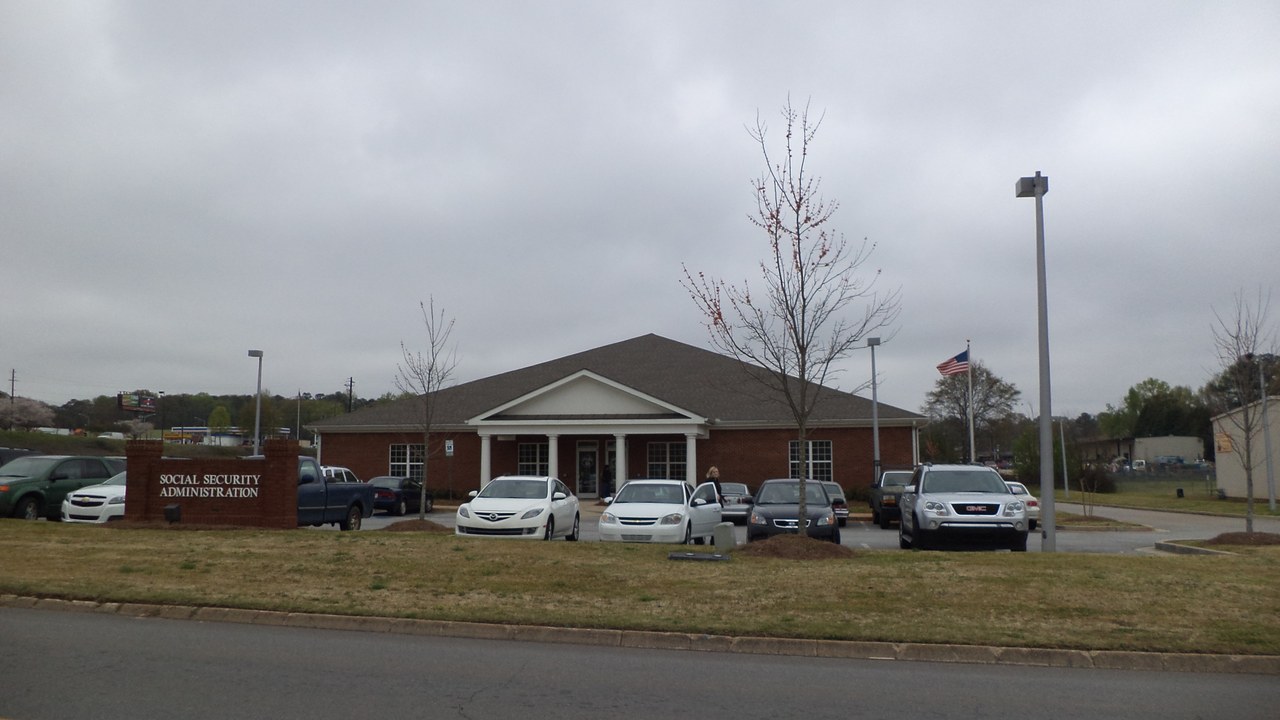
A new watchdog report on the Social Security Administration has surfaced a backlog of Supplemental Security Income payments that were due years ago and still have not gone out. The agency’s own Office of the Inspector General sampled the underpayments sitting in SSA’s records and found that some of the oldest unresolved cases, involving living recipients whose accounts had been closed, had been pending for an average of 18 years. Other underpayments tied to recipients who died before collecting the money had sat even longer, an average of 22 years, some no longer payable to anyone at all.
Inside the Inspector General’s Review of SSA’s Own Backlog
The audit, numbered 062407 and released by the Social Security Administration’s Office of the Inspector General, set out to answer one question: whether SSA actually paid Supplemental Security Income recipients the underpayments they were owed. Investigators pulled two sets of records. The first, called Population 1, covered roughly 2.5 million underpayments still pending on SSA’s Supplemental Security Record as of September 2024, split between 1.14 million cases tied to living recipients and 1.37 million tied to people who had since died. The second, Population 2, covered about 2.4 million underpayments SSA had already paid out between July 2021 and July 2024.
To test how the agency was handling that backlog, auditors pulled a random sample of 160 cases from Population 1 and 100 from Population 2. In the Population 1 sample, SSA had paid the underpayment correctly in exactly half the cases, 80 of 160. Employees had failed to follow policy and pay 69 of the remaining recipients, and 11 more turned out to be erroneous entries that staff never removed from the record, a pattern the Council of the Inspectors General’s public case file lists among three open recommendations against the agency.
Free download: SSI and SSDI rules side by side, what to report and when, and how to prepare for a disability review. Get the free work and review checkup.
Why Some Terminated Records Carried an 18-Year-Old Debt
Of the 69 underpayments SSA employees failed to pay in the Population 1 sample, 40 belonged to living recipients whose Supplemental Security Records had already been terminated, meaning their SSI case was formally closed even though money was still owed on it. The audit found these 40 underpayments had remained pending for an average of 18 years, with most of them tracing back to periods when the recipient was still receiving SSI or Social Security disability and retirement benefits before the record closed.
One case the auditors documented illustrates how a debt like that survives on paper for decades. SSA underpaid a recipient $1,549 and logged the underpayment on the record before terminating it without ever issuing the payment. The recipient later filed two more SSI applications, both denied for excess income, and employees never went back to resolve the outstanding $1,549. As of December 2025, the report notes, the agency still had not paid it. A newer alert system, built in 2014 to flag terminated records with underpayments from the prior 42 months, does not reach back far enough to catch debts this old.
Underpayments With No One Left to Claim Them
A separate slice of the backlog involves recipients who died before SSA resolved what it owed them. In the same 160-case sample, 26 underpayments belonged to deceased recipients SSA never paid, either because the agency failed to pay them before death or because it never contacted the eligible survivors entitled to the money. Those cases had been pending for an average of 22 years. A further 47 underpayments in the deceased-recipient sample, worth $22,861 combined, were not payable to anyone at all, because the recipient had been dead for more than 24 months or no eligible survivor existed on the record, yet the entries were never cleared out.
SSA’s own projection, laid out in the audit’s appendix, estimates roughly 803,000 underpayments totaling about $222 million across the full Population 1 set fall into that unpayable category, sitting on the books for no functional reason. The inspector general noted this is not a new finding: a 2019 audit turned up $540 million in SSI underpayments owed to recipients who had been dead more than two years, and after agreeing to fix it then, SSA later decided it would not spend the resources to clear those records.
Where the Required Second Look Never Happened
The audit’s second population, the underpayments SSA had already paid between mid-2021 and mid-2024, turned up a different gap. SSI rules require a second employee, someone other than the person who approved the payment, to conduct a documented pre-payment review before releasing a large underpayment, a threshold that moved from $5,000 to $15,000 in March 2024. Of the 100 paid underpayments auditors sampled, 12 showed no evidence that review had happened, including one case where a recipient approved for SSI in June 2020 was found to be owed $12,822, released in three installments six months apart, without the required second review documented anywhere in the file.
Projected across the full population, the agency estimates that gap touches roughly 288,000 underpayments worth about $863 million where it cannot confirm the required check was ever done. SSA subject-matter experts told auditors the review only happens if a technician manually logs the case first, and in the sampled failures, no one had.
SSA’s Three Commitments and a 60-Day Deadline
The inspector general closed the report with three recommendations: resolve the 139 specific underpayments the audit identified, determine how to find and pay the estimated 1.1 million outstanding underpayments still sitting in Population 1, and fix the internal breakdowns that let erroneous entries and undocumented reviews persist. SSA agreed with all three and, per standard OIG procedure, owes the agency a corrective action plan within 60 days of the report’s August 28, 2026 release. Commissioner Frank Bisignano’s office has not yet published that plan.
The Income and Resource Limits an SSI Household Has to Track
None of the households caught in this backlog filed a special form to trigger it; the underpayment simply sat on a terminated or closed record until someone, if anyone, went looking for it. SSA’s own audit shows the agency will not always catch that first, so keeping track of a household’s current SSI income and resource numbers, and what could change or reopen a case, falls back on the household itself.
The SSI & Disability Action Kit opens with the 2026 SSI income and resource limits alongside the rules for working without losing benefits, built as a 10-page reference for exactly this kind of record-keeping.
See the 2026 SSI income and resource limits in The SSI & Disability Action Kit.
AI-assisted research and drafting; reviewed by an editor.


