
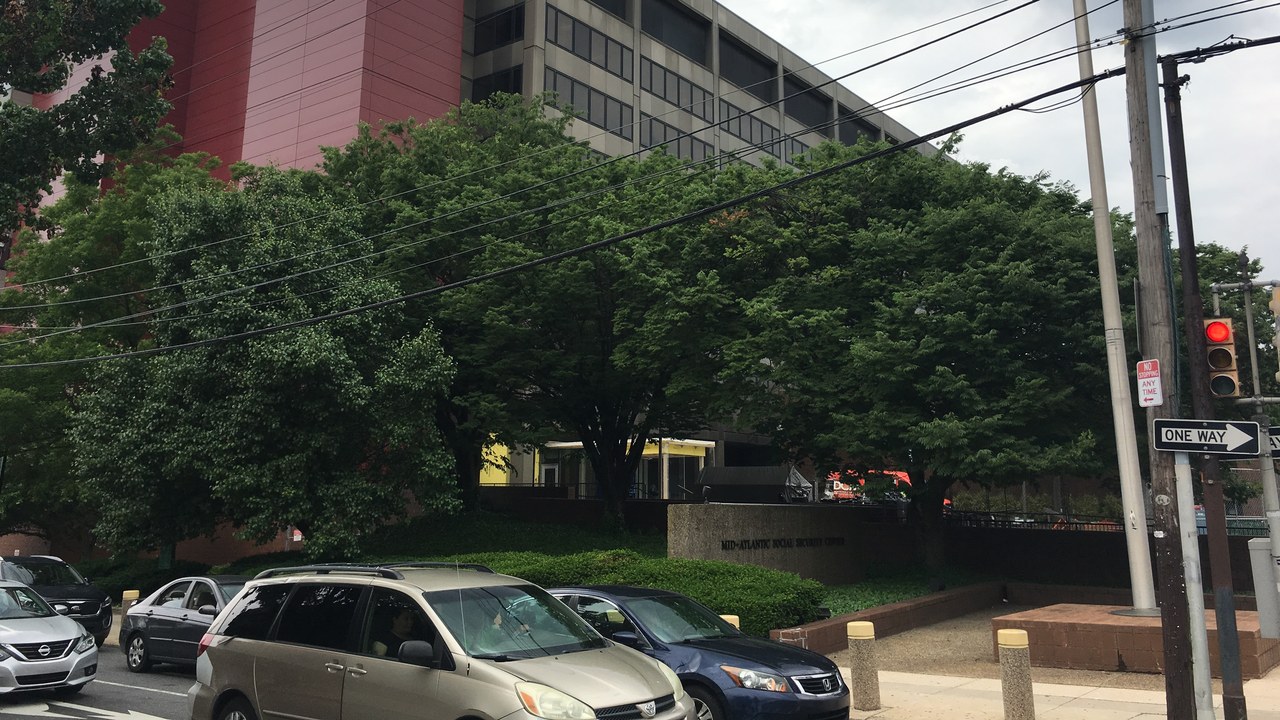
The Social Security Administration’s inspector general says more than 1.1 million Supplemental Security Income underpayments, totaling about $291 million, were not paid to eligible recipients or survivors. The finding comes from a September 3 audit release, not from a new SSI payment program. It identifies an outstanding administrative problem and says SSA agreed to corrective recommendations.
What the watchdog counted as an SSI underpayment
The SSA Office of the Inspector General release defines an underpayment as a period for which a payment was due but not made, a payment that was less than the amount due, or a correct payment that was issued before a recipient died without cashing it. That definition is wider than a simple mistake on a monthly check. It includes several different situations that can require a review of the record and, in some cases, an eligible survivor.
The audit examined two populations: 2.5 million underpayments pending in September 2024 and 2.4 million that SSA paid between July 31, 2021 and July 31, 2024. Auditors reviewed 260 cases in total. From that work, the OIG said SSA should determine how to identify and resolve approximately 1.1 million outstanding underpayments for recipients or eligible survivors.
The $291 million estimate is therefore an audit estimate tied to the outstanding population. It is not a single fund that will be divided equally among a fixed group of people. Amounts can vary sharply, and an underpayment can be offset by a valid overpayment, interim-assistance reimbursement or authorized representative fee before any payment is released.
Free weekday retirement brief: Social Security, Medicare, and the IRS change the rules every year — and no notice arrives in the mail. The Retirement Money Brief by RetireShield explains one change every weekday: what moved, who it affects, and the step to take. Get the free brief.
What the audit found in the sampled cases
Among 160 pending underpayments sampled, the OIG said SSA paid 50 percent correctly. Employees did not follow required policies in 43 percent of the cases, and 7 percent were erroneous underpayments that SSA should remove from its records. The review also found 47 underpayments for deceased recipients, totaling $22,861, that remained in SSA’s records even though no one could be paid on them.
In a separate sample of 100 underpayments that SSA had paid, the OIG found required prepayment reviews in 88 percent of cases. For the remaining 12 percent, it found no evidence that employees had followed policy and completed the required review before issuing a payment. These findings explain why the agency’s resolution will not be automatic: a record may require a determination of the amount, whether it is payable and who is legally entitled to receive it.
SSA agreed to implement the OIG’s recommendations. The release says those recommendations include action on the 139 underpayments identified in the audit, a process to identify and resolve the estimated outstanding population, and corrective steps to improve documentation of prepayment reviews.
Why SSI and Social Security should not be treated as the same program
SSI is a federal benefit program for people with limited income and resources who are elderly, blind or disabled and meet the program’s requirements. It is administered by SSA, but it is not the same as retirement, survivor or disability insurance benefits earned through Social Security work credits. A notice or payment issue in one program does not by itself establish a problem in the other.
That distinction matters because records, eligibility rules and the people who may receive a payment after a death can differ. The OIG’s release specifically concerns SSI underpayments. It does not say that all Social Security beneficiaries have a pending payment or that a person can establish an underpayment merely by comparing a current deposit with a prior month’s deposit.
What a careful record review looks like
The audit’s finding does not create a broad claim window or a universal payment deadline. A person who believes an SSI payment may be wrong needs a case-specific review. Useful records can include SSA notices, deposit histories, reported changes in income or living arrangement, and correspondence about any reconsideration or appeal. A survivor’s situation can add documents about the deceased recipient and the survivor’s relationship.
SSA normally sends notices when it changes an SSI payment or identifies an issue. Those notices are important because they state the action, the reason and the time limit for challenging a decision. The OIG release is not a substitute for an individual notice, and it does not eliminate ordinary appeal deadlines.
The strongest reading of the audit is limited but significant: an independent watchdog found a large estimated population of unresolved SSI underpayments and said SSA agreed to address the gaps. It is evidence of a system issue, not proof that any particular household has money waiting.
Why the finding matters for household budgets
SSI recipients often rely on small monthly payments for essential expenses, so even a modest underpayment can matter. The OIG noted that failures to release underpayments can create serious financial hardship. At the same time, the audit shows why exact records and review rules matter: not every item called an underpayment remains payable, and not every unresolved record belongs to the recipient rather than a survivor or another party.
The OIG’s work puts a number on an administrative backlog that otherwise would be invisible to the public. Its recommendations focus on process, documentation and identifying payable cases. Whether those steps result in a payment for an individual will depend on the facts in that person’s SSA record.
Inside the kit
The 2026 SSI income and resource limits, the rules for working without losing benefits, review and reporting steps, and an income and resource organizer.
The SSI & Disability Action Kit includes a 10-page kit, the 2026 SSI income and resource limits and the rules for working without losing benefits.
Open The SSI & Disability Action Kit.
AI-assisted research and drafting; reviewed by an editor.


