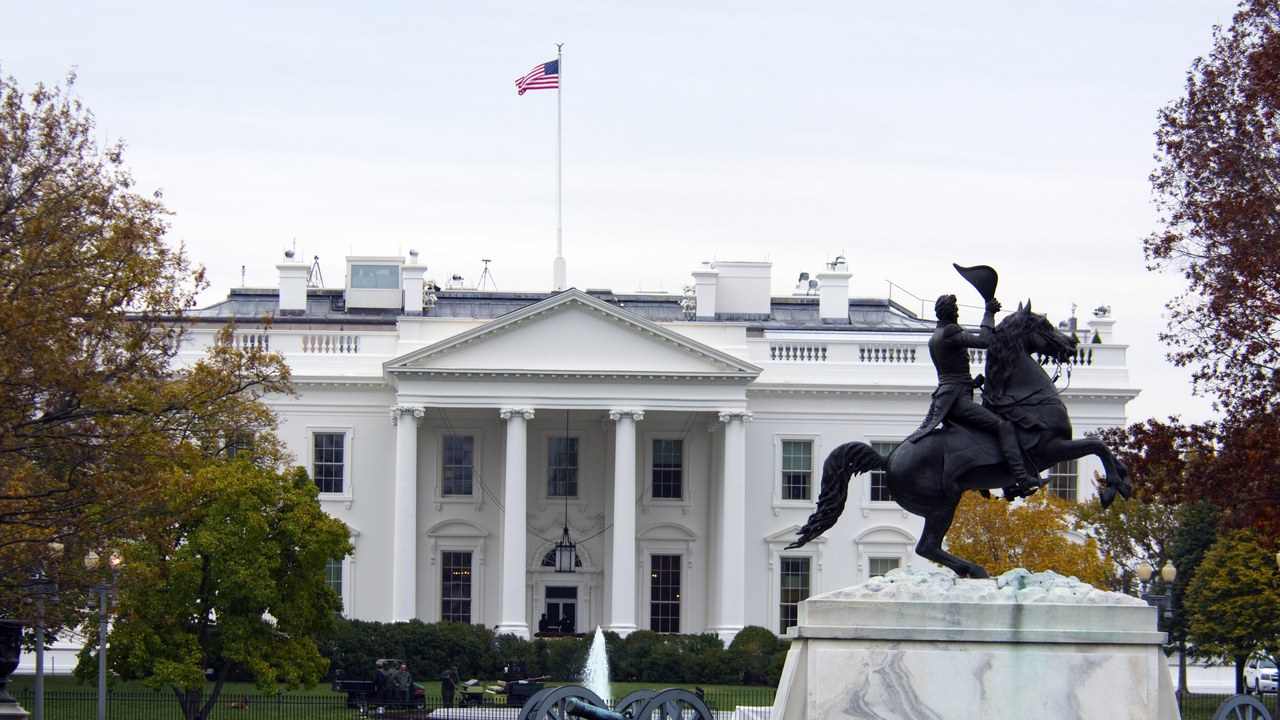
On September 10, 2026, the White House published a fact sheet announcing that the federal government will send $500 checks this fall to nearly 1 million Americans the administration says were overcharged on Affordable Care Act exchange plans. The announcement frames the money as a refund of fees built into Obamacare premiums, not a new benefit created by an act of Congress. For a household that pays the full listed price for an ACA plan every month with no subsidy attached, the origin of this money and the timeline for its arrival matter more than the headline figure.
A Refund Built From Obamacare’s Exchange User Fees
According to the fact sheet, the checks are funded by “user fees” that insurers pay to operate on the federal Affordable Care Act exchange. The administration says those fees were set high enough under the prior administration to fund exchange operations “far in excess of what was needed to run” the platform, with the surplus passed through to consumers in the form of higher premiums. The Centers for Medicare & Medicaid Services runs that federal marketplace, called the Federally-facilitated Exchange, for states that don’t operate their own; a separate CMS fact sheet on exchange program integrity describes the agency’s broader effort over the past year to tighten oversight of enrollment and eligibility on that same platform, though it makes no mention of this refund.
The White House fact sheet puts the total surplus at “hundreds of millions” of dollars, translating into a $500 check for each person in the group it defines as eligible. The document quotes President Trump saying “the government is going to pay the money directly to you,” rather than through an insurance company, framing the checks as a break from what the administration calls mismanagement of the exchange’s finances. The fact sheet does not include a total dollar figure for the surplus, a state-by-state breakdown, or the name of the account the checks would be drawn from.
Free retirement updates: Social Security and Medicare change every year, and nobody sends you a memo. Our free Retirement Shield newsletter breaks down what changed and what to do. Get it free in your inbox.
Why No Payment Page Exists Yet
As of this writing, neither CMS nor HealthCare.gov, the two agencies that would normally administer a payment tied to federal exchange coverage, has published an implementation page, an application, or a claims process for these checks. The premium tax credit that most exchange enrollees already know from filing taxes is a defined program with its own HealthCare.gov glossary entry and IRS reconciliation form. Nothing comparable exists yet for this refund. That gap doesn’t mean the checks won’t go out. It means the fact sheet is, for now, the only public document describing them, and there is no form to fill out, no link to click, and nothing a reader needs to do to be considered for one.
The fact sheet says checks will begin going out “beginning in October 2026,” which leaves only a few weeks between the announcement and the stated start date for an agency to build a distribution system. Past one-time federal payments of comparable scale, including the pandemic-era Economic Impact Payments, generally took months rather than weeks to move from announcement to an operating system with published eligibility rules.
Who The Fact Sheet Says Qualifies
The eligibility description in the announcement is narrower than “everyone on Obamacare.” The fact sheet limits the refund to people who “do not receive premium assistance” and who therefore “paid the full cost” of coverage, and only in the 30 states that rely on the federal exchange rather than running their own marketplace. That framing excludes the large share of exchange enrollees who receive an advance premium tax credit that lowers their monthly bill, a subsidy CMS has separately reported now reaches a majority of the more than 23 million people enrolled through ACA exchanges nationwide.
The fact sheet also ties the refund to broader claims about the exchange’s finances, citing the Working Families Tax Cuts Act and describing new eligibility verification requirements the administration says are aimed at reducing improper enrollment on the federal platform. Whether either of those separate policy changes has any direct connection to the size of the $500 figure is not explained in the document.
An Announcement, Not Yet an Operating Program
The fact sheet sits alongside a separate White House effort, the Great Healthcare Plan, which calls on Congress to act further on drug prices, premiums, and insurer transparency. Pairing an already-decided action with an aspirational one in the same release is a pattern this administration has used before on health policy. Nothing in the fact sheet states that Congress has appropriated new money for this specific refund, and no bill number, executive order, or agency regulation is cited as its legal basis.
For now, the accurate description of the $500 checks is a White House announcement of an intended payment tied to a specific dollar amount, a specific population, and a specific month, not a program with a claims process a reader can act on today. Anyone in one of the 30 federal-exchange states who does not receive premium assistance has reason to watch for guidance from CMS or HealthCare.gov before October, since the fact sheet remains the only document describing how, or whether, the payment will actually reach mailboxes.
This article was produced with AI assistance and reviewed by a human editor. Figures are linked to their primary sources; where a claim could not be verified from the public record, we say so.
More Financial Reading