Most of a home’s natural gas bill has nothing to do with the price of the gas itself. Federal data published August 31, 2026 show the residential price of natural gas averaged $24.09 per thousand cubic feet in June 2026, while the wholesale citygate price, what a local utility actually paid to receive that same gas, was $5.38. The $18.71 difference is delivery: the pipes, meters, fixed charges and margin a utility adds on top of the gas to move it the last mile into a house.
What actually shows up on a residential gas bill
The Energy Information Administration’s Natural Gas Monthly tracks prices at several points along the supply chain, from the wellhead where gas is produced, to the citygate where a local utility takes delivery, to the residential price a household is ultimately billed. In June 2026, the national average residential price was $24.09 per thousand cubic feet, covering 97.1 percent of residential natural gas deliveries nationwide.
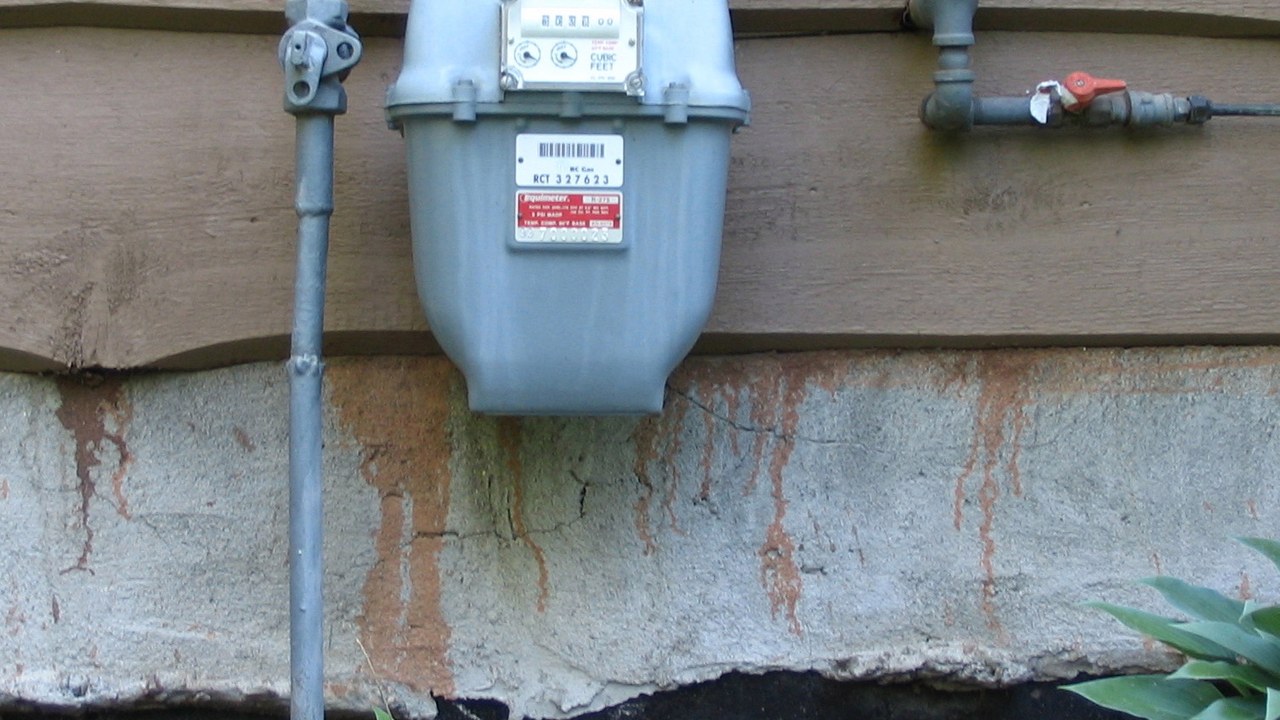
That $24.09 figure isn’t the price of the gas. It’s the price of the gas plus everything a utility charges to get it the rest of the way to a house: the distribution network, metering, billing, customer service and a regulated return. Commodity cost and delivery cost are bundled into one number on most residential bills, which is part of why the gap between wholesale and retail gas prices is so easy to miss.
Free retirement updates: One number can cost or save hundreds a month in retirement. The free Retirement Shield newsletter surfaces the ones worth knowing. Sign up free.
The wholesale price of gas is a fraction of what households pay
The citygate price, the point at which a distributing utility receives gas from a pipeline, averaged $5.38 per thousand cubic feet in June 2026, according to EIA’s national natural gas price table. That’s less than a quarter of the $24.09 residential price for the same month. The citygate number is the closest thing EIA publishes to a pure commodity cost, before a local utility adds its own charges for moving that gas the rest of the way.
Citygate is a specific, defined point in the supply chain. EIA’s glossary describes it as the measuring station where a distributing gas utility takes delivery from a pipeline or transmission system. Everything priced after that point, on the way into a home, is what gets layered on top of the $5.38.
Why delivery costs $18.71 more than the gas itself
Subtract the $5.38 citygate price from the $24.09 residential price and the difference is $18.71 per thousand cubic feet. EIA’s own definitions and notes for this price series describe the residential figure as reflecting distribution costs, including a utility’s pipes and meters, on top of whatever it paid for the gas at the citygate.
Fixed charges are a big part of that gap by design. Utilities bill every residential customer a set monthly fee to stay connected to the system, regardless of how much gas is used, and that fee gets folded into the total whenever a price-per-unit figure is calculated. When a household uses less gas, as most do outside the winter heating season, the same fixed charge gets divided across a smaller volume, which pushes the price-per-Mcf figure up even if nothing about the utility’s actual costs changed.
Summer bills exaggerate the delivery share more than winter ones
June is a low-volume month for residential gas use in most of the country, since furnaces are off and the gas that does get used mostly runs water heaters, stoves and clothes dryers. That’s exactly the kind of month where the delivery share of the price looks largest, because the same fixed distribution costs are spread across far less gas than they would be in January or February.
That’s a seasonal pattern built into how the number is calculated, not a sign that gas delivery got more expensive in June specifically. A household comparing its own summer and winter gas bills side by side will typically see the price per unit fall in winter, even with no change in the utility’s rates, simply because more gas moves through the same fixed-cost pipes.
Commercial and industrial customers pay a far smaller delivery markup
The residential delivery premium is unusually large. EIA’s June 2026 data put the commercial price at $12.71 per thousand cubic feet and the industrial price at $4.37, both far closer to the $5.38 citygate price than the $24.09 residential figure. Commercial customers, who typically use far more gas per account than a single household, pay less delivery cost per unit simply because it gets spread across a much larger volume moving through each business’s own meter.
Industrial customers, who use gas in the largest volumes of the three, saw the smallest gap of all, paying just $4.37, barely above the citygate price. The citygate price itself moved around earlier in 2026, from $6.74 per thousand cubic feet in January down to $4.33 in April before climbing back to $5.38 in June, but even at its January peak it was still less than a third of the residential price in any month this year. The next Natural Gas Monthly update, due September 30, 2026, will show whether the residential delivery share starts narrowing as gas usage climbs into the fall heating season.
This article was produced with AI assistance and reviewed by a human editor. Figures are linked to their primary sources; where a claim could not be verified from the public record, we say so.
More Financial Reading