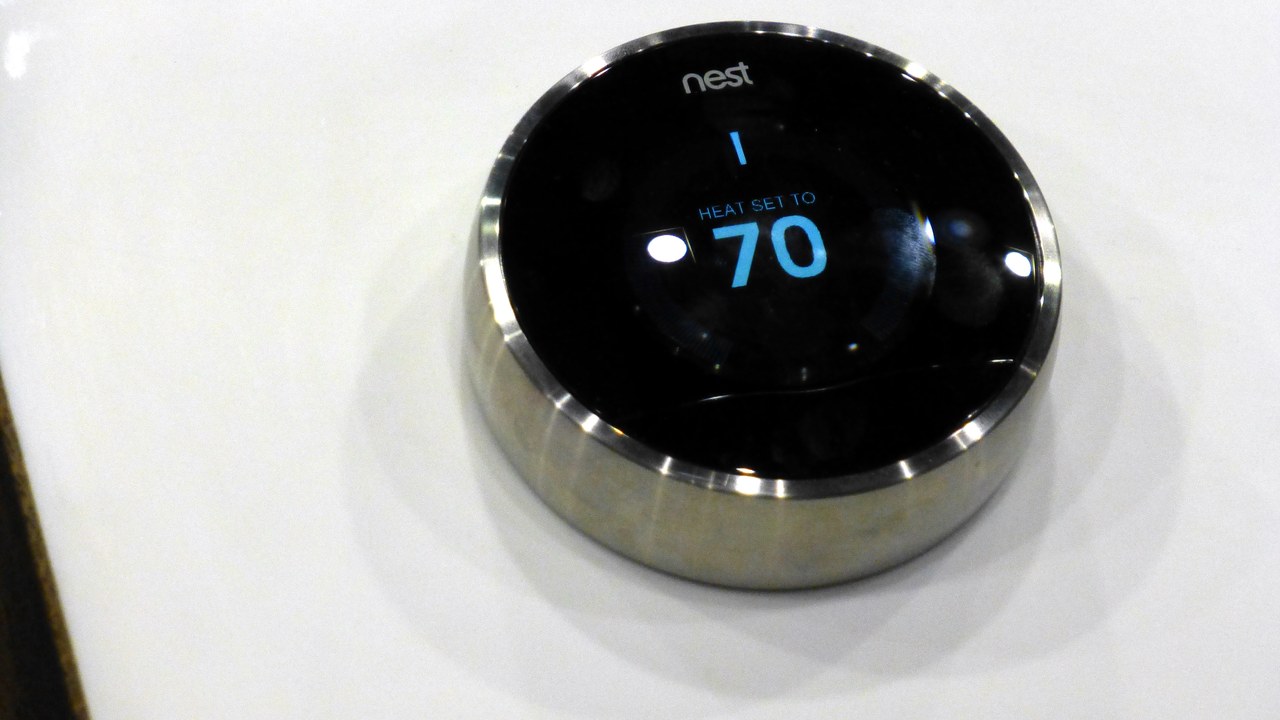
If you have shopped for a refrigerator, a heat pump, or a water heater lately, you know the efficient models often cost more up front even when they save money over time. There is federal help designed to close that gap, but it does not arrive as one national program with one set of rules. It flows through the states, and what you can actually claim depends heavily on where you live and on timing. That makes a little homework essential before you buy.
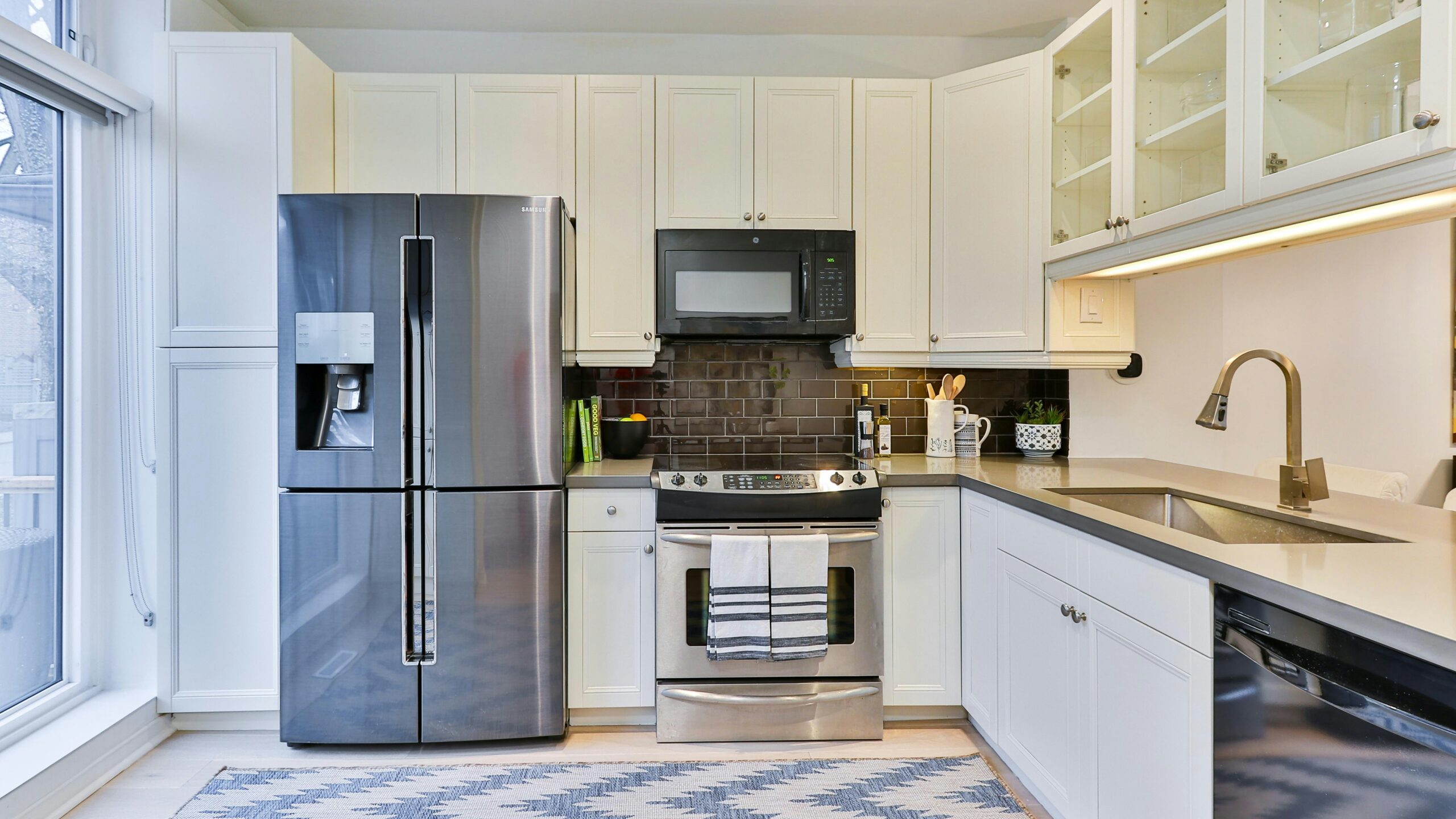
The main federal effort is the Home Energy Rebates program run by the U.S. Department of Energy, which sends money to state energy offices to operate their own rebate programs. The Department describes the framework on its Home Energy Rebate Programs page. Here is how to make sense of it.
Two rebate tracks
The federal program has two parts. One rewards whole-home efficiency improvements based on how much energy a project is projected or measured to save. The other offers point-of-sale rebates on specific high-efficiency electric equipment, such as heat pumps, heat-pump water heaters, and electric appliances, with larger amounts available to lower- and moderate-income households. The idea is that the discount can show up when you buy, not just as a check months later.
Why your state is what matters
Because each state designs and launches its own version, availability is uneven. Some states have programs up and running, others are still preparing to launch, and a few have seen their initial funding claimed and paused new applications. The rules about which appliances qualify, how much you get, and what income limits apply are set at the state level, so a rebate a neighbor received in another state may not exist, or may work differently, in yours.
Federal guidance has also shifted over time about exactly which upgrades qualify, including changes in 2026 to how the electric-appliance rebates treat certain fuel-switching projects. That is one more reason not to rely on an old article or a friend’s experience, and to confirm the current terms directly with your state before you count on a specific amount.
How to find what you qualify for
Start with your state energy office, which is the entity that actually runs the program where you live. The Department of Energy’s rebates page links out to state programs, and a search for your state’s name plus “home energy rebates” will usually land on the official page. Read the current status, the income limits, the list of eligible equipment, and whether the rebate is applied at purchase or claimed afterward.
It is also worth checking two other sources of savings that stack on top. Your local electric or gas utility often runs its own rebate programs for efficient appliances, independent of the federal money, and those can be combined in many cases. And the ENERGY STAR rebate finder at energystar.gov lets you enter your ZIP code to see utility and manufacturer rebates in your area.
Do not forget the tax credits
Rebates are not the only federal help. Separate from these state-run rebates, the tax code has offered credits for certain energy-efficient home improvements, claimed on your federal return rather than at the store. Rebates and tax credits are different mechanisms with different rules, and in some situations you can use both on the same project. Because the details and the availability of these credits can change with legislation, verify the current rules on the IRS website or with a tax professional before assuming a credit will be there.
The practical order of operations
Before you buy a big appliance, do this in order: check your state’s home energy rebate program for status and eligibility, check the ENERGY STAR rebate finder and your own utility for additional rebates, and check whether a federal tax credit applies. Keep every receipt and any required documentation, because these programs almost always demand proof of what you bought and, sometimes, proof of income.
The upshot is that real money is available to make an efficient appliance more affordable, but it is not automatic and it is not the same everywhere. Ten minutes confirming your state’s current program, before the purchase rather than after, is what turns a headline about federal rebates into an actual discount on your kitchen or utility room.
This article was produced with AI assistance and reviewed by a human editor. Figures are linked to their primary sources; where a claim could not be verified from the public record, we say so.