Somewhere out there may be a retirement account with your name on it: a 401(k) from a job you left in your thirties, or a small pension from an employer that later merged, moved, or went out of business. It happens more often than people think. Workers change jobs, plans change recordkeepers, mail goes to old addresses, and eventually nobody on either end knows how to find the other. The federal government now runs a search tool built for exactly this problem, and using it takes an evening, not a lawyer.
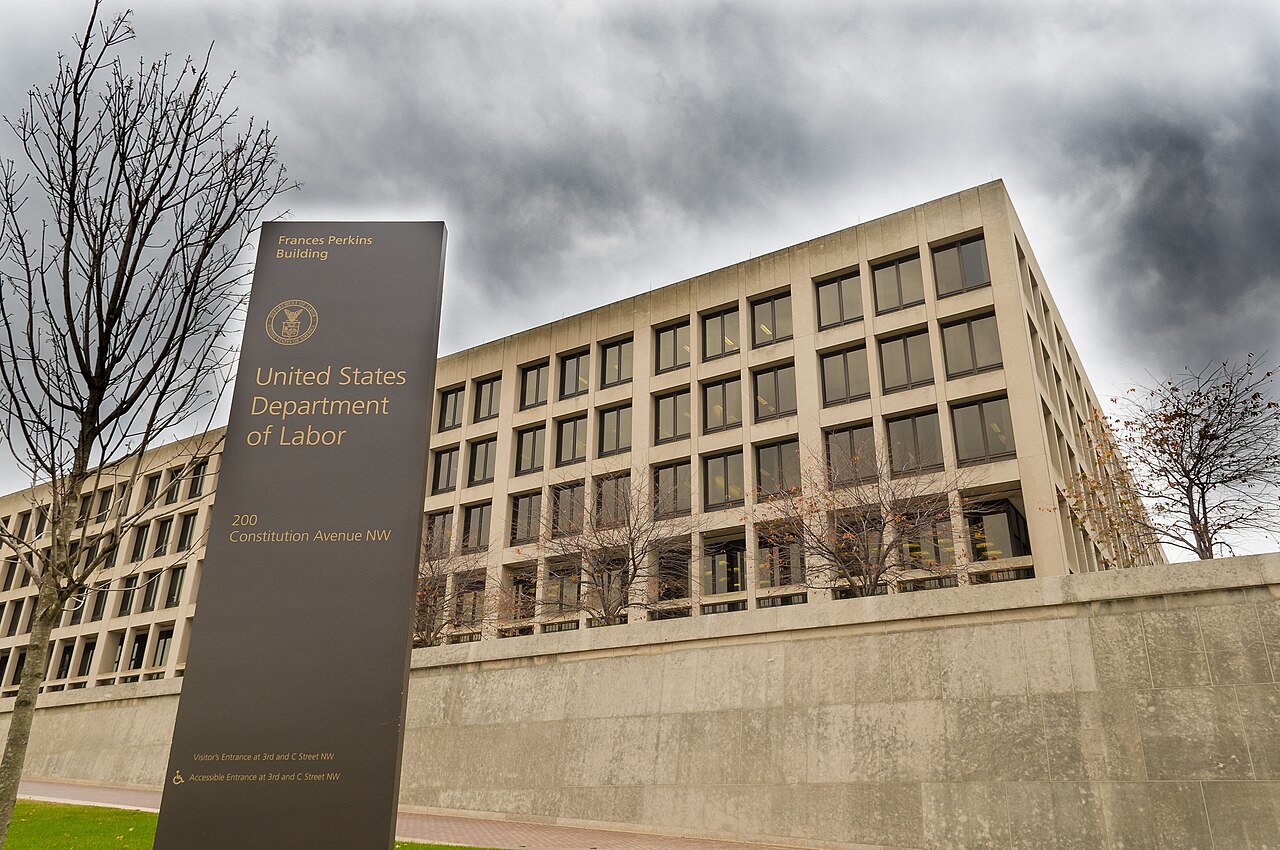
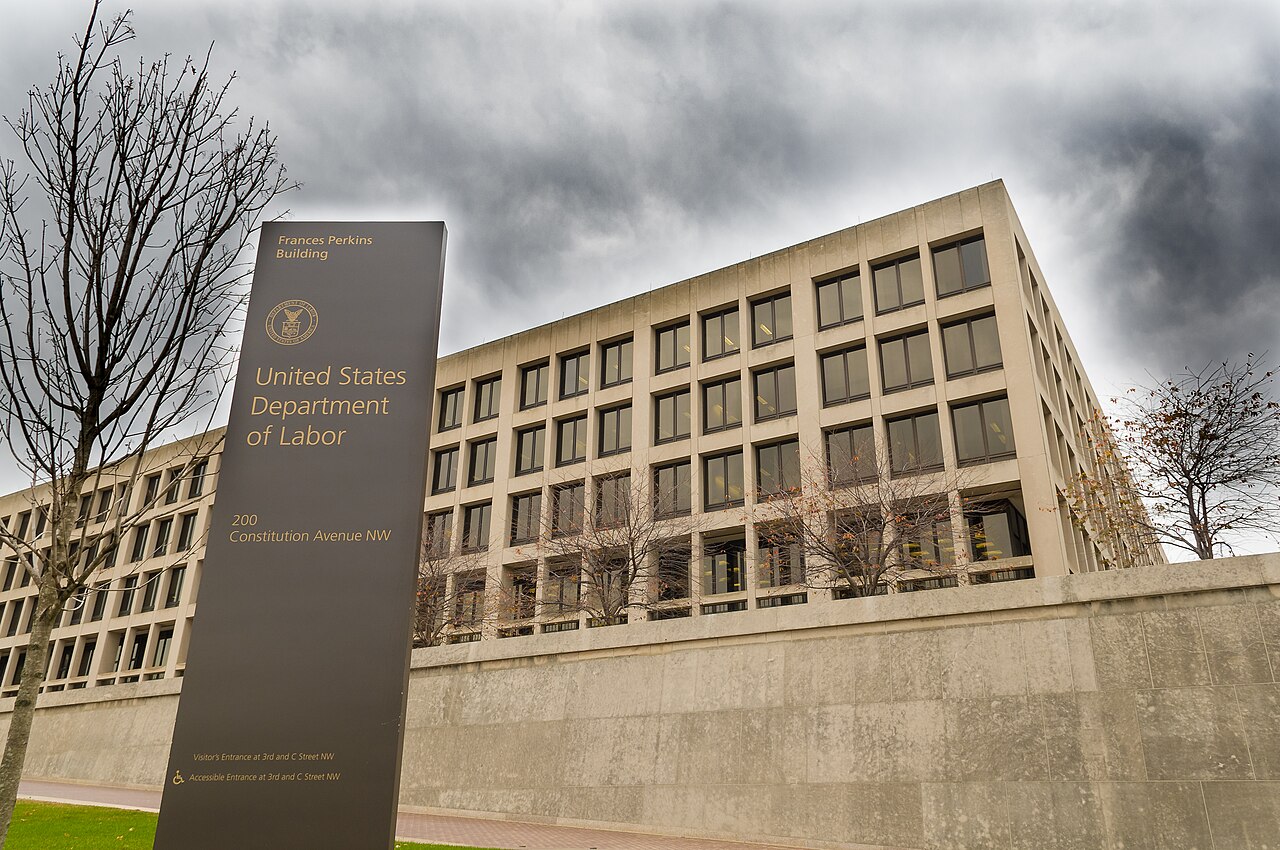
The tool is the Retirement Savings Lost and Found Database, run by the Department of Labor’s Employee Benefits Security Administration. Congress ordered it created in the SECURE 2.0 Act of 2022, and it serves as a central place to look for retirement benefits you may have earned and lost track of, along with contact information for the people who can actually pay them. If you have ever wondered whether an old employer still owes you retirement money, this is now the first place to check.
What the database can find
The database searches for retirement plans linked to your Social Security number that were sponsored by private-sector employers and unions. That covers both major flavors of workplace retirement money: traditional defined-benefit pensions, which promise a monthly payment or lump sum at retirement, and defined-contribution plans such as 401(k)s, where your own account grew during your working years. The Labor Department’s overview of plan types explains the difference if the terms are fuzzy.
Just as important is what it cannot find. The database does not cover IRAs, plans sponsored by government employers such as cities, states, school districts, or federal agencies, or plans of certain religious organizations that opted out of the federal pension law. It also has nothing to do with Social Security benefits. If your missing money is in one of those categories, you will need to go to the institution or agency that held it.
How to run a search
Because the search runs on your Social Security number, the government requires identity verification first. You need a Login.gov account that has been ID-proofed, which means providing your legal name, date of birth, and Social Security number, plus photos of the front and back of an active driver’s license or state ID. A mobile phone helps, though the site says a landline can work for part of the process. As of mid-2026 a state-issued ID is the only accepted document; the department says it is working on adding passports and military IDs.
Once you are verified, the process is short: sign in at lostandfound.dol.gov, re-enter your Social Security number, and click search. The site returns a list of retirement plans connected to your number, along with contact information for each plan’s administrator, the person or company legally responsible for managing the plan and paying the people it owes.
Two boundaries worth knowing. You can only search your own number, not a deceased spouse’s or parent’s, though the department says it is exploring that feature. And Labor Department staff cannot run a search for you; federal law restricts access to the verified account holder.
What a match actually means
A result in the database is a lead, not a check in the mail. It means you participated in that retirement plan at some point. The benefit may still be sitting there waiting for you, or it may have already been paid out, rolled into another account, or converted to an annuity years ago. Only the plan administrator can tell you whether money is still owed, so the next step is always the same: contact the administrator listed, verify your identity with them, and ask.
Be prepared for some stale contact information. Part of the database is built from decades of old government filings, and a record from 2005 will not know about a plan merger or a new administrator since then. The department says it is filling gaps with newer data collected directly from plans, but if a phone number is dead, that does not mean your benefit is. It means you keep digging, and you do not have to dig alone.
If the search comes up empty

An empty result does not prove nothing is owed to you, especially since employers’ reporting to the new database started out voluntary. Old-fashioned detective work still applies: dig out old account statements or W-2s, contact the human resources office of the former employer, and ask specifically for the retirement plan administrator. If the company is gone or you cannot find a working contact, an EBSA Benefits Advisor can help you locate the plan at no charge. You can reach one online at askEBSA or by calling 1-866-444-3272.
One more option on the site: if you would rather not have your information searchable at all, the database offers an opt-out form, no Login.gov account required.
The cheap insurance for your future self
The best fix is not needing the database at all. When you leave a job, decide on purpose what happens to the account: leave it and record the plan’s contact details somewhere permanent, roll it into your new employer’s plan, or roll it into an IRA. Then tell every old plan when you move. A forwarding order on your mail expires; a retirement account can sit unclaimed for decades. Twenty minutes of paperwork at each job change is what keeps your money from becoming someone’s database entry in 2050.
For now, though, the practical takeaway is simple. If there is any chance a former job still holds retirement money for you, or for the version of you from 25 years ago, spend the evening: verify at Login.gov, run the search, and make the phone call. The worst case is closure. The best case is finding money you earned and forgot.
This article was produced with AI assistance and reviewed by a human editor. Figures are linked to their primary sources; where a claim could not be verified from the public record, we say so.