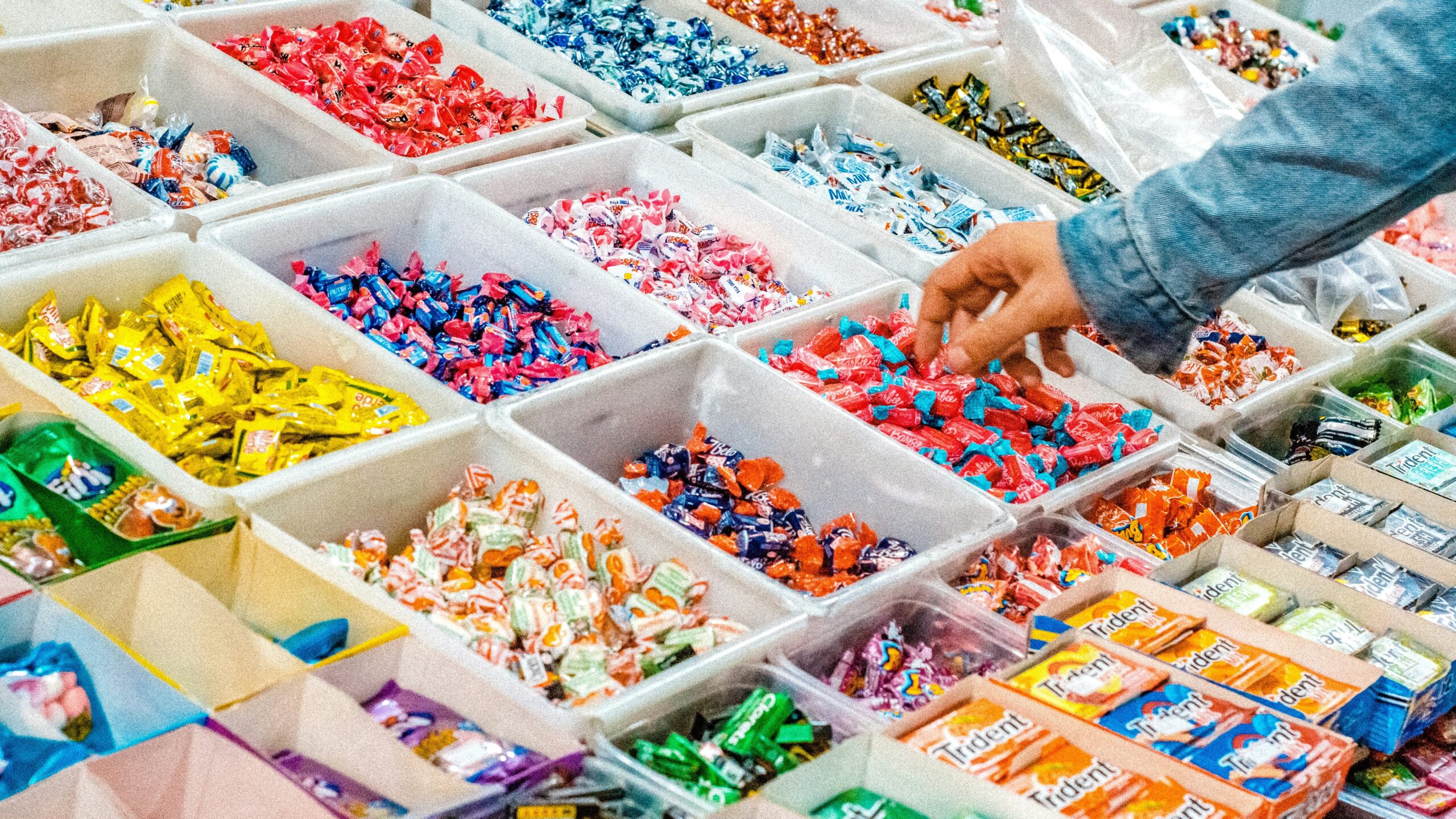
Colorado, Iowa, Nebraska, Tennessee and West Virginia all rolled out plans this year to stop food-stamp shoppers from using their benefits on soda and candy. A federal court in Washington threw out all five bans in June, and more than two months later, the U.S. Department of Agriculture’s own tracking page still shows the same result: blocked. If you use SNAP — still widely called food stamps — in any of those five states, soda and candy remain purchasable today, the same as a loaf of bread or a bag of rice.
The Order That Undid Five State Bans in One Ruling
On June 22, 2026, the U.S. District Court for the District of Columbia ruled in Aragon et al. v. Rollins et al., No. 1:26-cv-00861, that the USDA Food and Nutrition Administration’s approval of soda-and-candy purchase waivers in the five states could not stand. The court’s order directed that the agency’s approval “be vacated” and that “the waiver’s implementation may not proceed” — language that USDA’s own national waiver tracker still repeats today, word for word, next to each of the five affected states.
Coverage of the ruling at the time described two problems the court found with how USDA approved the waivers: it relied on a section of federal law meant for testing SNAP’s administrative efficiency, not for reshaping which foods participants can buy, and it skipped the 30-day public notice USDA’s own rules require before letting a state’s restriction begin. Neither of those defects has been fixed or appealed away as of this week, and USDA has not filed anything on its own site suggesting an appeal is pending.
That distinction matters for anyone trying to follow the back-and-forth in the news. This wasn’t a policy reversal USDA chose on its own, and it isn’t a temporary pause while paperwork gets sorted out. A federal judge found the agency’s legal basis for the restriction defective in all five states at once, and until USDA either wins an appeal or starts the approval process over correctly, the restriction it approved simply doesn’t exist on the books.
What USDA’s Own Retailer Notices Say
USDA didn’t just quietly drop the five waivers — it told grocery and convenience stores directly. The agency issued formal “Retailer Notice: Stop Implementing” bulletins for Iowa, Nebraska and West Virginia, instructing store owners to reverse any point-of-sale blocks on the previously restricted items and go back to ringing up soda and candy on SNAP benefits as they always had. Colorado and Tennessee carry the identical court-order language directly on USDA’s national waiver map rather than a separate retailer PDF, but the practical instruction is the same: nothing is restricted in those five states right now, and stores that still block these purchases are working off outdated guidance.
Each of those three retailer notices is short and direct — a page or two telling a cashier’s back office exactly which items to unblock and when the change took effect. They don’t hedge or describe the ruling as under review. They tell retailers, in plain terms, to stop enforcing a restriction that no longer has legal footing.
Free retirement updates: Social Security and Medicare change every year, and nobody sends you a memo. Our free Retirement Shield newsletter breaks down what changed and what to do. Get it free in your inbox.
Which Five States Are Affected, and What Was Supposed to Change
The five blocked waivers weren’t identical. Colorado’s approval targeted soft drinks only. West Virginia’s targeted soda alone. Tennessee’s was broader, covering soda, energy drinks and candy together. Nebraska’s waiver started with soda, soft drinks and energy drinks, with candy scheduled to join on November 1, 2026 — a date that, under the current order, can’t take effect. Iowa’s was the widest of the five: it would have restricted essentially any item Iowa’s own Department of Revenue classifies as a taxable food, not just a named list of sodas and sweets. All five are paused at the same starting line, regardless of how far along each state’s rollout had gotten.
What This Means at the Checkout Counter Today
If you’re on SNAP in Colorado, Iowa, Nebraska, Tennessee or West Virginia, your benefits work the way SNAP has worked nationally for years: soda and candy are still eligible food items, same as any other grocery purchase, because no waiver changing that is currently in effect in your state. If a cashier or a store’s register system still flags one of these items as blocked — some retailers were slow to update their systems after the earlier rollout — that’s a store-level holdover, not a rule you’re required to follow, and it’s worth pointing the clerk to the relevant retailer notice above for your state.
This status can change again. USDA could appeal and win, or a state could resubmit a narrower waiver that actually clears the notice-and-comment process the court said was skipped the first time around. Nothing on USDA’s site or in public court filings points to either of those happening yet. Until one of them does, treat the ban in your state as paused, not pending — there’s no countdown clock attached to it, and no announced date when it’s expected to come back.
It’s also worth knowing what didn’t change. This ruling didn’t touch anything else about how SNAP works day to day — your benefit amount, your recertification schedule, and the rest of the eligible food list are all unaffected. The only thing this order reaches is the narrow list of items these five states had singled out.
The Waivers Still Standing in Other States
This ruling only touches the five states named in the lawsuit. USDA’s tracker separately lists more than a dozen other states with approved soda-or-candy restrictions that were never part of this case and remain untouched: Arkansas, Florida, Idaho, Indiana, Louisiana, Oklahoma, Texas and Utah have already implemented theirs, while Ohio, Montana, Virginia, North Dakota, South Carolina, Missouri, Kansas, Hawaii, Nevada and Wyoming have waivers approved on a rolling schedule that runs into 2028. If you shop in one of those states, the restriction on your benefits is real, already in force or coming on a published date, and entirely separate from this case.
USDA’s page carrying all of this — last updated August 25, 2026, more than two months after the ruling — remains the single place to check your own state’s actual, current status rather than relying on a headline from June. A state name on that list without the vacatur language next to it means the restriction is live; a state with the court-order language, like the five here, means it isn’t, no matter what a store sign or an older news story might still say.
This article was produced with AI assistance and reviewed by a human editor. Figures are linked to their primary sources; where a claim could not be verified from the public record, we say so.
More Financial Reading