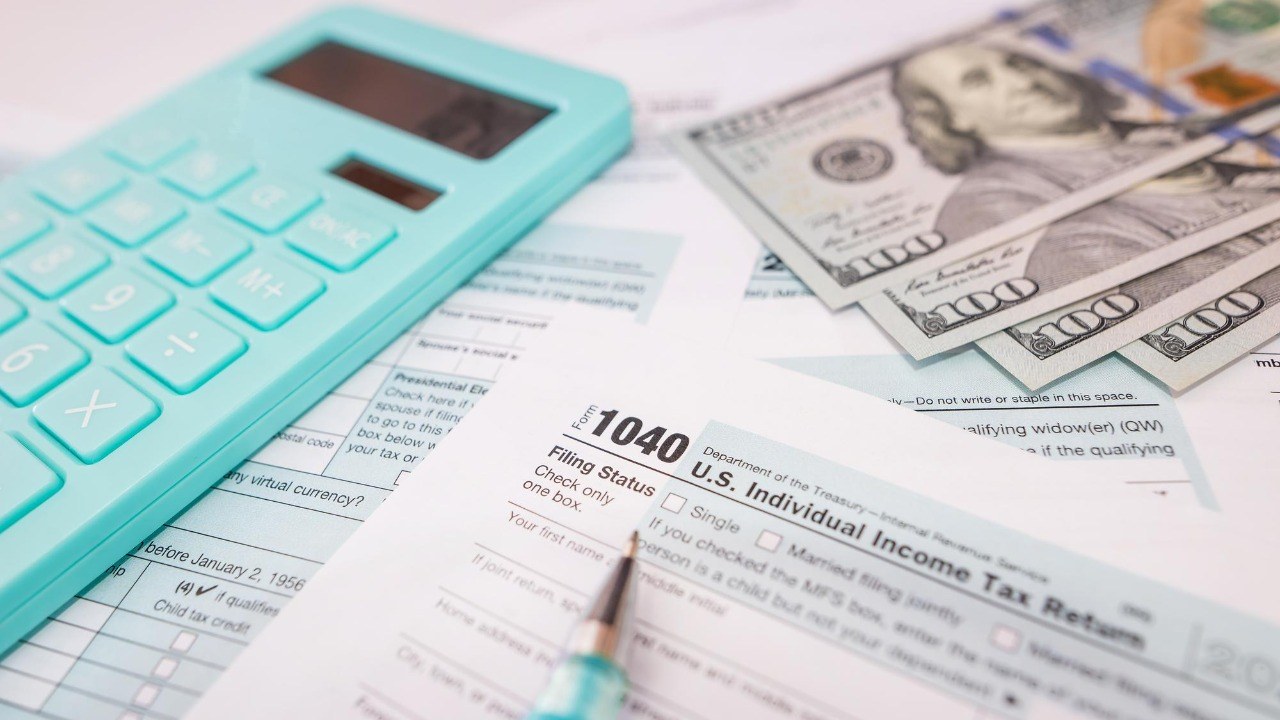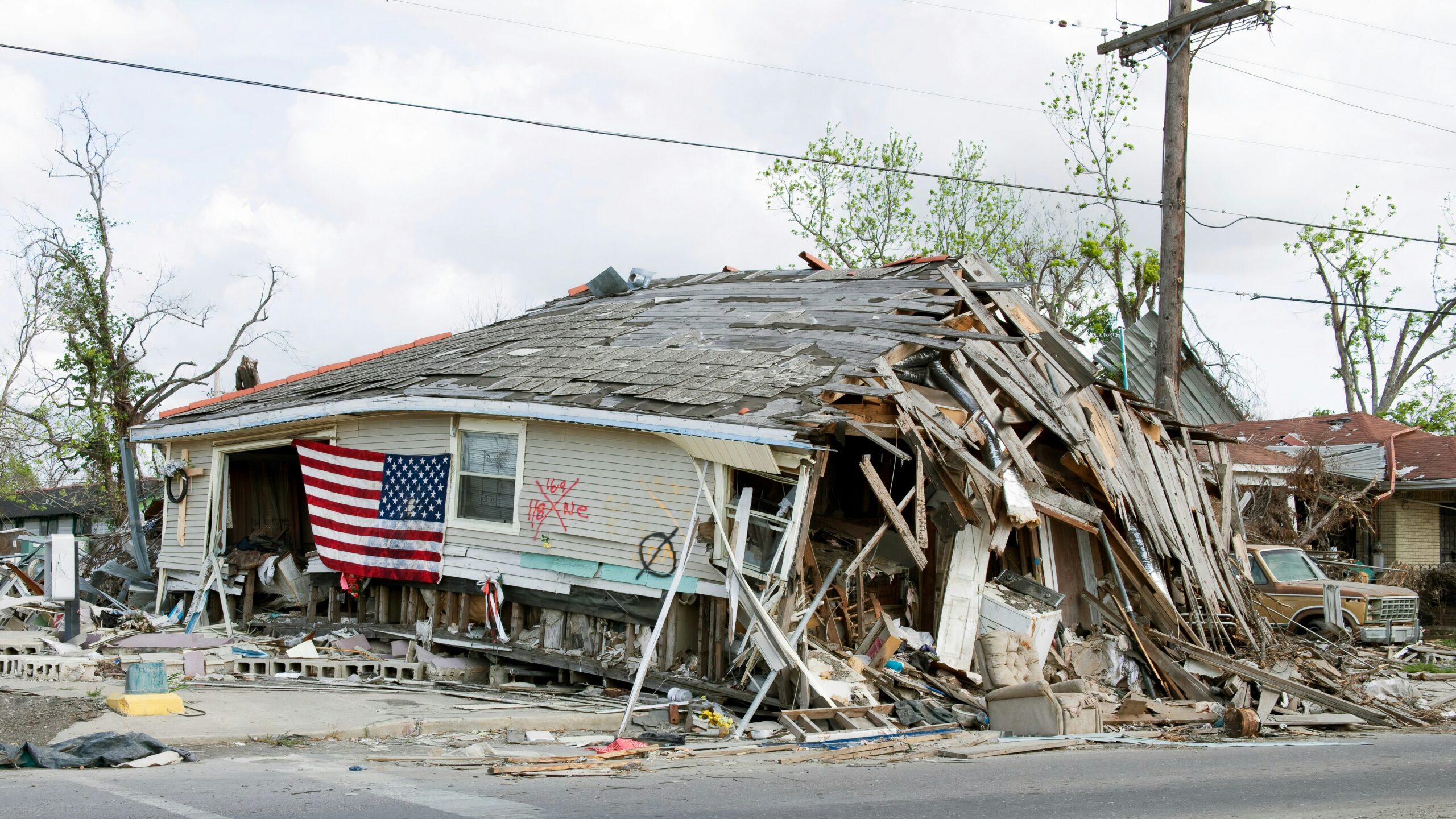
The Internal Revenue Service opened National Preparedness Month with a specific instruction for taxpayers: photograph and video what a household owns before a wildfire, flood, or hurricane takes it. In a September 3 announcement, the agency said that recovering after a disaster, filing an insurance claim, and claiming a tax benefit for lost property all depend on records gathered in advance, not on memory after the fact. The reminder lands as wildfire season and the back half of Atlantic hurricane season both remain active.
The advice carries a practical edge for anyone who might have to prove a loss later. Without documentation showing what was owned and roughly what it was worth, a legitimate casualty loss can be hard to substantiate on a federal return, and the benefit tied to that loss can effectively disappear along with the property itself.
IR-2026-104 Tells Households to Document Property Before, Not After, a Disaster
The IRS reminder, released as IR-2026-104, ties directly into National Preparedness Month. It tells individuals, businesses, and tax professionals to build or update an emergency plan, protect key documents, and know in advance where to find IRS disaster relief resources. IRS Chief Executive Officer Frank Bisignano framed it as a precaution for every household, not just those in high-risk zones, saying preparing now “can make a real difference when a disaster strikes.”
The centerpiece of the guidance is documentation: photos or videos of a home, a business, and vehicles, taken before anything happens, to support both an insurance claim and a tax-related loss claim afterward. The agency points households and small businesses toward its own disaster loss workbooks — Publication 584 for personal-use property and a companion version for business property — which walk through a room-by-room list of belongings, furniture, and equipment so a loss can be reconstructed later even if the paperwork that normally proves it burned or washed away with everything else.
Free retirement updates: Enrollment and claim windows come and go, and missing one can cost real money. The free Retirement Shield newsletter keeps readers ahead of the deadlines that matter. Sign up free.
Waterproof Storage and Electronic Backups Round Out the Checklist
Beyond photographing property, the IRS recommends keeping tax returns, birth certificates, Social Security cards, insurance policies, and property titles in waterproof and fireproof containers, so the originals survive a fire or flood that a filing cabinet would not. It also recommends scanning paper records and saving electronic copies to a secure device or cloud storage, noting that many financial institutions already provide statements electronically, which removes one layer of paper that could otherwise be lost.
On the tax-records side specifically, the agency points to its Individual Online Account as a way to access tax information, including transcripts and notices, without waiting for a mailed copy. A household that loses its paper return in a disaster can still pull that history digitally once it has access to the account, which matters if a lender, an insurer, or the IRS itself later asks for prior-year income documentation.
Disaster Tax Relief Is Automatic — Only for Addresses Inside the Covered Area
When the IRS formally grants disaster tax relief for a specific event, certain filing and payment deadlines that fall inside a postponement period get pushed back to a later relief deadline. That relief is generally automatic for taxpayers whose IRS address of record sits inside a covered disaster area; those households do not need to contact the agency separately to receive it.
The gap is for people whose address of record is outside the disaster area but whose tax records are physically located inside it — a household that evacuated before a wildfire, for instance, or a small business with records stored at a second location. Those taxpayers have to call the IRS Special Services Hotline at 866-562-5227 to request the same relief, since the automatic trigger is tied to the address on file rather than to where the records actually sat.
The Casualty Loss Deduction Now Reaches Only Federally Declared Disasters
The IRS reminder also points households toward Publication 547, Casualties, Disasters, and Thefts, for the rules on claiming uninsured or unreimbursed losses on a federal return. Under current law, that path is narrower than it used to be: for tax years beginning after 2017, a personal casualty or theft loss is deductible only when it is attributable to a federally declared disaster, not to an ordinary house fire, a burst pipe, or an isolated theft unconnected to a declared event. That limitation, put in place by the 2017 tax law, remains the controlling rule for 2026 returns.
Even a loss that qualifies still runs through reductions — a $100-per-casualty floor and a further reduction equal to 10% of adjusted gross income — unless it counts as a qualified disaster loss tied to certain major federally declared disasters, which carries different treatment. The upshot is that the photographs and workbooks the IRS is promoting now do not create a deduction on their own; they only make it possible to prove one when the underlying event actually qualifies.
Businesses Get Their Own Preparedness List, From Payroll Bonds to EFTPS
The reminder also carries a business-specific checklist. Employers that use a third-party payroll service provider are told to confirm whether that provider carries a fiduciary bond, since a disaster that disrupts a payroll vendor can otherwise leave a business unable to verify that tax deposits were actually made on its behalf. Eligible business taxpayers can use a Business Tax Account to view balances, make payments, and check payment history, and businesses already enrolled in the Electronic Federal Tax Payment System can keep using EFTPS for federal tax payments without interruption.
For business property specifically, the IRS points to Publication 584-B, a workbook built to help reconstruct losses on office furniture, information systems, vehicles, supplies, buildings, and equipment after a disaster, casualty, or theft — the same room-by-room logic as the personal-property workbook, applied to a business’s own assets.
This article was produced with AI assistance and reviewed by a human editor. Figures are linked to their primary sources; where a claim could not be verified from the public record, we say so.
More Financial Reading