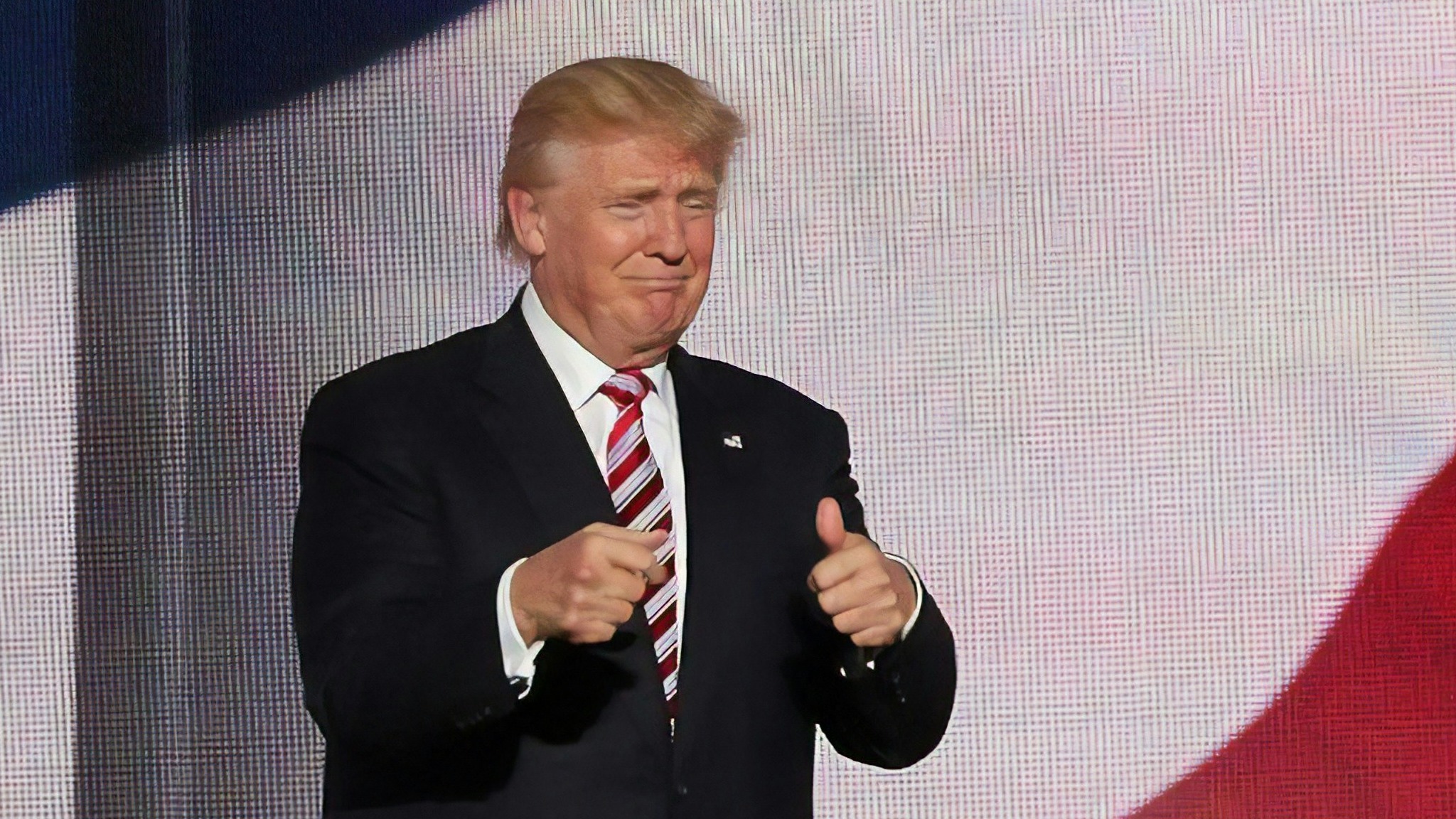
The federal government wants to put a hard ceiling on what Wall Street can charge to manage the retirement-style savings accounts it opened for millions of American children. Under a proposed regulation from the Treasury Department and the Internal Revenue Service, money sitting in a child’s Trump Account could only go into a stock index fund with annual fees and expenses of no more than 0.1 percent of the account balance — a cap far below what many actively managed funds charge. For a household watching a child’s account grow over 18 years, fund costs at that level would leave far more of every dollar invested instead of skimmed off in management fees.
The proposal is not final. It is a public rulemaking with a comment period still open, and the verbs matter: this is what Treasury and the IRS are proposing, not what has been enacted.
What the Proposed 0.1 Percent Fee Cap Would Require
Treasury and the IRS issued the proposed regulations on Aug. 20, 2026, as IR-2026-96. Under the proposal, an “eligible investment” for a Trump Account generally would be a mutual fund or exchange-traded fund that tracks an equity index made up primarily of U.S. companies — the S&P 500 is the example the agencies cite — does not use leverage, and carries annual fees and expenses of no more than 0.1 percent of the balance invested in the fund. A fund tracking an index with at least 90 percent U.S.-company weighting would qualify for a safe harbor under the rule.
That threshold is tight by industry standards. Many index funds already price below it, but a large share of actively managed mutual funds and target-date products charge several times that amount. If the rule is finalized as proposed, a trustee offering investment choices inside a Trump Account would need to screen out anything pricier or more leveraged than the cap allows.
Free retirement updates: One number can cost or save hundreds a month in retirement. The free Retirement Shield newsletter surfaces the ones worth knowing. Sign up free.
The Growth Period Runs From Birth Through Age 17
The fee cap and index-tracking requirement would apply only during what the proposed rule calls the “growth period” — the stretch from when a beneficiary’s Trump Account is first opened through Dec. 31 of the calendar year in which that child turns 17. After that window closes, the eligible-investment restrictions would no longer apply, and the account would generally shift to the broader investment menu already available to a standard traditional IRA once the account holder is an adult.
Trump Accounts function as a new type of traditional IRA created for U.S. children under 18 with a Social Security number, held in the child’s name with a parent or guardian serving as custodian, according to the Securities and Exchange Commission’s investor-education site. The narrow, low-cost investment lineup during childhood is meant to keep the accounts simple and cheap to run for close to two decades before a young adult ever has to make an active investment decision.
What Happens When a Family Doesn’t Pick a Fund
The proposed regulations also spell out a default. If an account beneficiary — in practice, the parent or guardian acting as custodian — does not affirmatively select one of the eligible investments a trustee offers, the funds in the Trump Account would automatically be invested during the growth period in an eligible investment chosen by the trustee. In other words, inaction would not leave the money sitting in cash; it would land in a low-cost index fund that already meets the proposed 0.1 percent ceiling.
The proposal also lays out the compliance mechanics on the other side of the transaction: it sets rules for how a trustee determines whether a given fund actually qualifies as an eligible investment, and what procedures a trustee must follow to keep account funds inside that eligible-investment lane throughout the growth period.
Formalizing Guidance That Was Already Informally in Place
This is not the government’s first word on what Trump Accounts can hold. The proposed regulations build directly on Notice 2025-68, interim guidance the IRS issued in December 2025 while the account program was still being stood up. Investor.gov currently describes investment options in Trump Accounts as “limited to low-cost mutual funds or ETFs that track broad U.S. equity indices (such as the S&P 500)” — language that lines up with the general shape of the new proposal. What the August proposal adds is a specific, numeric ceiling — 0.1 percent — rather than a general instruction to keep costs low, along with the formal safe harbor and trustee-compliance procedures needed to enforce it.
Treasury announced the full nationwide launch of the Trump Accounts app on July 4, 2026, giving families a way to view balances, set recurring contributions and track a child’s account from a phone, according to a Treasury Department press release. For U.S. citizens born between Jan. 1, 2025, and Dec. 31, 2028, the government makes a one-time $1,000 pilot-program payment into the child’s account, and the release noted more than 50 companies had committed to add their own employer contributions on top of that.
The Comment Window Closes October 20
Because this is a proposed rule and not a final one, Treasury and the IRS are taking public comments through Oct. 20, 2026, before deciding on the final version. The proposal states it would generally apply to tax years beginning on or after Jan. 1, 2026, but that effective date depends on the rule being finalized — public comments could still change specific terms of the fee cap, the safe-harbor threshold or the default-investment mechanics before that happens.
For a family that has already opened a Trump Account and started contributing, the immediate practical picture does not change while the comment period runs: the interim, low-cost-index guidance already in effect continues to govern where the money sits. What the proposal previews is a firmer, numerically defined floor under those costs once — and if — Treasury and the IRS make it final.
This article was produced with AI assistance and reviewed by a human editor. Figures are linked to their primary sources; where a claim could not be verified from the public record, we say so.
More Financial Reading