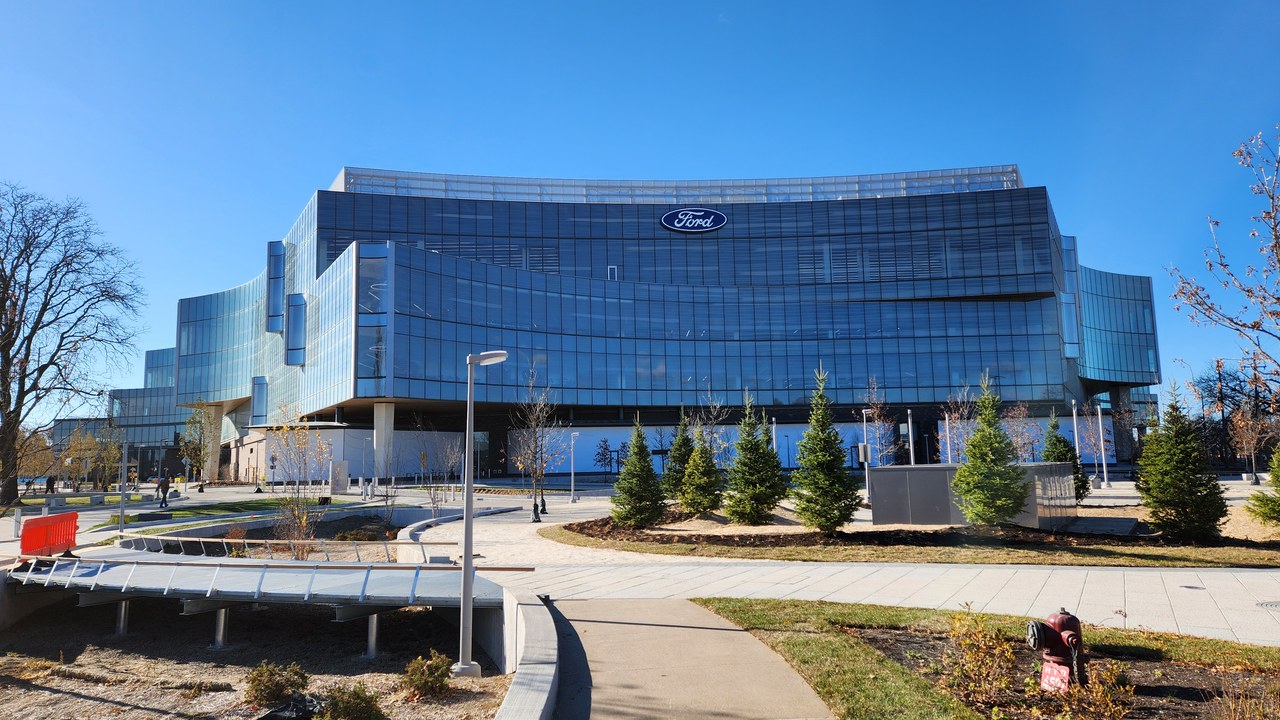
The U.S. Equal Employment Opportunity Commission announced this week that Ford Motor Company has agreed to pay $2.3 million to resolve a years-long harassment investigation tied to its stamping plant near Buffalo, New York. Investigators found reasonable cause to believe workers there were exposed to racist and ethnically targeted graffiti in bathrooms and break rooms, and the resulting agreement was built so affected employees, including people no longer on Ford’s payroll, can seek a share of that money. For anyone who worked shifts at that plant over the past several years, the case is a reminder that a workplace harassment charge filed with a federal agency can still turn into a real payout long after the underlying conduct was reported.
What the EEOC Found Inside Ford’s Buffalo Stamping Plant
The case traces back to a charge filed with the agency in 2021. In its September 1 announcement, the EEOC’s New York District Office said its investigation found reasonable cause to believe Ford personnel at the Buffalo Stamping Plant subjected numerous employees to harassment and discrimination based on race and national origin. Investigators documented graffiti targeting Black employees and workers of Native American and Hispanic origin, found in several employee areas throughout the plant, including bathrooms and break rooms.
The EEOC says conduct like that violates Title VII of the Civil Rights Act of 1964, the federal law that bars workplace discrimination and harassment based on race and color. Rather than filing a lawsuit, the agency and Ford went through the EEOC’s pre-litigation conciliation process, which produced the agreement announced this week instead of a court judgment.
Free retirement updates: Want plain-English help keeping more of your money in retirement? The free Retirement Shield newsletter covers the benefits, deadlines, and money mistakes that cost retirees, a couple times a week. Subscribe free.
How the $2.3 Million Reaches Eligible Workers, Including Former Employees
The conciliation agreement sets aside $2.3 million in monetary relief for a class of eligible claimants connected to the Buffalo plant. The money is not limited to people currently employed there. The EEOC is directing anyone who worked at the facility during the relevant period, and who believes they experienced race- or national-origin-based harassment, including exposure to the graffiti described in the investigation, to reach out to the agency’s Buffalo local office for details on the claims process. The EEOC has not published a fixed filing deadline in its announcement, which means the current step for a former Ford worker who thinks they may qualify is simply to make contact and ask where their situation stands, not to wait for a mailed notice.
The agency also frames its role narrowly: this is a claims process run out of a conciliation agreement, not a class-action lawsuit with a court-supervised claims administrator. That is a meaningful difference for household budgeting purposes. There is no guaranteed check amount disclosed per worker, no confirmed payout date, and no public list of who qualifies. What is confirmed is that the channel to ask is open right now.
Ford’s Own $3.5 Million Response and Three Years of EEOC Reporting
Separate from the settlement money going to workers, Ford says it has already spent more than $3.5 million at the Buffalo plant on security upgrades and anti-graffiti coatings. Bryce Currie, Ford’s chief manufacturing officer, is quoted in the EEOC’s release saying the company invested in upgraded surveillance, graffiti-repellant coatings on restroom surfaces, and a stricter graffiti reporting and removal protocol, and that those steps have already reduced reported graffiti at the plant. Ford’s statement frames the spending as voluntary, undertaken while the EEOC investigation was ongoing rather than after a court order.
The agreement layers an ongoing obligation on top of that spending. For the next three years, Ford must post information explaining its anti-graffiti protocol at the plant, run regular training there, and report back to the EEOC about any discrimination complaints or graffiti incidents. That reporting requirement is what keeps the agency involved after the settlement check is paid, and it gives workers still on the floor a documented channel if the conduct recurs.
Why the EEOC Settled Instead of Suing, and What That Means for a Worker’s Rights
Conciliation is a specific step in the federal charge process, not an informal handshake. Before the EEOC can sue an employer over a Title VII charge, the law requires the agency to first attempt to resolve the matter through conciliation. When that process succeeds, as it did here, the result is a binding agreement rather than a lawsuit, and the underlying facts are typically not tested in open court. The EEOC’s own description of that process, and of how a worker starts a charge in the first place, is laid out on its charge-filing guidance page, which explains what evidence an agency investigation weighs and what happens after a charge is filed.
For a Ford employee, current or former, who never filed anything but recognizes the plant and the timeframe described in the release, this settlement does not require having gone through that filing process personally. The agency’s own outreach, through its Buffalo office, is the mechanism built to catch people in that position. Kimberly Cruz, the EEOC’s regional attorney for the New York District, is quoted in the release making the broader point that discriminatory graffiti, posters, GIFs or memes are all treated the same way under the law regardless of whether they appear on a wall or a phone screen used at work, which is the standard the agency applied in reaching its reasonable-cause finding at the Buffalo plant.
This article was produced with AI assistance and reviewed by a human editor. Figures are linked to their primary sources; where a claim could not be verified from the public record, we say so.
More Financial Reading