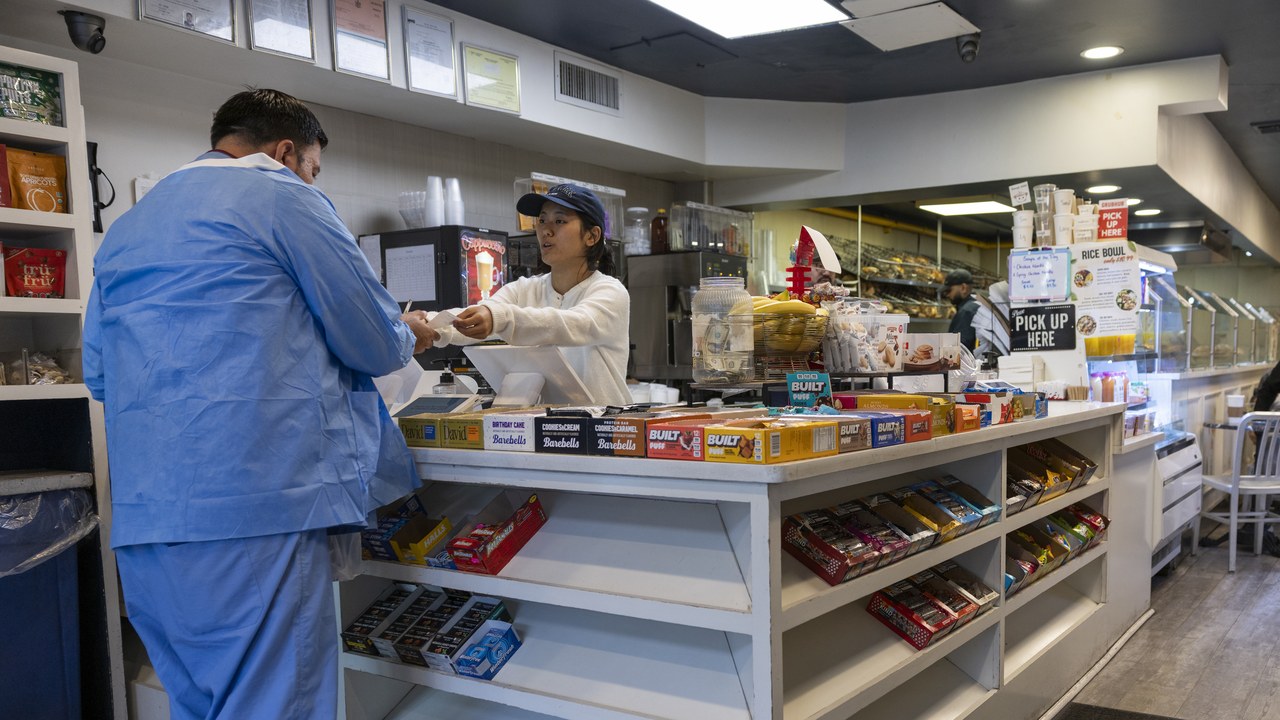
Shoppers picking up a bottle of Canadian rye or a block of imported cheddar this week are paying more than they were a month ago, and it happened because a three-day negotiating window quietly ran out. A 50 percent duty on Canadian alcoholic beverages, dairy products and motor vehicles took effect at 12:01 a.m. Eastern on August 22, after the White House pushed the original start date back from August 19 to give trade talks a final chance. Those talks stalled, and the tariff has been collecting at full strength ever since.
The three-day delay that didn’t stick
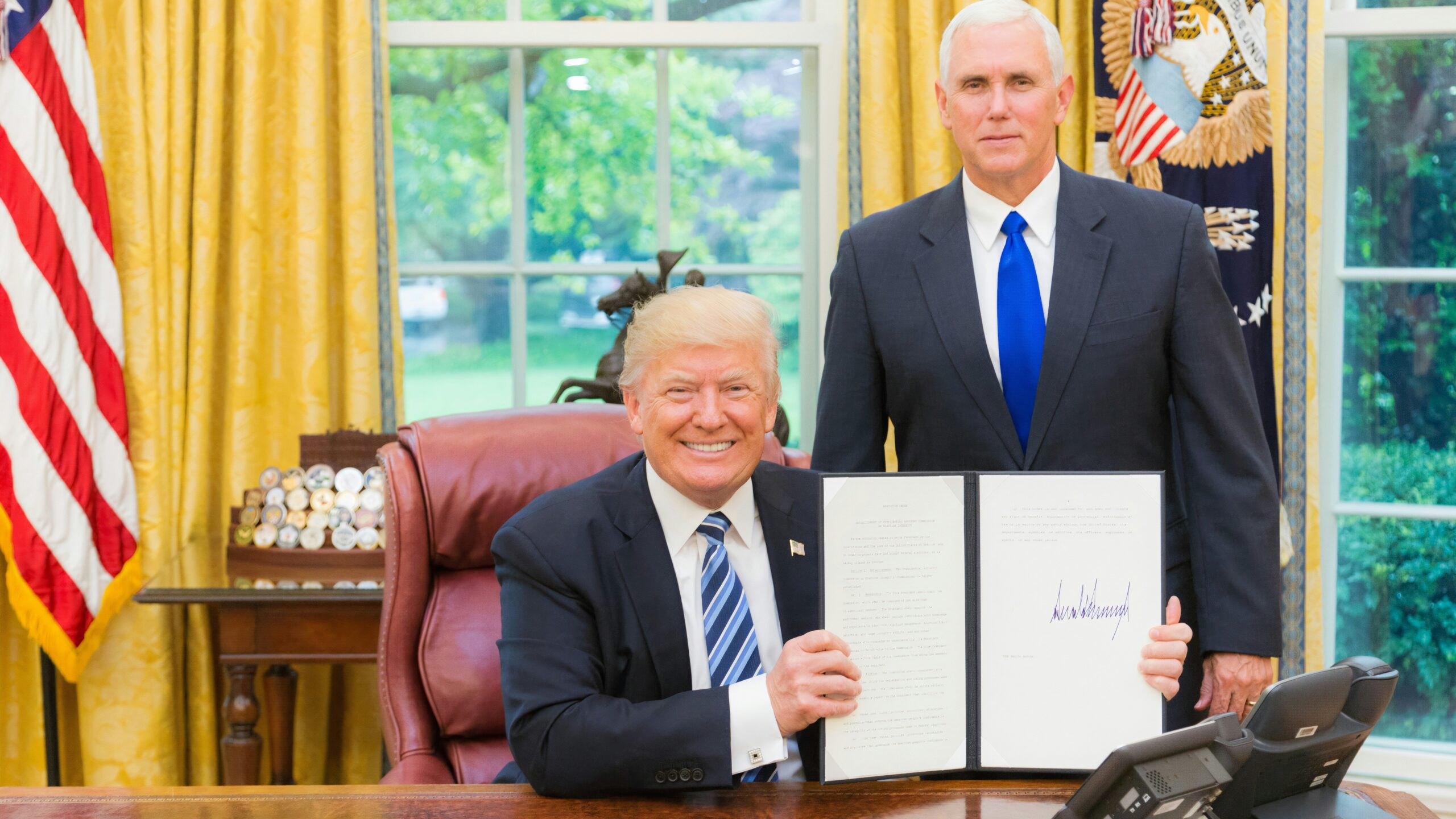
The duties trace back to three separate proclamations the administration signed on July 20, 2026, each accusing Canada of discriminating against U.S. commerce in a specific sector: banning the purchase and retail of U.S. alcoholic beverages, restricting U.S. cheese through tariff-rate quotas, and running a motor-vehicle tariff scheme judged unfair to American exporters. Those proclamations set an August 19 start date. Then, on August 18, the administration issued a fourth proclamation delaying that start by three days, explaining that senior officials believed Canada had “expressed a commitment to remove the discriminations” and that a short pause served the public interest while negotiations continued.
The pause did not lead to a deal. According to reporting on the standoff, Canadian Prime Minister Mark Carney’s government suspended its side of the talks and pulled its negotiating team, and the tariff took effect exactly as rescheduled, at the start of August 22.
Free retirement updates: Enrollment and claim windows come and go, and missing one can cost you real money. The free Retirement Shield newsletter keeps you ahead of the deadlines that matter. Sign up free.
What the 50 percent duty actually covers
The scope is broader than the headline categories suggest. According to the Customs and Border Protection guidance implementing the proclamations, the dairy annex covers cheese and casein products but also reaches sugar-containing goods and some nonalcoholic beverages, while the motor vehicle annex is the largest of the three and pulls in a range of parts and components that are not obviously automotive at first glance. The alcoholic beverages annex, alongside beer, wine and spirits, also touches certain wood and paper products. Anyone assuming the tariff is a narrow tax on a six-pack of Canadian beer or a case of imported cheddar is underestimating how many store-shelf categories the three proclamations actually reach.
Where the money goes, and where it might come back
Section 338 of the Tariff Act of 1930, the 1930 statute the administration invoked, caps this kind of duty at 50 percent and requires it to be tied to an actual finding that a foreign country is discriminating against U.S. commerce. The same proclamation that set the August 22 start date also instructs Customs and Border Protection to process refunds if the underlying legal basis for the duty is later invalidated or the proclamation is revised, so the money collected is not automatically permanent even once it is paid. That refund mechanism matters for importers footing the bill up front, though it does little to help a shopper who already paid a higher price at checkout in the meantime.
Why a car lot is affected along with a liquor aisle
Pairing cars with liquor and cheese in one tariff action looks odd until you look at how Section 338 works: it is not a single-industry tool, it is a response to a list of specific complaints against one trading partner, applied sector by sector. The administration filed separate discrimination findings against Canada’s alcohol retail rules, its dairy quota system and its motor vehicle tariff structure, and each finding got its own proclamation and its own annex of covered products. That is why a household cross-shopping a used Canadian-built vehicle, a Canadian whisky and a wedge of imported cheese can run into the same 50 percent add-on three separate times in one afternoon of spending, even though the products have nothing else in common.
What to watch next
The three-day suspension is now a closed chapter, but the proclamation’s own text leaves the door open to another one: the administration can suspend, revoke or amend Section 338 duties on Canada again “whenever the President deems that the public interests require such action.” With no rollback in place as of this week and Canada’s negotiating team reportedly still on hold, the safest assumption for a household budget is that the current 50 percent rate holds until either side announces a specific change, not that the August 22 start date was the end of the story.
The statute itself also puts a ceiling on how long this can run without a fresh review. Section 338 caps additional duties at 50 percent, meaning the rate cannot simply climb higher if talks stay frozen; it can only be extended, narrowed, or lifted. For a household budgeting around a specific purchase, whether that is a bottle for a holiday gathering, a wedge of imported cheese for a family dinner, or a used vehicle shopped across the border, that ceiling is one of the only fixed points in an otherwise fluid negotiation. Prices on the covered categories are unlikely to climb further on this particular tariff, even if the political standoff between Washington and Ottawa drags on past Labor Day.
This article was produced with AI assistance and reviewed by a human editor. Figures are linked to their primary sources; where a claim could not be verified from the public record, we say so.
More Financial Reading