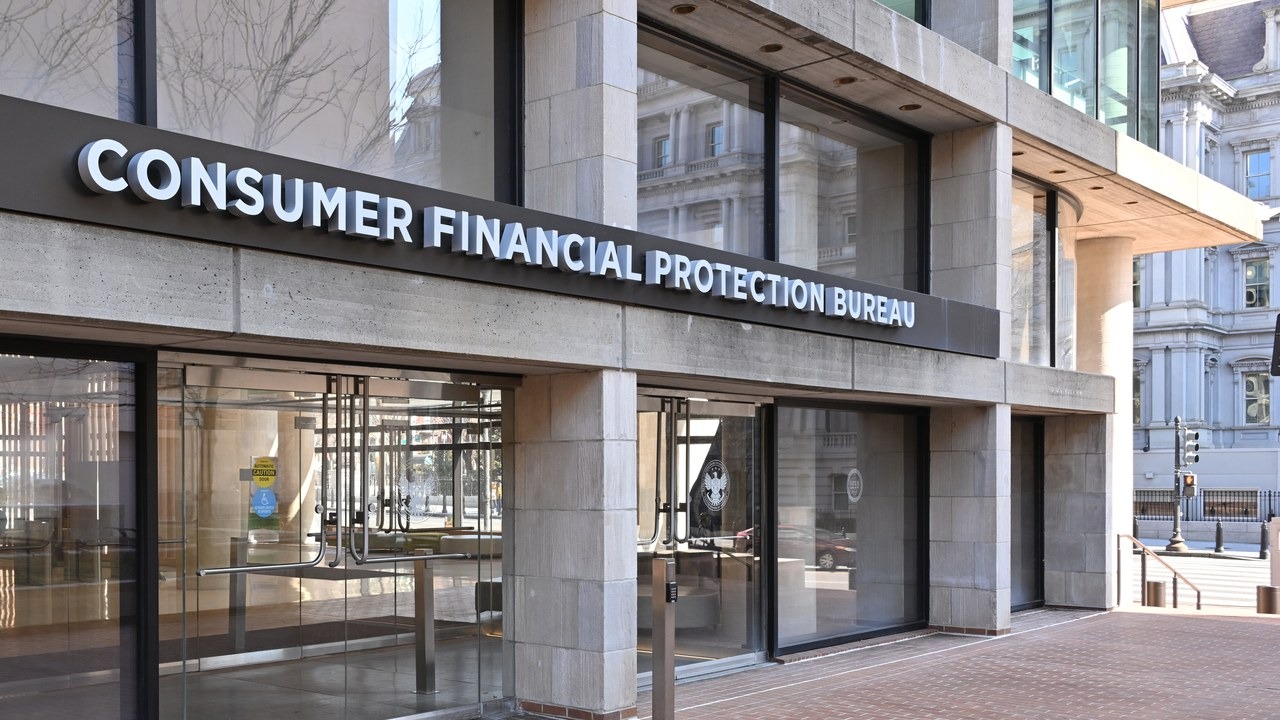
The Consumer Financial Protection Bureau said on August 14, 2026, that it would stop posting the written descriptions people submit about their banks, credit card companies, and debt collectors, along with the charts built from that text. The change ends a practice that dates back more than a decade, when the bureau first let consumers share their side of a dispute alongside the basic facts of a complaint. It does not touch the part of the system a household actually relies on: filing a complaint, having it sent to the company, and getting a response on the record.
What the bureau actually turned off
The bureau has always treated this piece of the Consumer Complaint Database as optional. Publishing a complaint’s free-text narrative, and the charts and maps drawn from a batch of narratives, was never a legal requirement, only a practice it started in 2015, and one that required the consumer’s consent and a scrub of personal details before anything went online. Going forward, a complaint submitted with a public narrative will not add a new narrative to the searchable tool.
In a notice posted to its newsroom, the CFPB said it would cease its discretionary publication of consumer complaint narratives and the data visualizations built from them, effective the day of the announcement. The bureau says it is treating narratives already online as public record, moving them into its Freedom of Information Act reading room rather than leaving them in the interactive database.
Free retirement updates: Want plain-English help keeping more of your money in retirement? The free Retirement Shield newsletter covers the benefits, deadlines, and money mistakes that cost retirees, a couple times a week. Subscribe free.
What still shows up when you search a bank
The database itself is not going away. The bureau’s own Consumer Complaint Database page still describes complaints being published with the company’s name, the product involved, the state, the date received, and whether the company answered on time and how — the structured fields a person could use to see how often a specific bank turns up and what kind of problem people reported about it. What disappears is the paragraph a consumer wrote describing what actually happened, plus the maps and charts built from those paragraphs. A complaint sent to a company is still eligible for publication once the company responds or 15 days pass, whichever comes first, and the bureau says the database still updates daily and remains downloadable in full.
Why the bureau says the narratives had to go
The bureau’s stated reasoning is about one-sidedness, not accuracy of the underlying complaint counts. A narrative “reflects negative consumer experiences and present only one side of an issue,” the bureau wrote, and the complaint process “does not verify the allegations in each consumer’s complaint narrative, nor can it, as a practical matter.” The bureau’s own database page makes a related point: the collection “is not a statistical sample of consumers’ experiences in the marketplace,” so a spike in narratives about one company was never proof that company was worse than a competitor with fewer complaints, only that more people wrote in. Because of that gap, the bureau argues, publishing the narrative text risked giving readers a distorted picture of a company’s conduct rather than a representative one, while exposing companies to reputational harm from claims nobody had checked.
Checking a bank before you sign up, without the narratives
For a person deciding where to open a savings account, refinance a car loan, or hire a debt collector to stop calling, the narratives were one of the few free tools that let a reader see specific, first-person accounts of what went wrong with a particular company. That option is gone from the public interface, but the underlying complaint history is not: the structured record of how many complaints a bank drew, what they were about, and how the company responded is still searchable and downloadable from the same database, and the bureau still produces an annual report to Congress built from that aggregate data. Every state also runs its own complaint channel for banks and financial companies operating there, usually through a state banking department or the attorney general’s office, and the CFPB keeps a list of state banking regulator contacts for anyone who wants a second, state-level complaint history to check alongside the federal one.
Filing a complaint against a bank still works the same way
None of this changes what happens when someone files a new complaint today. The bureau’s online complaint form still routes a complaint to the company involved, and the bureau says it will keep collecting, monitoring, and responding to complaints, reviewing how complete and timely each company’s response is, and sharing complaint information with other federal and state regulators. A person who files still gets whatever response the company sends back on the record — that response simply will not sit in public view next to another customer’s narrative about a similar problem.
The bureau’s own announcement also makes clear the older narratives are not being deleted outright: it is moving them into its Freedom of Information Act reading room, the same public-domain treatment it says the Federal Trade Commission applies to comparable material, so the paragraphs already online do not disappear — they move off the interactive search tool a household would normally use to compare one bank against another.
This article was produced with AI assistance and reviewed by a human editor. Figures are linked to their primary sources; where a claim could not be verified from the public record, we say so.
More Financial Reading