Some retirees are opening their Social Security statements this year to find a chunk missing, taken to pay down a federal student loan that went into default decades ago. That is legal under current rules, and it restarted after a long pandemic pause. Now a group of senators wants to end the practice outright with new legislation, though it is only a proposal at this stage and would have to clear Congress before anything changes.
What Sanders announced on August 17
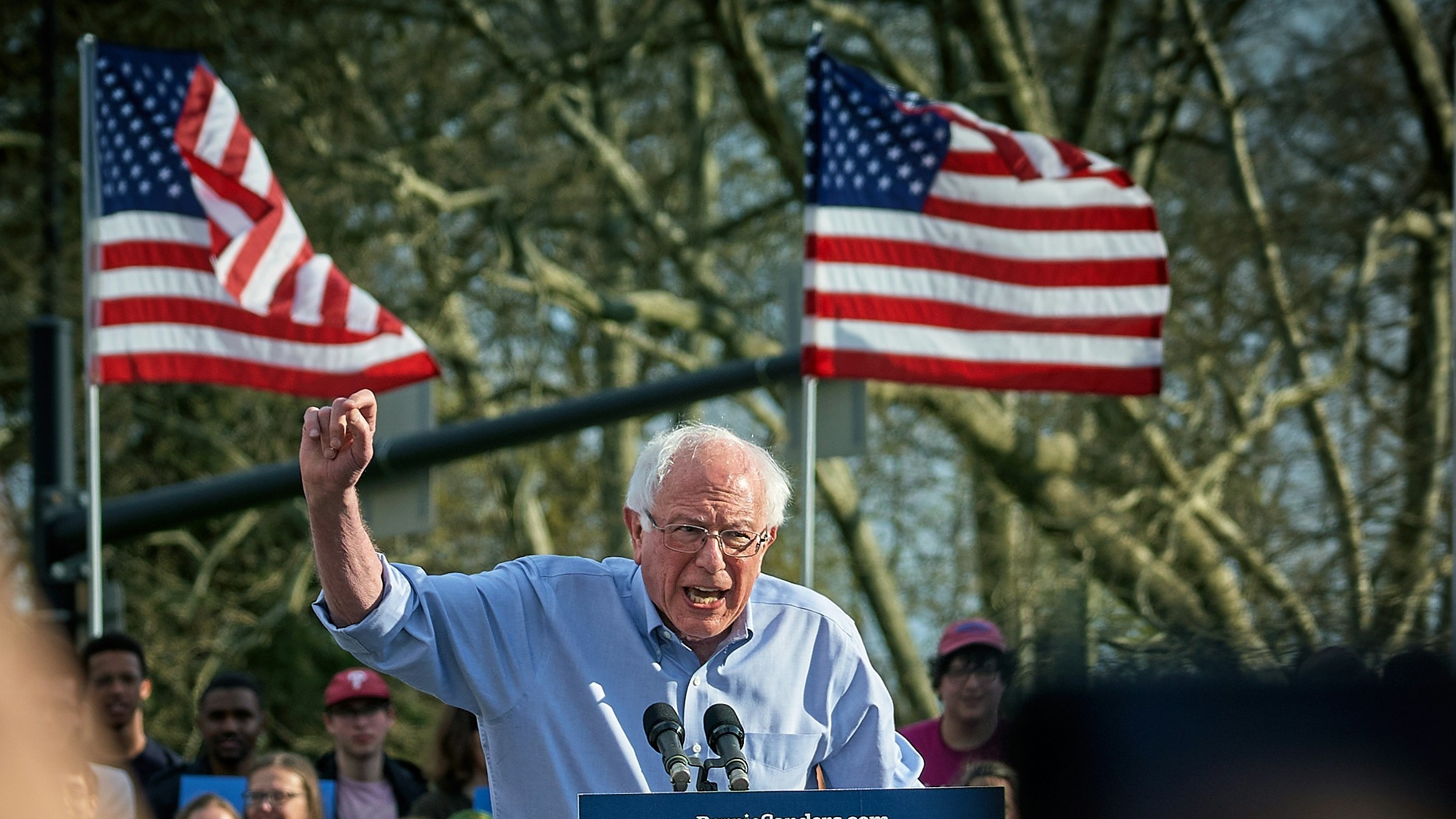
On August 17, 2026, Sen. Bernie Sanders announced the Stop Social Security Garnishment Act of 2026, saying it will be formally introduced in September when the Senate reconvenes. Sens. Elizabeth Warren and Ed Markey are signed on as co-sponsors. The measure would amend Title IV of the Higher Education Act, adding a new Section 493E that bars any Social Security payment from being offset to collect a defaulted federal student loan. It is important to be precise here: this is a bill that has not yet been introduced, let alone passed, so nothing about a retiree’s check changes because of the announcement alone.
The mechanism the bill would use is narrow but direct. By writing the protection into Section 493E of the Higher Education Act, the sponsors would carve Social Security payments out of the pool of income the government can reach to collect a defaulted federal loan. The senator’s office lays out the plan in its press release.
Free retirement updates: A quiet rule change can shrink your Social Security or Medicare check, and no one warns you. The free Retirement Shield newsletter catches these early and tells you what to do. Get it free.
The current law the bill is trying to change
The backdrop is not a proposal, it is the rule in force right now. After the pandemic-era pause on collections ended, the government resumed pursuing defaulted federal student loans in 2026. Through the Treasury Offset Program, it can withhold up to 15% of a monthly Social Security benefit to recover that debt, while leaving the beneficiary with at least $750 a month. So a retiree drawing a modest benefit can see it trimmed by a meaningful amount long after they left school, and the offset continues until the debt is resolved. The figures on the 15% cap and the $750 floor were reported by NBC News.
How many people this reaches
The scale of the exposure is what gives the bill its urgency. NBC’s reporting puts the number of Social Security recipients who could face garnishment at about 452,000. Sanders’ office frames the broader problem as even larger, saying more than 9 million borrowers are now in default on federal student loans. Those two figures describe different pools: the 9 million is everyone in default, while the 452,000 is the slice of that group who draw Social Security and could see their benefit tapped. Not every defaulted borrower collects Social Security, and not every Social Security recipient with student debt will be offset, but the overlap is where older Americans on fixed incomes feel it most. Losing 15% of a check that is already the household’s main income source can force hard choices between the pharmacy, the electric bill, and groceries.
Why the offset hits fixed incomes so hard
For a working-age borrower, a wage garnishment is painful but often temporary, ending when the debt clears or the job changes. A Social Security offset lands differently because the benefit is frequently the largest or only source of monthly cash, and there is no raise or overtime to make up the gap. Retirees also have fewer years ahead to recover, so a reduced check can reshape a budget that was built around the full amount. That is the argument the bill’s sponsors are making: that retirement and disability benefits were meant as a floor under older and disabled Americans, and collecting old education debt out of that floor undercuts the purpose. Supporters of continued collection counter that the loans are still legally owed and that the law already shields a minimum monthly amount, currently the $750 floor, so the benefit is never taken in full.
What a borrower can do while the bill is only a proposal
Because the legislation has not passed, anyone already facing an offset has to work within today’s rules rather than wait for relief that may not come. The proposal still has to be introduced in September, move through committee, pass both chambers, and be signed before it could take effect, and many bills never complete that path. Borrowers in default generally have options that exist independent of the bill, such as loan rehabilitation or consolidation to get out of default, or requesting a review if they believe the debt or the offset is wrong. A plain-language explainer of the proposed ban and how it interacts with current collection practice is available from The College Investor. The honest bottom line for now is that the 15% offset remains the operating rule, the $750 monthly floor is the only automatic protection, and whether that changes depends entirely on what Congress does with a bill that, as of late August, had not yet been introduced.
This article was produced with AI assistance and reviewed by a human editor. Figures are linked to their primary sources; where a claim could not be verified from the public record, we say so.
More Financial Reading