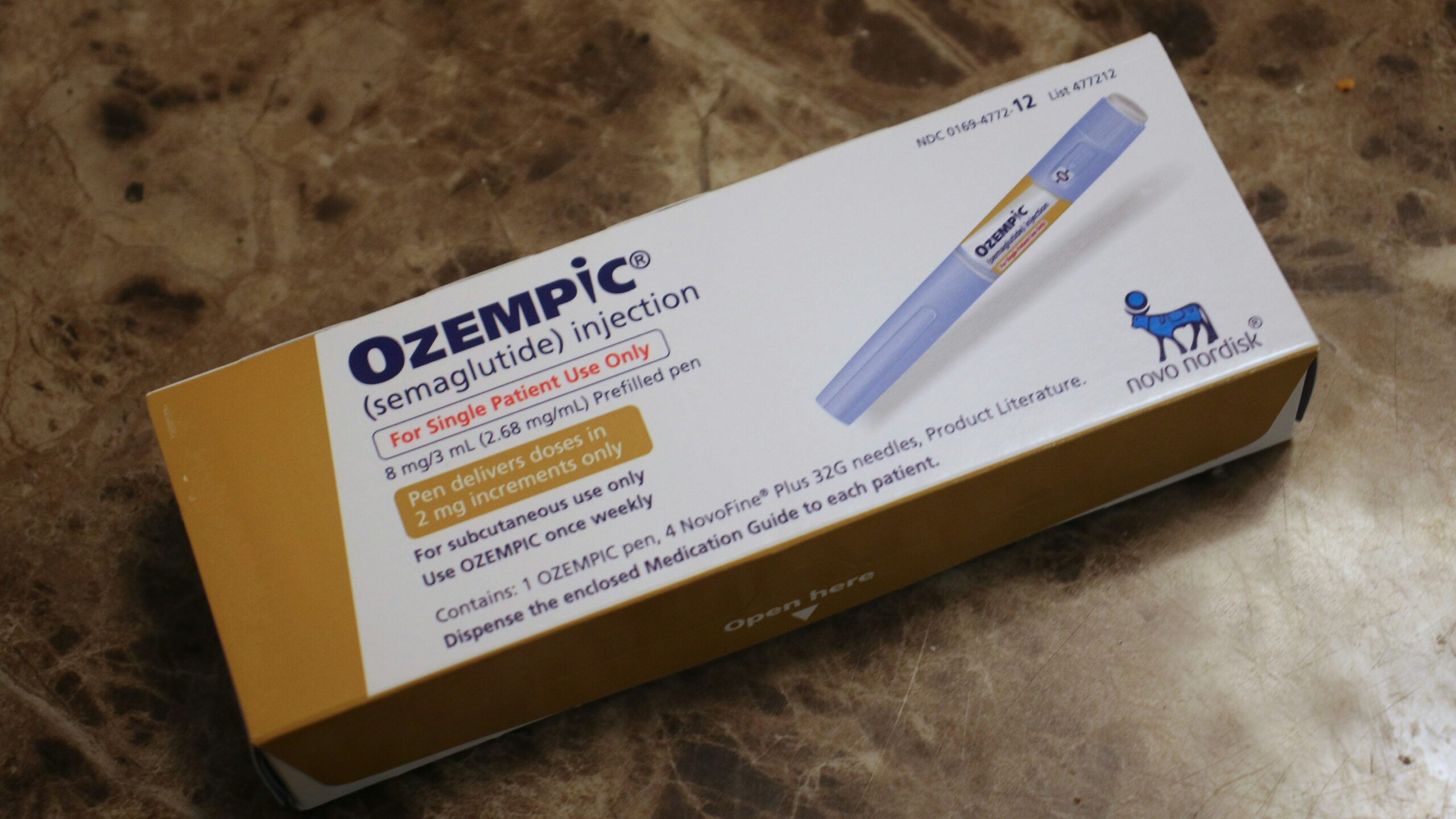
One of the most valuable Medicare benefits is also one of the most overlooked: a program called Extra Help that can erase most of what lower-income enrollees pay for prescription drugs. It can wipe out the Part D drug-plan premium and deductible and cut copays to a few dollars per prescription. Yet many people who would qualify never sign up, often because they do not know it exists or assume they earn too much. For a retiree stretching a fixed income across a shelf of medications, it can be the difference between filling a prescription and skipping it.
What Extra Help actually pays for
Extra Help, formally the Part D Low-Income Subsidy, is run by Social Security and can dramatically lower drug costs for people who qualify. As the Social Security Administration describes on its Extra Help page, the program can eliminate the monthly premium for a benchmark Part D plan, remove the annual deductible, and cap copayments at low fixed amounts. Medicare’s own materials note that people who get Extra Help pay no more than a few dollars for each covered generic or brand-name drug.
The savings are substantial. For someone taking several medications, the combination of a zero premium, no deductible, and single-digit copays can save hundreds or even thousands of dollars a year compared with a standard Part D plan. And because recent law capped total out-of-pocket drug spending for all Medicare beneficiaries, Extra Help stacks on top of that protection for those who qualify, driving costs lower still.
Free retirement updates: Enrollment and claim windows come and go, and missing one can cost you real money. The free Retirement Shield newsletter keeps you ahead of the deadlines that matter. Sign up free.
Who qualifies
Eligibility is based on income and resources, and the limits are more generous than many assume. Social Security sets annual income and asset thresholds that adjust each year, and people whose income is modestly above the poverty line can still qualify for full benefits. Certain groups qualify automatically — people who have both Medicare and Medicaid, those enrolled in a Medicare Savings Program, and people receiving Supplemental Security Income are generally enrolled in Extra Help without a separate application.
Because the income and resource limits change annually and count some things but not others — a home you live in and a car generally do not count as resources, for example — it is worth applying even if you think you are slightly over. Social Security makes the determination, and the current limits are posted on the Extra Help page. Applying is free, and there is no penalty for applying and being found ineligible.
How Extra Help differs from other assistance
Extra Help is specifically about prescription drugs under Part D. It is distinct from the Medicare Savings Programs, which help pay the Part B premium and, depending on the program, other Medicare costs. Many people qualify for both, and enrolling in a Medicare Savings Program can automatically qualify you for Extra Help. Knowing the difference matters because a household short on money may need both: one program to lower the doctor-visit side of Medicare and the other to lower the pharmacy side.
It is also separate from a Part D plan itself. Extra Help is a subsidy that attaches to whatever Part D plan you choose; you still enroll in a drug plan, but the subsidy pays most of its costs. If you qualify, choosing a benchmark plan in your area ensures the premium is fully covered.
How to apply
You can apply for Extra Help online through Social Security, by phone, or in person, and the application is short. Start at the Social Security Extra Help page, which links directly to the application and lists the current income and resource limits. Have your income and account information handy, since the questions ask about both. If you are approved, you can then use the Medicare Plan Finder to pick a Part D plan that pairs with the subsidy. For a household that has been rationing pills to stretch a budget, the application is a few minutes of paperwork against potentially years of lower drug bills — which is why the biggest mistake with Extra Help is never applying at all.
What Extra Help is worth in a real year
The value is easiest to see in dollars. A standard Part D plan can carry a monthly premium, an annual deductible of several hundred dollars, and copays that climb with a drug’s price tier. Extra Help can zero out the premium on a benchmark plan, remove the deductible entirely, and cap copays at a few dollars per prescription. For a beneficiary taking four or five medications, that combination routinely saves well over a thousand dollars a year, and far more for someone on an expensive brand-name or specialty drug where a single fill might otherwise cost hundreds.
Because recent law also capped total out-of-pocket drug spending for every Medicare beneficiary, Extra Help now stacks on top of that cap, pushing costs lower still for those who qualify. The mistake that costs people the most is assuming they earn too much to bother applying — the income and resource limits are more generous than many expect, a home and a car generally do not count as resources, and Social Security makes the determination for free. If you are turned down, you lose nothing; if you qualify, the savings can recur for years. Start the short application at the Social Security Extra Help page, which also lists the current limits.
This article was produced with AI assistance and reviewed by a human editor. Figures are linked to their primary sources; where a claim could not be verified from the public record, we say so.
More Financial Reading