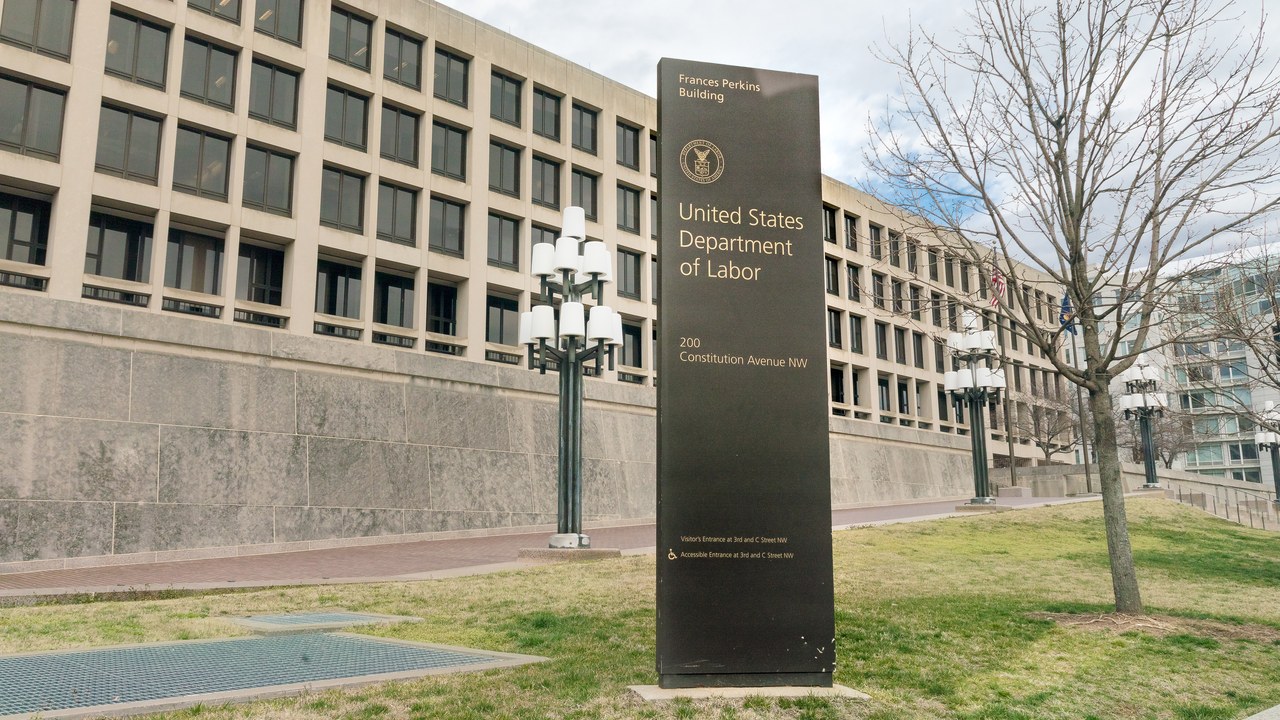
On August 13, 2026, Tyson Foods put out a news release announcing the end of operations at two beef plants on the same day: a beef facility in Joslin, Illinois, and a case-ready facility in Eagle Mountain, Utah. That same date now sits on Utah’s official layoff-notice table beside the name Tyson Fresh Meats and a count of 723 affected workers. The company gave one reason for both decisions, and it was not weak demand for beef.
What the August 13 announcement actually said
The release did not describe a retreat from the beef business. It described a consolidation. Tyson said it would anchor beef around three plants in the central United States, in Dakota City, Nebraska, in Holcomb, Kansas, and in Amarillo, Texas, and move the capacity from the two closing sites to facilities it considers better positioned to grow. The same announcement disclosed that Tyson is pursuing a sale of its beef facility in Pasco, Washington, and that it intends to ramp a second shift back up at Amarillo as cattle become available.
The stated cause was supply. Tyson said the restructuring was meant to create a more competitive footprint “amidst one of the most historic cattle shortages the country has ever experienced,” and pointed to recent USDA cattle inventory data, including what it called continued evidence of limited heifer retention, as an indication that the constraint will persist. That language appears in the company’s own release, which also says Tyson is committed to helping affected team members apply for open positions at other facilities.
Free retirement updates: Social Security and Medicare change every year, and nobody sends you a memo. Our free Retirement Shield newsletter breaks down what changed and what to do. Get it free in your inbox.
723 workers at Eagle Mountain, on the state’s own table
Utah’s Department of Workforce Services keeps a running public table of layoff notices filed under the federal Worker Adjustment and Retraining Notification Act. The entry for this closure reads: date of notice 08/13/26, company name Tyson Fresh Meats, location Eagle Mountain, affected workers 723.
That single line is the largest entry on Utah’s 2026 table by a wide margin. The next largest for the year is a 303-worker notice from Provo Canyon School filed in July, and most of the year’s other entries run in the tens or low hundreds. A household reading the state’s WARN list is looking at the only number in this story that a government agency has actually published.
Why the notice date matters more than the closing date
The federal WARN Act generally requires employers with 100 or more employees to give 60 calendar days of advance written notice before a plant closing or a mass layoff at a single site. The date of that notice, not the date the machines stop, is what starts the clock that determines how long a paycheck keeps arriving. Utah’s table pins the Tyson Fresh Meats notice to August 13, and 60 days from August 13 is October 12.
The Labor Department’s Employment and Training Administration hosts the compliance materials for the law, including a guide written for workers, a separate guide for employers, an interactive advisor, and a fact sheet on the exceptions that apply when a dislocation follows a natural disaster. Its WARN page also states plainly that federal court alone enforces the act, which means a worker who believes the notice period was short pursues it as a lawsuit rather than as an agency complaint.
The Illinois number that no state file carries yet
Illinois runs its own version of the law, with a lower trigger than the federal statute: it reaches employers with 75 or more full-time employees and requires 60 days of advance notice of a plant closing or mass layoff. The state publishes what it receives in monthly summary reports rather than in a continuously updated table.
As of this writing, the newest monthly report in the state’s own archive is dated July 31, 2026. The August filings, including whatever Tyson submitted for Joslin, are not in it. Figures for the Joslin workforce have circulated widely, and they do not agree with one another. Because none of them can be pinned to the Illinois WARN record, this article carries no headcount for the Illinois plant. The closure itself is not in doubt; Tyson named the facility in its own announcement.
Where the cattle harvesting goes instead
Tyson’s framing is that the total volume of cattle harvesting does not fall. The release says that collectively the changes will let the company maintain a similar level of cattle harvesting across what it calls a more efficient and modern network, with the Amarillo second shift absorbing volume as supply allows. For the towns losing the plants, that distinction is academic. For the beef case at the grocery store, it is the whole question, because a shortage of cattle rather than a shortage of plants is what Tyson identified as the binding constraint.
What can be verified today is narrow and specific: a company announcement dated August 13, 2026 naming two facilities and one cause, and a Utah state table showing 723 workers attached to a notice filed the same day. Everything past October 12 depends on filings that have not been published yet.
This article was produced with AI assistance and reviewed by a human editor. Figures are linked to their primary sources; where a claim could not be verified from the public record, we say so.
More Financial Reading