Take the Humana card out of your wallet and read the plan name printed on it. The full name is what matters here, not just the word “Humana,” because Ohio State has published a list of sixteen specific Humana plans and the list is the whole story. On October 1, 2026, every plan on it stops being in network at Ohio State’s hospitals, and Humana confirms the same end date from its side of the table.
The sixteen plan names Ohio State posted under “Effective October 1, 2026”
Ohio State did not issue a vague warning about a contract dispute. Its insurance page carries a dated heading, then the words “Out-of-Network with OSUWMC,” then sixteen plans listed one at a time. That level of specificity is unusual, and it is useful, because it means you do not have to guess whether the change applies to you.
The sixteen are Humana Healthy Horizons Medicaid; Humana Dual Select (PPO DSNP); Humana Full Access (PPO); Humana Gold Choice (PFFS); Humana Gold Plus – Diabetes and Heart (HMO C-SNP); Humana Gold Plus (HMO); Humana Gold Plus (HMO-POS); Humana Gold Plus SNP-DE (HMO DSNP); Humana Together in Health (PPO ISNP); Humana Together in Health Select (PPO ISNP); Humana USAA Honor Giveback (PPO); Humana USAA Honor Giveback with Rx (PPO); Humana Value Plus (PPO); HumanaChoice (PPO); HumanaChoice (Regional PPO); and HumanaChoice Giveback (PPO). You can check the roster yourself on Ohio State’s insurances-we-accept page, which was live and carrying that heading on August 15.
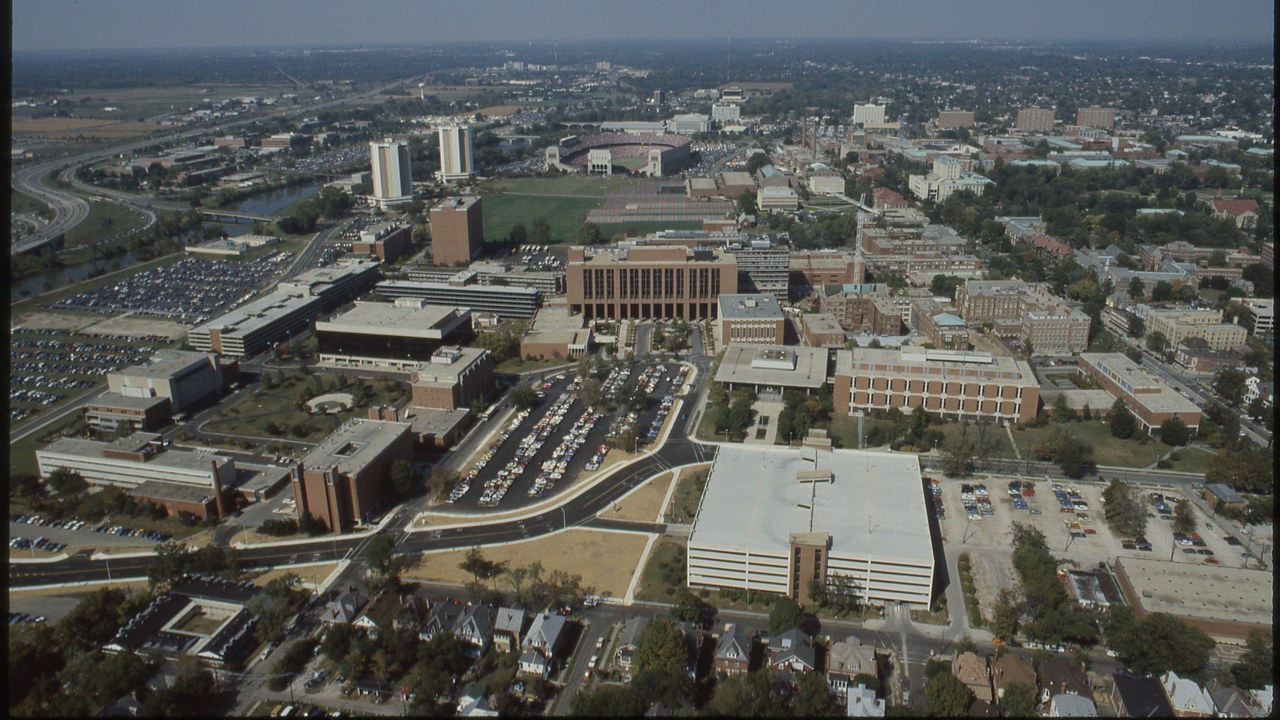
The facilities involved are the Ohio State University Wexner Medical Center and, in Humana’s description, The James Cancer Center along with Ohio State affiliated physicians. Ohio State’s own page names The James Cancer Hospital and Solove Research Institute. In plain terms: the main academic hospital system in Columbus, its cancer hospital, and the doctors who practice under it.
Free retirement updates: Miss an enrollment or claim deadline and it may be gone. Our free Retirement Shield newsletter keeps readers ahead of the ones that matter. Get the free newsletter.
Humana’s statement sets the date and still leaves a door open
Insurers and hospitals often negotiate loudly and settle quietly, so it is fair to ask whether this one is real. Humana’s answer is on its own newsroom, in a statement dated July 2, 2026, and it is not hedged: “The agreement between The Ohio State University and Humana ends effective October 1, 2026.” The same statement says affected Medicare Advantage and Healthy Horizons Medicaid members have already been notified.
In the next breath, Humana writes that it “remains open to good-faith discussions with The Ohio State University” and is “open to renewing the contract.” Both things are in the company’s published statement. What matters for planning purposes is that neither side has posted anything different: as of August 15, Ohio State’s list still carried the October 1 heading and Humana’s statement still carried the October 1 end date. Plan around the date that is published, not the one you hope for.
What “out of network” costs you depends on which of the sixteen you hold
Look at the letters in parentheses after your plan name, because Medicare treats those plan types differently and the difference is measured in dollars. Medicare’s own side-by-side comparison of Advantage plan types spells out the rules.
If you are in an HMO, such as Humana Gold Plus (HMO), you “generally must get your care and services from providers and facilities in the plan’s network,” with carve-outs for emergency care, urgent care, and out-of-area dialysis. An HMO Point-of-Service plan, the HMO-POS on that list, may cover some services out of network, but you usually pay more. In a PPO, which covers most of the sixteen, you may still go outside the network, but again “you may pay more.” A Private Fee-for-Service plan such as Humana Gold Choice (PFFS) works differently: you can use any Medicare-approved provider that accepts the plan’s payment terms and agrees to treat you. Special Needs Plans follow whichever structure they are built on, so an HMO-based SNP behaves like an HMO and a PPO-based SNP behaves like a PPO. Medicare publishes the full comparison table, and it is worth reading with your card in hand.
Practically, that means an HMO member and a PPO member holding cards from the same insurer face very different Octobers at the same hospital. One may find non-emergency care simply not covered there. The other may find it covered at a higher cost share.
Emergency care and active treatment are the two exceptions Humana names
Humana’s statement carves out emergencies without qualification: members should go to the closest hospital, and “these emergency services will be covered at the in-network benefit level, regardless of whether the hospital participates in Humana’s network.” That protection does not depend on the contract.
The second exception is narrower and requires you to ask for it. Humana says members are receiving continuity-of-care support, and that members “with certain medical conditions may qualify” to keep seeing their current provider at the in-network benefit level “for a specific period.” Note the two soft words: may and specific. This is not automatic and it is not open-ended. If you are mid-chemotherapy at The James, in a transplant workup, or managing a chronic condition with an Ohio State specialist, the call to the number on the back of your card is the difference between a covered course of treatment and an out-of-network bill.
October 1 arrives two weeks before you can do anything about the plan itself
Here is the timing squeeze that makes this more than a paperwork story. The network change lands October 1. Medicare Open Enrollment does not start until October 15, and coverage you choose during that window does not begin until January 1 of the following year. So a Medicare Advantage member who decides in October to leave Humana because of this split is looking at roughly three months of out-of-network status before a new plan takes effect.
Humana members on Healthy Horizons Medicaid are in a different program, and the Medicare window does not govern their coverage, so the number on the back of the card is again the right first call. For everyone else on that list of sixteen, the useful move now is to confirm whether the physicians and facilities you actually use are affected, and to price the alternatives before the window opens rather than during it. Medicare’s guidance on the annual window is blunt about the cutoff: Open Enrollment runs October 15 through December 7, changes take effect January 1, and the plan must receive your enrollment request by December 7.
This article was produced with AI assistance and reviewed by a human editor. Figures are linked to their primary sources; where a claim could not be verified from the public record, we say so.
More Financial Reading