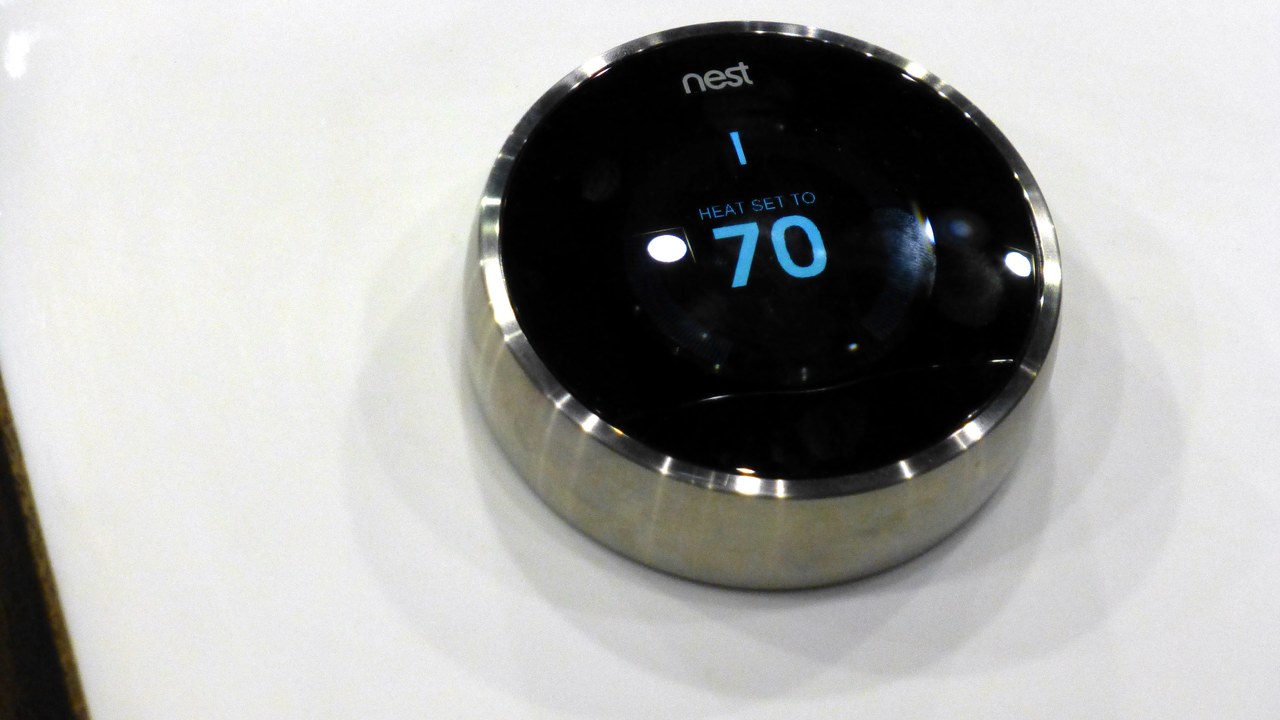
When an energy bill outruns the budget, a lot of households quietly go without, turning the heat down too far in winter or the air conditioning off in a heat wave. There is a federal program built for exactly that squeeze, and many of the people it could help have never heard of it. The Low Income Home Energy Assistance Program, known as LIHEAP, pays part of eligible households’ heating and cooling bills, and in many places it can also help with a past-due balance or a looming shut-off. Applying is free.
What LIHEAP actually pays for
LIHEAP is a federally funded assistance program that helps eligible households manage the cost of keeping a home at a safe temperature. According to the U.S. Department of Health and Human Services, which oversees it, the program can help pay heating bills in the cold months and cooling bills in the hot ones, and in many cases it also assists with past-due balances and energy-related emergencies, such as a utility about to be disconnected. Some states use LIHEAP funds for weatherization repairs too, fixing the drafts and failing equipment that make bills higher in the first place, which turns a one-time payment into lasting savings. The exact mix of help varies, but the core purpose is constant: making sure a household does not have to choose between paying the energy company and covering food or medicine.
Because the assistance often goes directly to the utility or fuel vendor on your behalf, it lands as a credit on the bill rather than a check you have to manage.
Free retirement updates: Social Security and Medicare change every year, and nobody sends you a memo. Our free Retirement Shield newsletter breaks down what changed and what to do. Get it free in your inbox.
Who qualifies, and why it varies by state
Here is the part that surprises people: there is no single national income cutoff, because LIHEAP is run through each state, territory, and many tribal governments, and each sets its own rules within federal guidelines. Eligibility is generally based on household income measured against a percentage of the federal poverty level or the state’s median income, and the thresholds differ from place to place. In many states, if you already receive certain other benefits, such as SNAP food assistance, Supplemental Security Income, or certain veterans or family assistance, you may be automatically income-eligible or find the application simpler. Households that include an older adult, a person with a disability, or a young child are often given priority. The only way to know your status for certain is to check your own state’s specific rules, because a household turned away in one state might qualify in another with the same income.
The application windows you cannot miss
Timing matters more with LIHEAP than with many programs, because funding is limited and application windows open and close. Many states open heating assistance in the fall and cooling assistance in the spring or summer, and some run out of funds before the season ends, so applying early once your state’s window opens improves your odds. If you are facing a shut-off or have already lost service, ask specifically about crisis or emergency assistance, which many states process faster than regular applications. Do not wait until the account is deep in arrears; the sooner you apply, the more options the program has to help.
How to find and apply to your program
You do not need to figure out the bureaucracy alone. The fastest starting point is the National Energy Assistance Referral line at 1-866-674-6327, a free service that can direct you to the LIHEAP program that serves your area and tell you how to apply. You can also find your state or tribal program and its application details through the federal LIHEAP office online. When you apply, you will typically need proof of income, a recent energy bill, and identification for the household, so gathering those first speeds things along. If you are also struggling with the underlying costs, ask your utility about budget-billing plans that spread payments evenly across the year and about any additional hardship programs it runs, which can stack with LIHEAP. The help is real and it is meant to be used; the main thing standing between many families and it is simply not knowing it exists.
Stack LIHEAP with your utility’s own programs
LIHEAP works best when it is one piece of a larger plan rather than the only call you make. Most utilities run their own assistance and hardship programs, from payment plans that spread a big balance over months to special protected-status rules that prevent shut-offs during extreme heat or cold or for households with a medical need, and those can layer on top of LIHEAP rather than replace it. Ask your provider specifically about budget billing, which averages your yearly cost into a steady monthly amount so a January heating bill does not arrive as a shock, and about any percentage-of-income payment plan it offers. It is also worth checking whether you qualify for related help you are not using, such as weatherization assistance to seal and insulate a drafty home, which lowers bills permanently. You can find your state or tribal LIHEAP office and its current contact details through the federal program’s state and territory contact listing, and screen for a broader set of benefits at Benefits.gov. Between LIHEAP, a utility hardship program, and a weatherization fix, a household squeezed by energy costs usually has more help available than it is currently claiming.
This article was produced with AI assistance and reviewed by a human editor. Figures are linked to their primary sources; where a claim could not be verified from the public record, we say so.
More Financial Reading