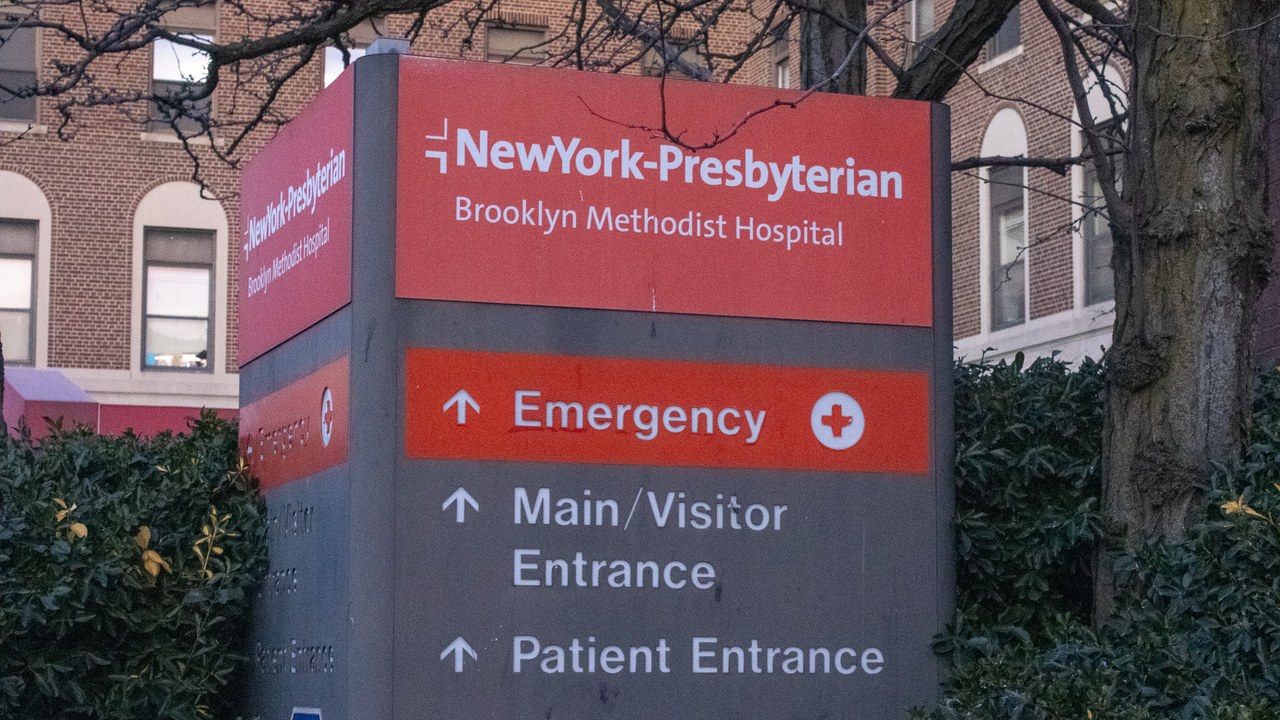
If you carry a UnitedHealthcare Medicare Advantage plan and get your care at NewYork-Presbyterian, a coverage change could land on your doorstep at the start of next month. The hospital system and the insurer have kept current coverage in place through August 31, 2026 while they try to reach a new contract, but if they do not, most UnitedHealthcare Medicare Advantage members would find NewYork-Presbyterian out of network on September 1. That switch can turn in-network costs into much larger out-of-network bills, so it is worth understanding your options now rather than after the deadline passes.
What happens on September 1 if there is no deal
NewYork-Presbyterian and UnitedHealthcare agreed to extend in-network coverage for Medicare Advantage members through August 31, 2026 while negotiations continue. According to NewYork-Presbyterian’s own notice to patients, if the two sides cannot reach a new agreement by that date, then starting September 1 all NewYork-Presbyterian hospitals and the practices in the NewYork-Presbyterian Medical Groups would be considered out-of-network providers for most UnitedHealthcare Medicare Advantage members. The word “most” matters, because a few plan types are treated differently, as explained below.
Out of network is not the same as no coverage, but for a Medicare Advantage member it usually means paying substantially more, or in some plan designs the full cost, for care that was in network the day before. That is why a looming out-of-network date is a household budget event, not just a paperwork change.
Free retirement updates: Miss an enrollment or claim deadline and it may be gone. Our free Retirement Shield newsletter keeps readers ahead of the ones that matter. Get the free newsletter.
If you are already in treatment, you keep coverage longer
There is an important protection for patients in the middle of care. For most patients undergoing an active course of treatment, inpatient or outpatient, that began before September 1, 2026, scheduled appointments and treatments, including post-operative care, would continue to be treated as in-network through November 29, 2026. In practice that gives someone recovering from surgery, or in the middle of a course of chemotherapy or another ongoing treatment, roughly three additional months of in-network coverage to finish that care or arrange a transition.
This continuity-of-care window does not cover brand-new problems that come up after September 1, and it does not last indefinitely. If your treatment is ongoing, it is worth confirming with both NewYork-Presbyterian and UnitedHealthcare that your specific care qualifies, and getting the answer in writing.
The plans that are not affected
Not every UnitedHealthcare product is caught in this dispute. UnitedHealthcare has said the Medicare Advantage change does not affect AARP Medigap or Medicare Supplement policies, or Group Retiree PPO plans. Members with individual PPO policies and members with certain group plans may have out-of-network benefits and, subject to those benefits, may still have some coverage at NewYork-Presbyterian even after the deadline. The details depend on your exact plan, so the safest step is to read your own plan documents or call the member number on your card and ask directly whether NewYork-Presbyterian would remain in network for you.
The distinction is a reminder that Medicare Advantage and Medicare Supplement are different animals. A traditional Medicare plan paired with a Medigap policy generally lets you see any provider that accepts Medicare, which is one reason these hospital-insurer standoffs tend to hit Medicare Advantage members hardest.
Your move during open enrollment
If keeping in-network access to NewYork-Presbyterian matters to you, the calendar gives you a clean window to act. Medicare’s annual open enrollment period runs from October 15 to December 7, 2026, and during it you can switch to a different Medicare Advantage plan, or leave Medicare Advantage and return to Original Medicare. Original Medicare lets you use any provider that accepts Medicare, so it sidesteps the network problem entirely, though most people pair it with a separate Part D drug plan and, if they can, a Medigap policy to help with cost sharing. Medicare explains these choices at Medicare.gov.
One caution worth knowing: while you can generally move between Medicare Advantage plans freely during open enrollment, buying a Medigap policy after your initial enrollment window can involve medical underwriting in many states, which can affect price or acceptance. That does not mean you cannot switch, but it is a reason to look into the specifics before you assume a Medigap policy will be simple to add.
What to do in the next few weeks
Watch for a definitive announcement about whether NewYork-Presbyterian and UnitedHealthcare reach a deal before August 31; contract fights like this sometimes settle at the last minute. In the meantime, confirm whether your particular plan is affected, and if you are in active treatment, pin down in writing that your care qualifies for the November 29 continuity window. If you decide the risk is not worth it, mark October 15 on the calendar as the first day you can change plans. The steady rise in these hospital-versus-insurer disputes is exactly why checking your own plan’s network each year, not just at sign-up, protects your access and your wallet.
This article was produced with AI assistance and reviewed by a human editor. Figures are linked to their primary sources; where a claim could not be verified from the public record, we say so.
More Financial Reading