Some of the most effective ways to cut a utility bill are also the least visible: insulation in the attic, sealing around drafty windows, a furnace that runs efficiently instead of straining. For income-eligible households, the federal government will pay for that work outright, with no cost to the homeowner or renter. It is one of the more generous energy programs on the books, and one of the most overlooked.
What the Weatherization Assistance Program covers
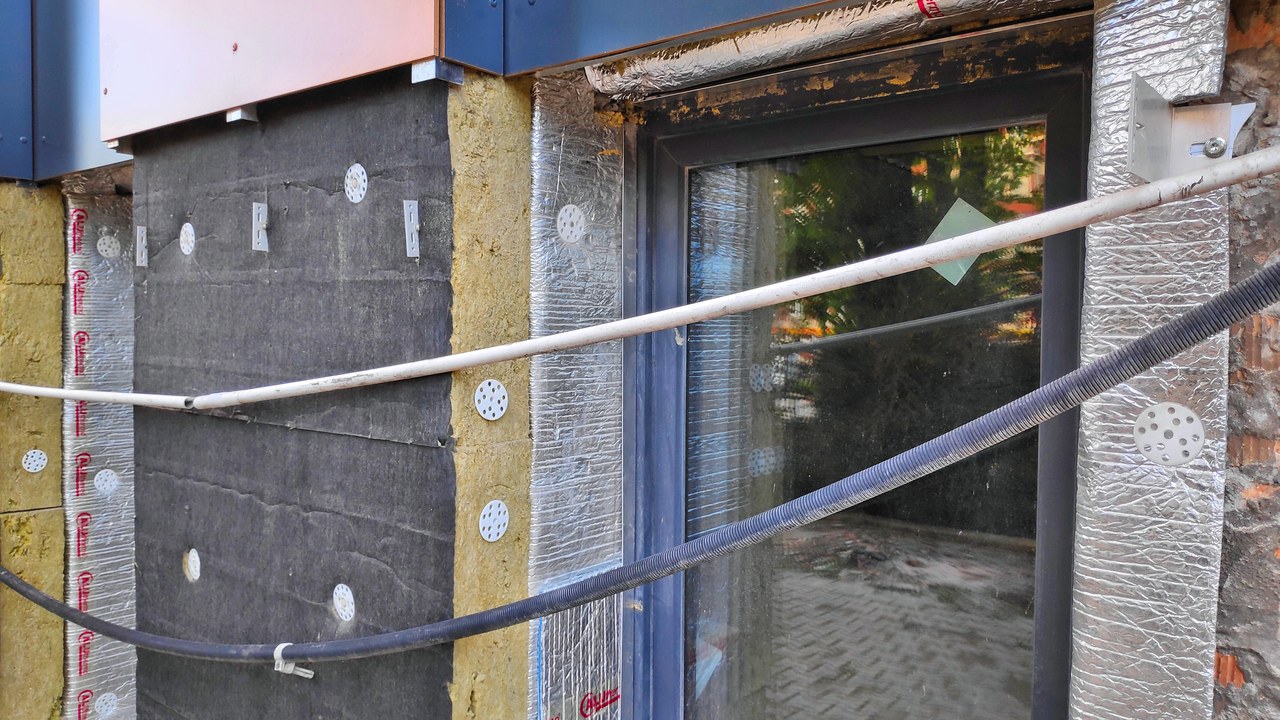
The program is the U.S. Department of Energy’s Weatherization Assistance Program, often shortened to WAP, and it pays for energy-saving improvements to the homes of eligible lower-income families. Typical work includes adding insulation, sealing air leaks, and repairing or upgrading heating and cooling systems, along with an energy audit to identify where a particular home is losing the most energy. The Department estimates the improvements save families hundreds of dollars a year on their utility bills, and because the fixes are permanent, that saving continues year after year rather than being a one-time credit.
Free retirement updates: Want plain-English help keeping more of your money in retirement? The free Retirement Shield newsletter covers scams, benefits, and money many retirees may be owed, a couple times a week. Subscribe free.
Why the savings outlast a one-time rebate
The reason weatherization is worth more than it first appears is that it attacks the cause of high bills rather than offsetting the symptom. A one-time utility credit lowers a single month’s bill; sealing and insulating a home lowers every month’s bill for as long as you live there. A house that leaks heat in winter and cool air in summer forces the furnace and air conditioner to work harder, and that constant strain is what shows up as a painful bill. Fix the envelope of the home once, and the equipment runs less, the house stays comfortable at a lower cost, and the equipment itself tends to last longer. For a retiree on a fixed income, turning a recurring cost into a smaller recurring cost is exactly the kind of durable relief that matters.
Who qualifies and how eligibility works
The program targets lower-income households, and eligibility is generally based on income relative to federal or state guidelines. Households that already receive certain assistance, such as the Low Income Home Energy Assistance Program, are often automatically eligible, and states may give priority to older adults, people with disabilities, and families with young children. Importantly, the help is not limited to homeowners: renters can qualify too, though landlord agreement is usually needed before work is done on a rental. Because income limits and priority rules vary by state, the practical first step is to check your own state’s specifics rather than assume you earn too much.
How to apply without getting lost
Weatherization is federally funded but delivered locally, through state energy offices and the community-action agencies they work with. To get started, use the Department of Energy’s guidance on how to apply for weatherization assistance, which points you to the agency serving your area. Expect an application, an income check, and then a scheduled energy audit of the home before any work begins. Demand can outstrip funding, so there may be a waiting list, which is one more reason to apply sooner rather than waiting for the next brutal heating or cooling season.
The bottom-line reason to look into it
For a household stretched thin by utility costs, weatherization is a rare offer of substantial, lasting help that does not have to be paid back. It lowers bills, makes a home more comfortable and safer, and costs the eligible resident nothing. The catch is simply that no one gets the work unless they apply, and many people who qualify never do because they have never heard of the program or assume it is not for them. The Department of Energy’s program page is the authoritative starting point for what WAP covers and how to find your local provider, and a single phone call to that provider is often all it takes to begin.
What to expect once you’re approved
Understanding the process makes it less intimidating. After you apply and your income is verified, a trained energy auditor visits the home to assess where it loses the most energy and to check for safety issues, and that assessment determines which improvements are done. The work is performed by crews the local agency arranges, at no cost to an eligible household, and it can include adding insulation, sealing leaks around windows, doors, and ducts, and repairing or replacing inefficient heating and cooling equipment. Because the audit drives the plan, the exact fixes vary from one home to the next rather than following a fixed checklist.
A few practical points help. Renters can qualify, but the local agency usually needs the landlord’s agreement before work begins, so raising it with your landlord early keeps things moving. Demand often exceeds funding, which means waiting lists are common, so applying before the next harsh season rather than during it improves your odds of timely help. The Department of Energy’s program materials are the authoritative source for what the Weatherization Assistance Program covers and how to reach the agency serving your area, and that local provider is who ultimately schedules the audit and the work.
This article was produced with AI assistance and reviewed by a human editor. Figures are linked to their primary sources; where a claim could not be verified from the public record, we say so.
More Financial Reading