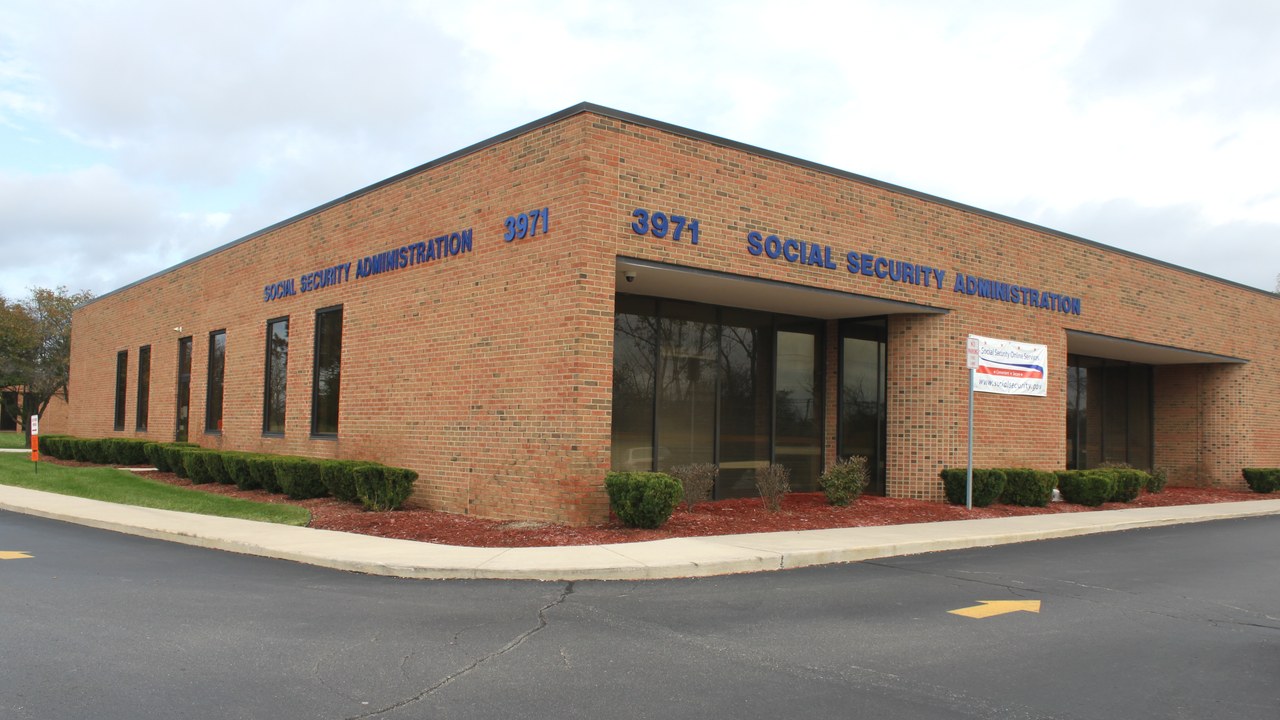
Few letters land harder than one from Social Security saying it paid you too much and now wants the money back. For retirees living close to the edge of their monthly check, an overpayment notice can feel like a threat to the rent. The reassuring news is that the process for pushing back has become friendlier for smaller amounts, and there is a specific, easier path when the overpayment is $2,000 or less.
What an overpayment is and how recovery works now
An overpayment happens when Social Security sends you more than you were due, often because of a change in income, work status, or living situation that was not reflected in time. When that happens, the agency asks for the money back, and if you keep receiving benefits it can withhold part of your monthly check to recover it. Under current policy, the Social Security Administration generally limits that withholding to a portion of the monthly benefit rather than taking the entire check, which was the harsher approach at one point. Even so, a reduced check is a real hit for someone on a fixed income, which is why knowing your options matters.
Free retirement updates: Social Security and Medicare change every year, and nobody sends you a memo. Our free Retirement Shield newsletter breaks down what changed and what to do. Get it free in your inbox.
The easier waiver for smaller overpayments
The bright spot is the waiver. A waiver asks Social Security to forgive the debt entirely, and the agency has made that far simpler to obtain for smaller amounts. For an overpayment of $2,000 or less, the administrative waiver process is streamlined, so you generally do not have to assemble the extensive financial documentation a larger waiver requires. In broad terms, a waiver can be granted when the overpayment was not your fault and repaying it would cause hardship or be unfair. Making the smaller cases easier to waive means many retirees facing a modest overpayment can resolve it without a drawn-out fight or a stack of paperwork.
Your other options if a waiver is not granted
A waiver is not the only lever. If Social Security denies the waiver or the amount is larger, you can still ask for a lower withholding rate so the agency recovers the money more slowly and leaves more of your monthly check intact, which can be the difference between covering the bills and falling behind. You can also appeal if you believe the overpayment is wrong, either in amount or in the claim that you were overpaid at all, and an appeal can pause collection while it is reviewed. These are separate requests, and you can pursue the one that fits your situation, or more than one, rather than simply accepting the reduced check.
Why acting fast protects you
The worst response to an overpayment notice is to ignore it. There are deadlines to request a waiver, a lower withholding rate, or an appeal, and letting them pass can lock in the full recovery from your checks. If you receive a notice, read it carefully to see the amount and the reason, then decide which request applies to you and file it promptly. Do not assume the number is correct just because it comes from the government; overpayment calculations can be mistaken, and the appeal process exists precisely for that. Keep copies of everything you send.
Where to get the right forms and free help
You do not have to navigate this alone or guess at the forms. The Social Security Administration’s overpayments resource explains how to request a waiver, ask for a different repayment rate, or appeal, and it is the authoritative place to find the current process and the correct forms. For retirees who find the paperwork overwhelming, free help is available from a local Social Security office and from legal-aid organizations that assist older adults with benefit issues at no charge. The core message is hopeful: an overpayment notice is not the last word, especially for a smaller amount, where the path to a waiver is now genuinely easier to walk.
How to keep an overpayment from happening in the first place
The best overpayment is the one that never occurs, and many are set off by changes the agency did not learn about in time. Because benefits can hinge on your income, work activity, marital status, or living arrangements, reporting those changes promptly to Social Security is the single most effective way to avoid being overpaid and later asked to give the money back. This matters especially for people receiving Supplemental Security Income or disability benefits, where the rules are more sensitive to changes in income and resources. A quick report when something changes is far easier than untangling an overpayment months later.
If a notice does arrive, resist the urge to panic or to assume it is final. Read exactly what it says the overpayment is and why, note the deadlines, and choose the response that fits, whether that is a waiver for a smaller amount, a request to lower the withholding, or an appeal if you think the agency is wrong. Keep copies of everything and, if you need it, get free help from a local Social Security office or a legal-aid group. The Social Security Administration’s overpayments resource is the authoritative guide to the current process and the forms, and starting there is the surest way to protect your monthly check.
This article was produced with AI assistance and reviewed by a human editor. Figures are linked to their primary sources; where a claim could not be verified from the public record, we say so.
More Financial Reading