You earn $22 an hour, you worked 80 hours, and the deposit that landed in your account is nowhere near $1,760. Everyone eventually does this math and feels briefly robbed. The full story of where the rest went is printed on your pay stub, and reading it takes about three minutes once you know what each line means. It is also the only way to catch payroll mistakes, which are more common than anyone likes to admit, and which almost always favor the errors going against you unnoticed.
Here is a tour of the standard stub, top to bottom, with the two lines you should verify against government sources along the way.
Gross pay: the starting number
Gross pay is everything you earned in the pay period before anything comes out: regular hours times rate, plus overtime, bonuses, commissions, and shift differentials. Hourly workers should check two things here every single time: the hours (do they match what you actually worked, including overtime at time-and-a-half over 40 hours?) and the rate (especially after a raise, which payroll systems miss more often than you would think). Salaried workers should confirm the per-period amount equals annual salary divided by the number of pay periods.
The FICA lines: Social Security and Medicare
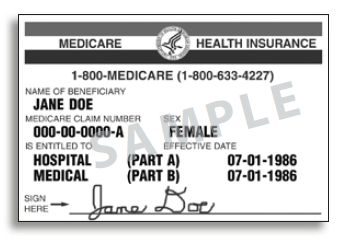
Two deductions appear on every legitimate stub, sometimes labeled FICA, sometimes OASDI and Medicare separately. The rates are set by law and have been steady for years: 6.2 percent of wages for Social Security and 1.45 percent for Medicare, with your employer paying a matching share you never see. Social Security tax stops each year once your wages hit the annual wage base, a cap that rises most years and is published by SSA on its contribution and benefit base page; high earners see that line disappear late in the year and reappear in January. Medicare has no cap, and an extra 0.9 percent applies to wages above $200,000.
These lines are not just taxes; they are your future benefits being recorded. The wages your employer reports under your Social Security number become the earnings history your retirement benefit is calculated from, which is a good reason to confirm, once a year through your my Social Security account, that your reported earnings match your stubs.
Federal and state withholding: the adjustable line
Federal income tax withheld is the biggest variable on the stub, and unlike FICA, you control it. The amount comes from what you told your employer on Form W-4: filing status, dependents, other income, extra withholding. If this number seems way too high or too low for your situation, that is not fate, it is a form you can refile any time. State and local income tax lines follow the same logic where they exist; a handful of states have no income tax and the line simply will not appear.
A withholding line that reads zero when you expected withholding deserves immediate attention. It can mean you claimed exempt by mistake, or that your employer has classified you in a way you did not agree to, and either one produces an ugly surprise at filing time.
Pre-tax versus post-tax deductions
Next come the deductions you signed up for, and the order matters. Pre-tax items, typically traditional 401(k) contributions, health, dental, and vision premiums, HSA and FSA contributions, and transit benefits, come out before income tax is calculated, which is why adding a 401(k) contribution shrinks your take-home by less than the contribution amount. Post-tax items, like Roth 401(k) contributions, disability insurance in some setups, union dues, and charitable payroll gifts, come out after.
Check that what is listed matches what you enrolled in, at the amounts you chose, especially in the first stub after open enrollment or any benefits change. Wrong-plan premiums and doubled deductions are classic January errors.
Garnishments and the lines you didn’t choose
Court-ordered items, child support, tax levies, student loan or creditor garnishments, appear as their own deductions. Federal law caps how much of your disposable pay most creditors can garnish, and if a garnishment appears that you know nothing about, treat it as urgent: get the case details from your payroll department and respond, because garnishments only start after a legal process you were supposed to be notified of.
YTD columns and the final check
Every line usually has a year-to-date twin, and those YTD figures are the fastest way to sanity-check a whole year: whether your 401(k) contributions are on pace, whether your withholding roughly matches last year’s tax, whether that February bonus was taxed the way you were told. Your W-2 in January is assembled from these numbers, so a YTD error caught in July is a corrected W-2 you will not need.
If your stub and your reality do not match, start politely with payroll; most errors are fixed in one cycle. If unpaid wages or overtime are the issue and the employer will not fix it, the Labor Department’s Wage and Hour Division takes complaints at no cost. But the first line of defense is the three-minute read, every payday. Nobody watches your paycheck as carefully as the person it belongs to.
This article was produced with AI assistance and reviewed by a human editor. Figures are linked to their primary sources; where a claim could not be verified from the public record, we say so.