You have the new TV or washing machine on the counter, the card in your hand, and then comes the question retailers have perfected: “Would you like to protect your purchase today?” The pitch takes ten seconds. The right answer takes a little longer, and holiday-weekend sales like this one are exactly when the question gets asked most.
Extended warranties and service contracts are a paid product layered on top of protection you may already have for free. Sometimes they earn their price. Often they duplicate the manufacturer’s coverage, exclude the failures most likely to happen, or are backed by a company you have never heard of. The Federal Trade Commission’s consumer guidance offers a clean framework for deciding in the moment, and it starts with one comparison.
First, know what you already get for free
Almost everything you buy comes with two layers of no-cost protection. The first is the manufacturer’s written warranty, typically 90 days to a year or more, covering defects. The second is less known: under state law, most products automatically carry an implied warranty of merchantability, the baseline promise that the thing works for its ordinary purpose. The FTC’s plain-language guide to warranties explains both, and the core rule follows directly: an extended warranty that merely repeats coverage you already have is, in the FTC’s words, not a good value if it doesn’t offer more than the warranty that came with the product. Overlap is common, since the paid contract’s first year often runs concurrently with the free one.
Many credit cards also add their own warranty extension on purchases at no charge. Check your card’s benefits guide before paying a retailer for the same months of coverage.
The five questions the FTC says to ask
If the coverage genuinely goes beyond the freebies, the FTC’s checklist gets you to a decision fast. One: total cost, including the hidden kind, deductibles, per-service fees, shipping to a repair center, transfer fees if you sell the item, and caps on reimbursement. Two: who actually backs the contract, because it is frequently not the manufacturer or the store but a third-party administrator, and the coverage is only as good as that company’s willingness and ability to pay. Three: length, converted into a yearly cost you can compare against the product’s price. Four: what is excluded, since accidental damage, wear items, and failures traced to skipped maintenance are commonly carved out, and if a situation is not listed in the contract, assume it is not covered. Five: the claims process, because coverage that requires hauling the item back to the store or waiting weeks for reimbursement is worth less than its paper terms.
The math that usually says no
Here is the kitchen-table version. A service contract makes sense when three things line up: the product is expensive to repair, it fails often enough to matter, and a failure would be a genuine financial hit. For most electronics and small appliances, none of the three holds. The product either fails early, inside the free warranty, or runs for years; the contract price is a meaningful fraction of the item’s cost; and replacing a $180 gadget out of pocket is annoying, not ruinous. The FTC’s suggested alternative is unglamorous and effective: put the money you would have spent on contracts into a savings account and self-insure. Skip ten register pitches and the repair fund funds itself.
The honest exceptions: big-ticket items where a single repair can rival the contract price, coverage that adds something the free warranty truly lacks and you will use, like in-home service for a bulky appliance, and buyers for whom an unbudgeted repair would mean debt. In those cases, read the contract before paying, not after.
Cars deserve their own warning label
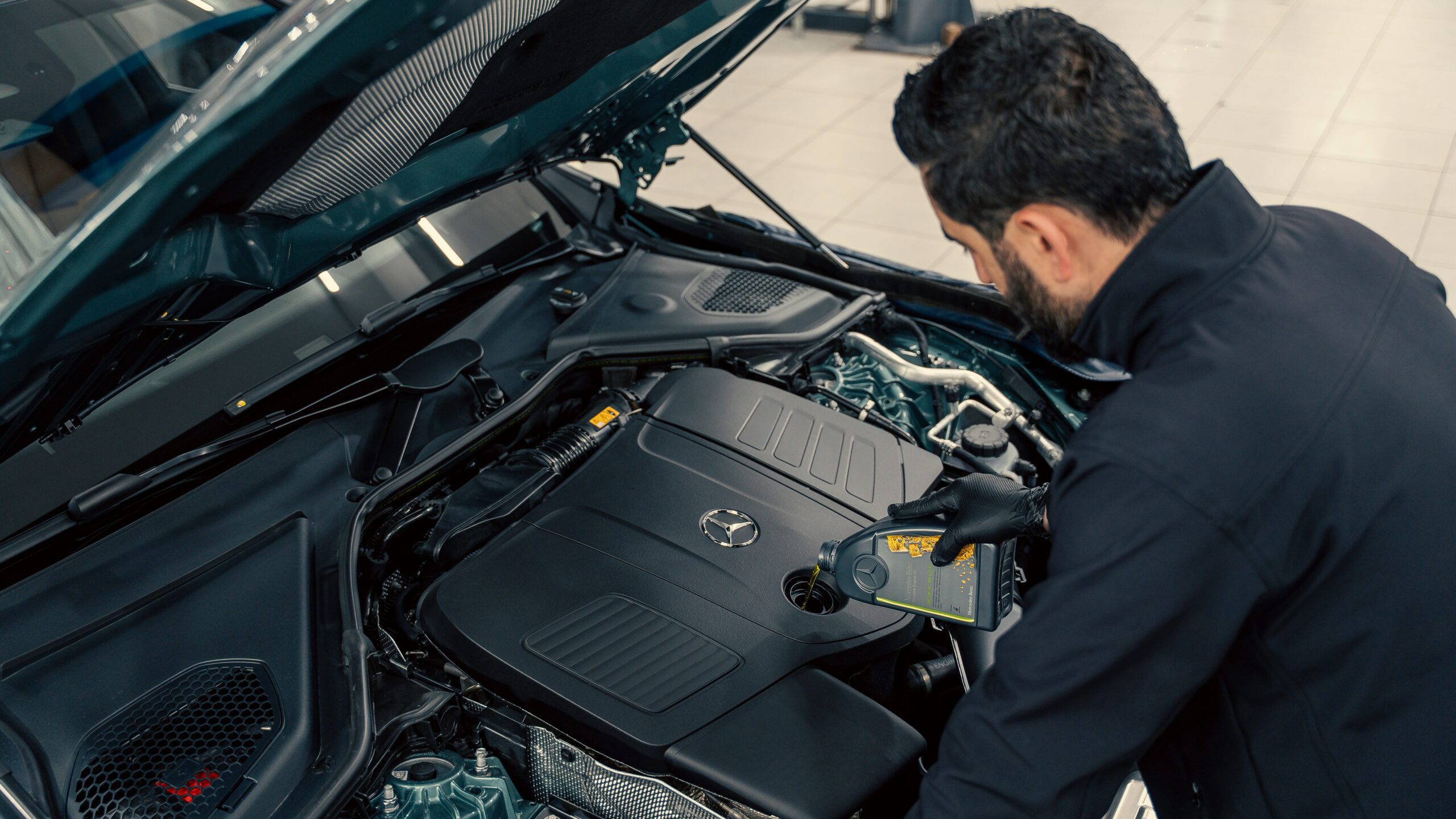
Auto service contracts are the most aggressively sold version of this product, and the FTC keeps separate guidance on them. The same questions apply, with extra attention to overlap with the manufacturer’s powertrain warranty, deductibles per visit versus per repair, and limits on towing and rental reimbursement. And a hard rule for the phone: the calls and letters warning that your car’s warranty “is about to expire” are almost never from your manufacturer or dealer. The FTC notes these pitches typically come from unrelated telemarketers, the robocalls are probably illegal if you have no relationship with the caller, and the company behind the contract may not exist when you need it. Hang up; if you want coverage, price it through your dealer or insurer on your own schedule.
If you say yes and it goes wrong
Keep the contract, the receipt, and records of every claim. If a covered repair is denied or the administrator stalls, complain in writing first, then escalate: report the company to the FTC at ReportFraud.ftc.gov and to your state consumer protection office, which in many states also regulates service-contract sellers. And remember that refusing the contract never waives your rights, the free manufacturer’s warranty and the implied warranty exist whether or not you bought anything extra at the register.
The ten-second answer to the ten-second pitch: “No thanks, unless you can show me what this covers that the included warranty doesn’t.” If the cashier cannot answer, you already have yours.
This article was produced with AI assistance and reviewed by a human editor. Figures are linked to their primary sources; where a claim could not be verified from the public record, we say so.