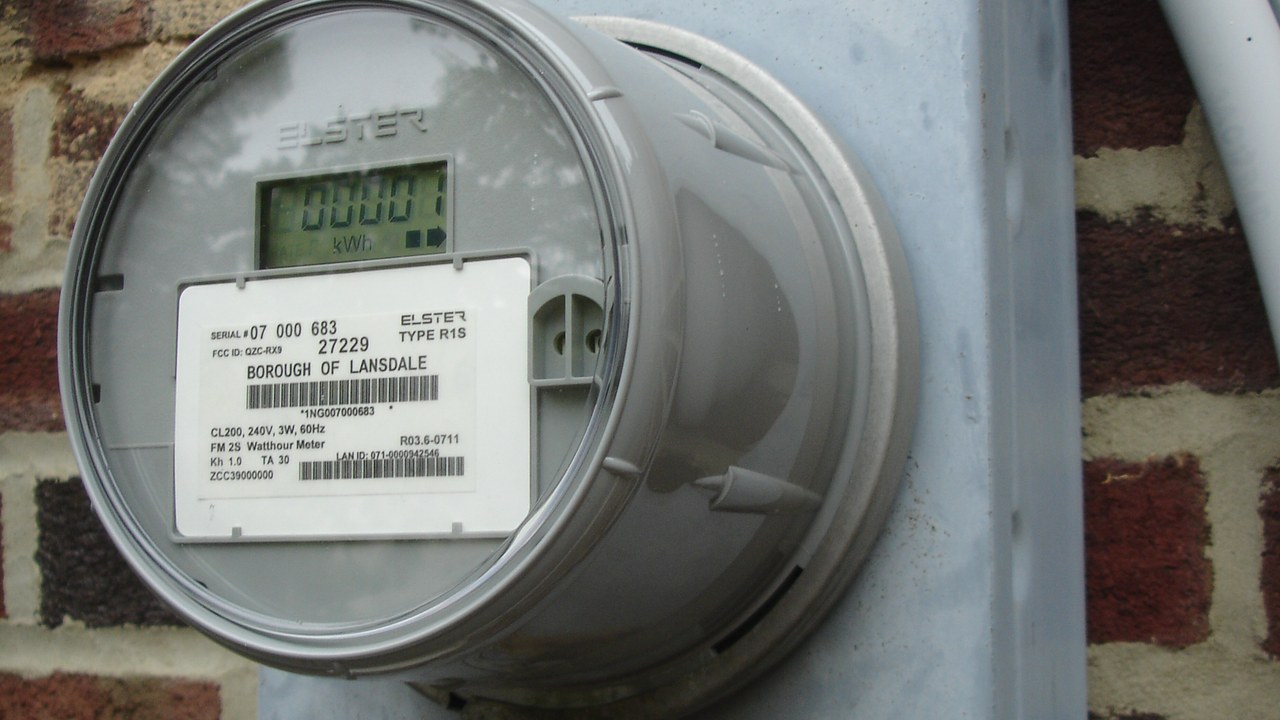
Nothing about California’s Climate Credit got bigger this year. The same money is going to the same households; it is simply landing on different bills. Regulators pulled the residential electric credit off the mild months and put it on August and September instead, and for customers of the state’s three largest utilities that credit is arriving right now.
The August and September credit belongs to PG&E, SCE and SDG&E residential electric customers
The new calendar is not statewide, and that is worth settling before anything else. The California Public Utilities Commission named the utilities directly when it approved the change: “For residential electric customers of Pacific Gas and Electric Company (PG&E), Southern California Edison (SCE), and San Diego Gas & Electric (SDG&E), the Climate Credit will be provided in August and September, which are peak summer months for California’s three largest utilities.”
Customers of California’s smaller electric utilities are on a different schedule entirely. Bear Valley, Liberty and Pacific Power residential customers receive their 2026 credit in April and November, so a household on one of those systems watching an August bill for a Climate Credit is watching the wrong month. The natural gas credit has not moved this year either. It is still delivered in April in 2026, and it shifts to February beginning in 2027.
That leaves a household buying electricity from one of the big three and gas from a gas utility with two credits running on two unrelated timetables, only one of which is a summer event. The gas credit for 2026 has already come and gone in April. The electric one is the one on the bill now.
Free retirement updates: Want plain-English help keeping more of your money in retirement? The free Retirement Shield newsletter covers scams, benefits, and money many retirees may be owed, a couple times a week. Subscribe free.
Moving the money to high-billed months is the entire change
The commission puts its reasoning at the top of its own Climate Credit page, in language that leaves no doubt about what was being solved for: “The Residential Climate Credit is changing in 2026! As part of a statewide mandate to support affordability, the 2026 Electric Residential Climate Credit will be distributed in high-billed months.”
The lever being pulled is timing, not generosity. A bill credit is worth the same number of dollars in a mild month as in a hot one. What changes is the size of the bill it lands against, and how much of that bill it actually erases. By moving the credit onto what the commission calls peak summer months for California’s three largest utilities, the state aimed the same money at the two bills in the year that are hardest to absorb.
It is a small distinction with a real consequence for household budgeting. A credit that shows up in a low month tends to disappear into the general fog of a paid bill. A credit that shows up in the month the air conditioning ran constantly is the difference between a bill a household pays without thinking and one it has to plan around.
What the 2026 table pays: $36.18, $36.00 and $49.36
The amounts are published as a plain grid. Under the 2026 Electric California Climate Credit Amounts & Months table, PG&E residential customers receive $36.18 in August and $36.18 again in September. SCE customers receive $36.00 in each of the two months. SDG&E customers receive $49.36 twice.
Across the two bills, that works out to $72.36 for a PG&E household, $72.00 for an SCE household and $98.72 for an SDG&E household. The spread is not trivial. An SDG&E customer collects about $26 more over the summer than a PG&E customer down the coast, for the same program, on the same two bills.
The pool behind those figures is substantial. In 2026 the Climate Credit for residential electric customers totals $894 million, with a further $520 million set aside for natural gas customers. Divided across every residential electric account at the participating utilities, that is what yields a per-household number in the thirties and forties rather than the hundreds.
The two pools also explain why electric and gas customers now sit at opposite ends of the year. The $894 million on the electric side is timed to the summer cooling peak. The $520 million on the gas side is moving to February from 2027 onward, which sets it against winter heating instead of spring. Same program, same reasoning, opposite seasons.
There is no form, no enrollment and nothing to apply for
This is the unusual part for anyone used to chasing state money. The CPUC describes the benefit as “an automatic bill reduction funded through California’s Cap-and-Invest Program,” and lists among the effects of the revised schedule that it will “provide automatic savings without enrollment or application.”
So there is no window to miss here and no paperwork to lose. The only useful step is to actually look at the August bill and confirm the credit is on it, then look again in September. A customer who cannot find it on either one has a question to raise with their utility rather than an application to fill out. Households that never read past the amount due are the ones most likely to assume nothing happened.
The order dates to April 30, and AB 1207 fixed the months in law
The decision behind all of this is not new. The commission adopted it on April 30, 2026, and its fact sheet carries the same date. What is happening now is the delivery: the August credit is on bills, and the September one follows behind it.
Nor are the months a matter of regulatory preference any longer. In the commission’s own words, “today’s decision implements key provisions of Assembly Bill 1207 (2025), which extends the Cap-and-Invest Program through 2045 and mandates that Climate Credits be distributed during high-bill months.” That statutory mandate is why the electric credit now sits in August and September, and why the natural gas credit moves to February in 2027 rather than staying in April. The numbers a household should be looking for are the ones on the commission’s table: $36.18, $36.00 or $49.36, twice.
This article was produced with AI assistance and reviewed by a human editor. Figures are linked to their primary sources; where a claim could not be verified from the public record, we say so.
More Financial Reading