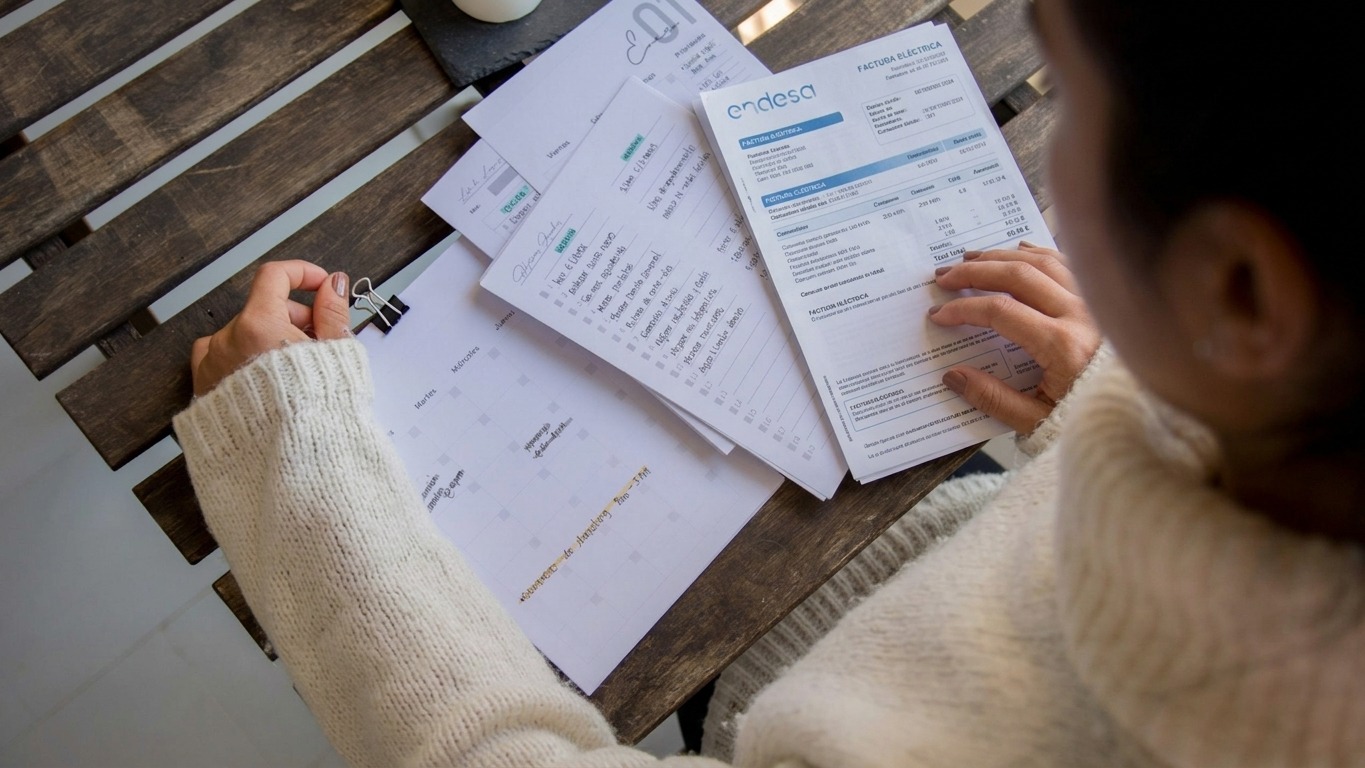
Ohio’s summer cooling help is in its final stretch. The Home Energy Assistance Program’s Summer Crisis window opened July 1 and closes September 30, and everything about it runs through an appointment with a local energy assistance provider, booked by phone or online. For income-eligible households, including any household with a member 60 or older, the one-time benefit can put up to $500 toward an electric bill, and households served by an electric cooperative or municipal utility can receive up to $800.
What the One-Time Benefit Covers, and the $500 vs. $800 Split
The size of the benefit depends on who sends your electric bill. Customers of the investor-owned utilities that the state regulates fall under the lower cap, while co-op and municipal customers, whose rates the state does not set, fall under the higher one.
According to the Office of the Ohio Consumers’ Counsel factsheet on the program, customers of regulated utilities may receive up to $500 and customers of unregulated utilities up to $800, applied to the cost of electric bills. The money can also go toward central air conditioning repairs or the purchase of an air conditioning unit or fans. Two fine-print rules are worth knowing before the appointment: if the account balance exceeds the maximum benefit, the household makes a co-payment on the rest, and a household can pair the bill benefit with one cooling-equipment benefit, an air conditioner repair, a unit, or a fan, once per cooling season. Households on the Percentage of Income Payment Plan Plus cannot apply the benefit to their PIPP Plus default payment or first payment. The Public Utilities Commission of Ohio’s program page describes the same one-time benefit, available July 1 until September 30.
Free retirement updates: One number can cost or save hundreds a month in retirement. The free Retirement Shield newsletter surfaces the ones worth knowing. Sign up free.
The 175% Income Test and the Age-60 Door
Eligibility has two layers, and both have to be satisfied. The first is income: the total household income must be at or below 175% of the federal poverty guidelines for households of up to seven people, and households of eight or more are measured against 60% of the state median income instead, as laid out in the June 30 announcement of this year’s program. The exact dollar cutoffs shift with household size, so the cleanest move is to let your local provider run the numbers at the appointment rather than guessing yourself out of applying. For households larger than seven, the factsheet’s own instruction is the same: contact the local energy assistance provider directly.
The second layer is a qualifying circumstance, and only one is needed. The consumers’ counsel factsheet lists them: a household member who is 60 or older, with no medical documentation required; a household member with a documented medical condition verified by a qualified medical professional; a disconnection notice on the electric account; service that has already been shut off; or new electric service being established. That first door is the one many retirees miss. Age alone, plus qualifying income, is enough, with no shut-off notice and no doctor’s letter required.
Getting the Appointment Before September 30
Benefits are not issued online or by mail on their own; the program runs on appointments with the local energy assistance provider, typically a community action agency. Appointments can be scheduled by calling (800) 282-0880, the line named in the program announcement, and the state’s energy assistance portal connects households to their local provider and to the online application system, which uses a state OHID login. Once the paperwork checks out, it is the local agency, not a state office, that determines which benefits the household can receive.
The paperwork list is short but strict, and arriving without it is the most common way to lose a week. Per the announcement, households should bring copies of their most recent energy bills; a list of all household members with proof of income for the past 30 days or 12 months for each; proof of U.S. citizenship or legal residency for everyone in the household; proof of disability where it applies; and physician documentation if the application leans on a medical condition. September 30 is the hard stop, and appointment calendars at local agencies tighten as the deadline approaches, so an August call beats a late-September one.
What Last Summer’s Numbers Say About This Program
This is not a small or obscure fund. The June announcement of the 2026 program reported that the Summer Crisis Program assisted more than 55,000 Ohio households last year and paid out $12.4 million in benefits, which is the clearest evidence that the money is real, the process works, and plenty of neighbors are already using it. Demand at that scale is also why the appointment calendars tighten: tens of thousands of households move through local agencies inside a single 13-week window.
For a household on a fixed income staring down an August electric bill with the air conditioner running, the arithmetic is straightforward. The benefit is up to $500 on a regulated utility’s bill, up to $800 on a co-op or municipal bill, and the consumers’ counsel factsheet puts the closing date in bold for a reason: the Summer Crisis Program is available from July 1 until September 30, and after that the cooling help is gone until next summer.
This article was produced with AI assistance and reviewed by a human editor. Figures are linked to their primary sources; where a claim could not be verified from the public record, we say so.
More Financial Reading