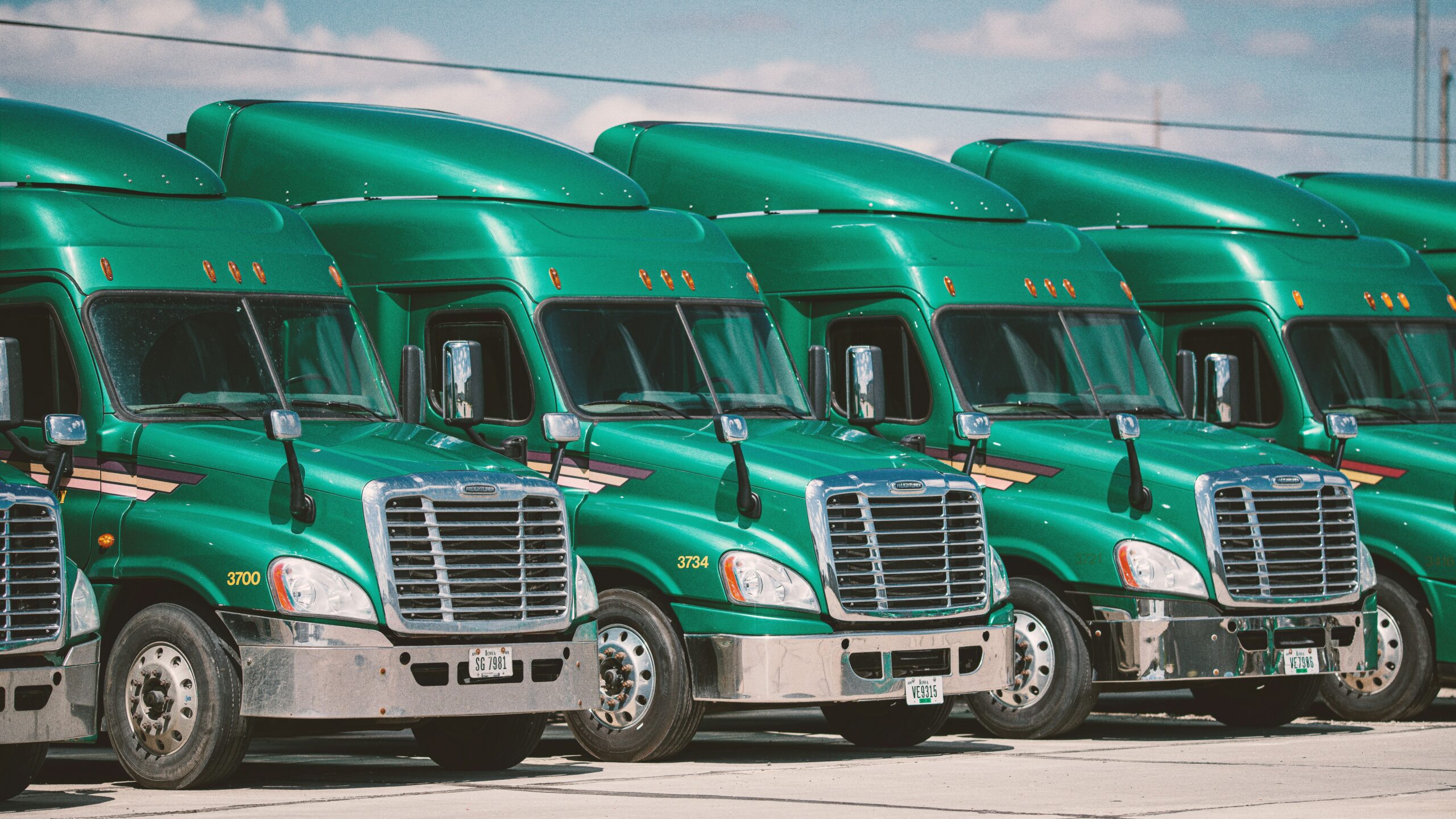
Picture finishing a full week of container runs out of Newark and opening the pay statement to a negative number — not a small check, but a bill, because deductions for fuel, tolls, parking, insurance, and truck repairs had swallowed the entire week’s gross pay. New Jersey investigators say that is exactly what happened in some pay periods to truck drivers at one of the port’s big logistics operations. The drivers were labeled independent contractors, but the state said they were employees all along. The case has now settled on terms that put those drivers first in line to be paid, even through the company’s bankruptcy.
A $2.78 million settlement that survived STG’s bankruptcy
On July 29, 2026, New Jersey Attorney General Jennifer Davenport and Acting Labor Commissioner Kevin D. Jarvis announced a settlement of at least $2,775,000 with STG Logistics, Inc., STG Drayage, LLC, and related subsidiaries, resolving allegations that the companies misclassified hundreds of truck drivers as independent contractors. Of that total, $2,220,000 goes directly to the drivers, primarily for violations of the state’s wage and hour laws. The remaining $555,000 goes to the State of New Jersey, split between wage and hour penalties and contributions to the unemployment compensation and disability benefits funds.
The money survived the thing that usually erases recoveries like this: bankruptcy. STG filed earlier this year, and many of its debts were canceled. The settlement amount was structured as a priority claim under both the bankruptcy code and the agreement itself, so the drivers stand ahead of other creditors waiting to be paid. There is also a hammer behind the promise. If STG violates the agreement, the state collects an additional $7,500,000 in penalties.
Free retirement updates: Every year, billions in settlements and unclaimed money go unclaimed. Our free Retirement Shield newsletter sends the real ones — with deadlines — a couple times a week. Get the free newsletter.
Deductions for fuel and tolls that swallowed whole paychecks
The paycheck mechanics are described in blunt terms in the state’s announcement. The labor department found that STG “[d]educted, diverted, and withheld millions of dollars from drivers’ pay for fuel, tolls, parking, liability insurance, fees, and truck maintenance and repairs” in violation of New Jersey’s Wage Payment Law, “deductions that were sometimes greater than a driver’s entire gross pay, resulting in negative net pay during some pay periods.” A driver could put in a full pay period and end up with less than nothing to show for it.
That was one item on a longer list. The state also found that STG at times failed to pay the minimum wage, failed to keep records of hours worked and wages paid, failed to make earned sick leave available, failed to carry sufficient workers’ compensation insurance, and skipped required contributions to the state’s unemployment and disability funds. Each of those is a right or benefit that belongs to an employee and not to an independent contractor, which is why the label on the paperwork was worth so much money to the company.
If you or someone in your family drives, delivers, cleans, or provides care under a 1099 arrangement, the pattern is worth studying. The deductions here were not hidden; they were itemized, week after week, on statements that looked official. What made them unlawful in the state’s eyes was the underlying relationship: these workers were employees, so New Jersey’s wage laws applied to every dollar taken out.
Why the state said the drivers were employees all along
New Jersey decides that question with its “ABC” test, which starts from the presumption that a worker is an employee. A company must prove all three prongs to use the contractor label: the worker is largely free from the company’s control, the work falls outside the company’s usual business or its places of business, and the worker has a genuinely independent trade or business of their own. According to the settlement announcement, STG failed to meet any of the three.
The control evidence was extensive. The companies required their name to appear on drivers’ trucks, required drivers to lease those trucks to the company for its exclusive possession and use, and prohibited outside work with the trucks without written consent. Drivers signed non-negotiable “independent contractor agreements,” had GPS tracking devices installed in their trucks, and had their routes assigned, their deliveries monitored, and their pay rates set by the company.
The test is not hostile to genuine contractors. The state’s own example, offered when it announced the case, is a plumber who runs an independent business, negotiates terms with many different clients, and controls how the work gets done. The drivers’ situation, in the state’s telling, looked nothing like that.
The first courtroom test of New Jersey’s 2021 misclassification law
The state filed the lawsuit on December 11, 2023, the first ever brought under a 2021 law that lets New Jersey take misclassification cases directly to Superior Court. The complaint sought back wages for more than 300 drivers working out of the facility at 283 Wilson Avenue in Newark. The underlying investigation reached back to 2019, when the facility was operated by XPO; STG purchased XPO’s New Jersey intermodal business in 2022 and assumed responsibility for the seller’s past employment practices. XPO itself had paid the state $893,671.28 in August 2020 to resolve an earlier audit over unpaid contributions to the unemployment and disability funds.
“This was our first-ever Superior Court misclassification case, and we saw it through to the end—surviving a company sale, a bankruptcy, and years of litigation,” Jarvis said in the announcement. Attorney General Davenport framed the result in paycheck terms: hundreds of workers “will finally receive money they are rightfully owed and should have been paid right from the start of their tenure as employees.”
Beyond the checks, the executed agreement requires STG to comply with all applicable labor laws going forward and to provide the labor department with information showing that it is doing so, with the extra $7.5 million penalty hanging over any breach. For the drivers whose pay statements once read negative, the state’s July 29 announcement puts them at the front of the bankruptcy line.
This article was produced with AI assistance and reviewed by a human editor. Figures are linked to their primary sources; where a claim could not be verified from the public record, we say so.
More Financial Reading