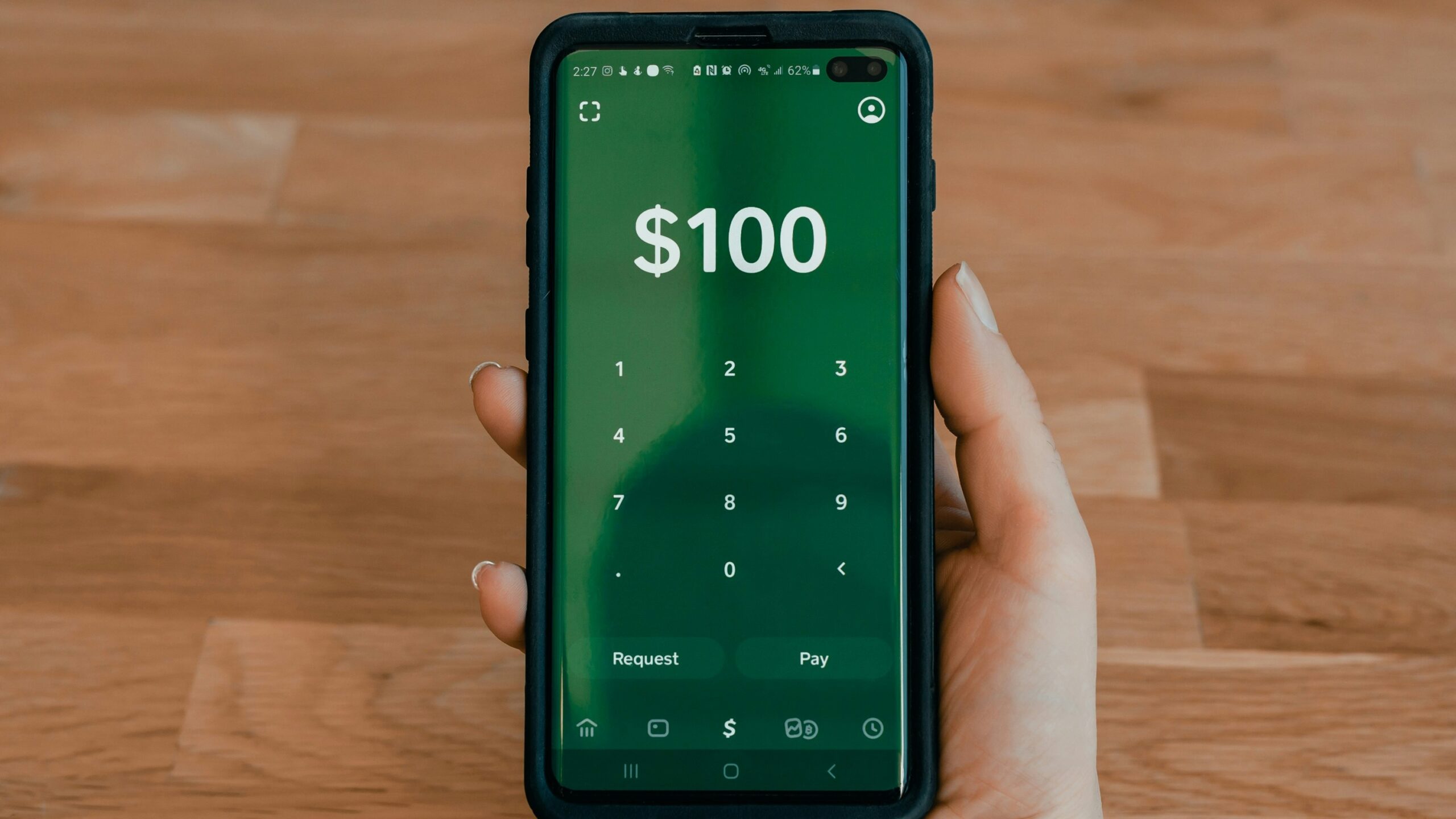
A multistate settlement is forcing Block to change how Cash App responds when money disappears or an account is locked. The company must provide live support, investigate fraud claims and reimburse transactions that federal law classifies as unauthorized. That does not turn every scam loss into an automatic refund, but it gives users a clearer service channel and preserves legal protections that cannot be replaced by a chatbot denial.
The settlement requires real people and specific service hours
The New York attorney general’s July 8 settlement announcement says Block must maintain support able to resolve fraud complaints, account lockouts and other problems. Live help must be available 24 hours a day, with a real person reachable by phone at least 13.5 hours and by live chat at least 18 hours daily.
The $45 million multistate payment is government penalties and related settlement money, not a claim fund promising checks to Cash App users. The consumer value lies in required operational changes, truthful safety marketing, better fraud handling and reimbursement where law requires it.
Free retirement updates: Scams move fast, but their pressure tactics leave patterns. The free Retirement Shield newsletter explains the newest warnings and the practical tell to watch. Get the free newsletter.
Unauthorized transfers differ from payments induced by a scammer
An unauthorized transfer generally occurs when someone accesses the account or payment credentials without permission. A user who knowingly presses send after a scammer lies may face a different legal classification, even though the loss feels equally fraudulent. That distinction can decide whether Regulation E reimbursement applies.
The Consumer Financial Protection Bureau’s electronic-transfer liability rule makes prompt reporting important. Potential liability can grow when a consumer waits after learning that an access device or account information was compromised. Users should report the transaction through the app and a live channel, then save the case number.
A first denial is not necessarily the final word. The user can ask how Cash App classified the transaction, what evidence it reviewed and how to appeal. Screenshots, device-login alerts, messages, bank statements and a police or identity-theft report can show that the account was accessed from an unfamiliar device or location.
Live support should be reached through the app or official site
Search results and social-media replies often contain fake Cash App support numbers. A fraudster posing as an agent may ask for a PIN, sign-in code or remote access to the phone. The legitimate service should not require a customer to send a “test payment” or buy gift cards to unlock reimbursement.
Cash App’s published contact page should be reached by navigating from the official app or typing the address directly. The settlement’s live-service requirement improves access, but it does not make every caller trustworthy. Independent navigation remains the best identity check.
Users should also notify the linked bank or card issuer. A Cash App investigation and a bank dispute can involve different transactions and deadlines. Duplicate recovery is not permitted, but reporting to both institutions prevents one from assuming the other already opened the correct claim.
Account security can limit the damage before a dispute begins
Security Lock, transaction notifications and a unique email password create multiple barriers. A reused password can let a criminal take over both email and the payment account, intercepting recovery messages. The phone’s carrier account should also have a PIN to reduce SIM-swap risk.
Payment apps are poor places to hold emergency savings. Money needed for rent, medicine or utilities is safer in an insured bank or credit-union account with clear access and dispute procedures. Keeping a smaller app balance limits the dollars exposed when a password or phone is compromised.
Recipients should verify incoming payments before handing over goods or sending a supposed refund. A screenshot supplied by a buyer is not proof that funds settled. Overpayment scams use fake notices and then pressure the seller to return the difference with real money.
Family members helping an older adult should focus on controls rather than taking over the account informally. Spending alerts, lower transfer limits and a separate small balance can reduce exposure while preserving independence. Sharing a PIN or signing in from several devices creates a weaker security record and can complicate an investigation.
If a phone is lost, the user should lock the device, protect the mobile number and change the email password before focusing only on the payment app. Email and text access can let a criminal reset credentials. Carrier, bank and app reports should each receive their own confirmation number.
Complaint records may also be filed with a state attorney general or the CFPB when a covered financial product is involved. A regulator complaint should include the transaction date, amount, support case and requested resolution. It supplements the company dispute rather than replacing the need for prompt notice to the app and bank.
The executed settlement supports two concrete rights: Cash App must provide substantial access to live support, and it must fulfill legal duties to reimburse unauthorized transactions. It does not erase the difference between account takeover and an authorized payment made under deception. Fast reporting, precise classification and saved evidence give the household the strongest path through that distinction.
This article was produced with AI assistance and reviewed by a human editor. Figures are linked to their primary sources; where a claim could not be verified from the public record, we say so.
More Financial Reading