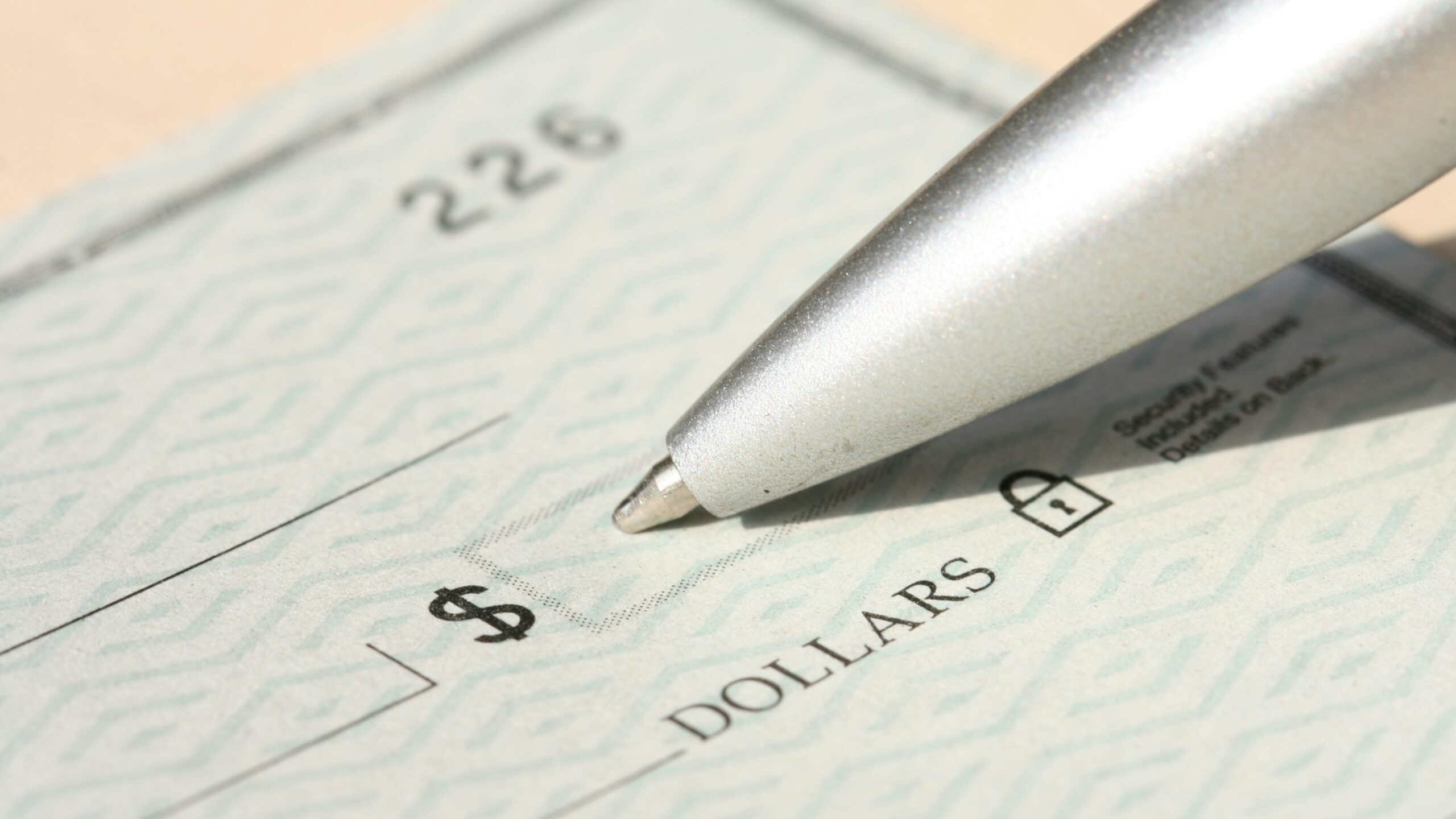
A check arrives from a company you’ve never heard of, referencing a lawsuit you don’t remember, for $47 and change. Every scam instinct you’ve built over the years says shred it. Sometimes those instincts are wrong, and shredding costs you real money: the Federal Trade Commission returned $337.3 million to consumers in 2024 alone, most of it as exactly this kind of unexpected check.
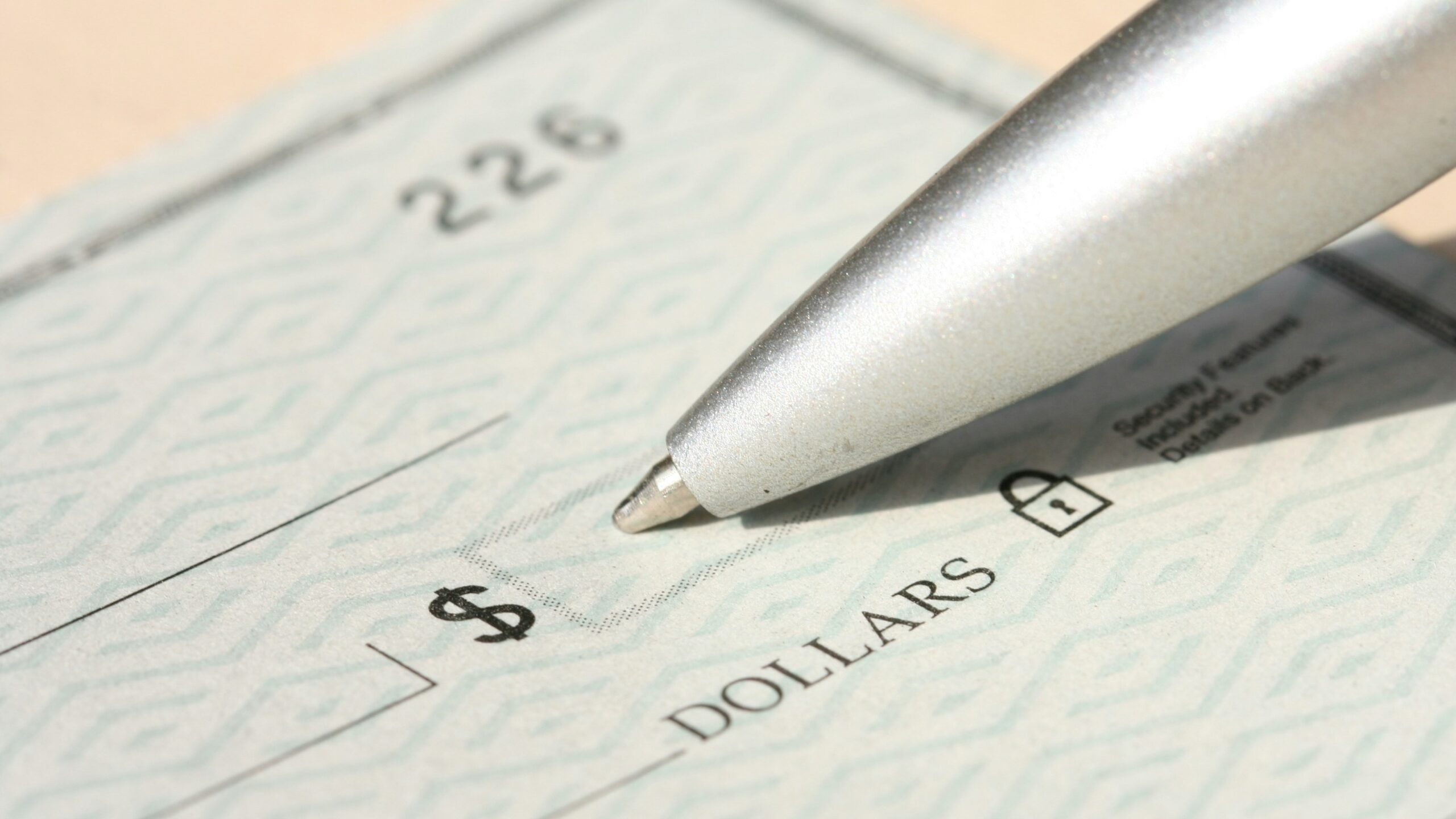
The frustrating part is that fake government-refund checks exist too, and scammers deliberately imitate the real thing. So the skill worth having isn’t “trust it” or “shred it.” It’s a five-minute verification that separates the two. Here’s how the real program works and how to check any refund that lands in your mailbox.
Why the FTC owes strangers money in the first place
When the FTC wins or settles a case against a company for deceiving customers, the settlement often includes money to reimburse the people who were harmed. The agency (usually through a contracted refund administrator) then mails checks or sends electronic payments to customers identified from the company’s own records. That’s why refunds arrive out of the blue: you didn’t apply, the company’s customer list did the work.
These are not small or rare events. In March, the FTC sent checks totaling more than $47.2 million to renters charged undisclosed fees by a large single-family landlord, and over $10.9 million more went out the same month to people caught up in a credit-repair scheme. Some years the agency’s annual refund total tops $300 million spread across dozens of cases.
The one-page test: is your check on the list?
Every active refund program is listed publicly at ftc.gov/refunds, with the case name, the refund administrator handling it, and a phone number for questions. That page is the whole verification: type the company name from your check or letter into that list. If it’s there and the administrator matches the name on your envelope, you’re holding real money. If it’s not, call the FTC’s refund line at 877-382-4357 before doing anything else.
Type the address yourself. Don’t follow a link or QR code from the letter itself if anything about it feels off, since a fake letter will happily point you to a fake verification site.
The tells that separate real from fake
The genuine article has a few unbreakable rules, spelled out in the FTC’s own refund FAQ. The FTC never requires you to pay a fee, buy anything, or hand over account numbers to cash a refund check. It will never call to demand money or personal information to “release” your refund, never asks for gift cards, and never promises a bigger payout if you act tonight.
So the moment any “refund” asks something of you (a processing fee, your online banking login, your full Social Security number over the phone) you’re looking at a scam, full stop. A real FTC refund asks exactly one thing of you: deposit the check.
Two more marks of the real thing: the letter names a specific FTC case, and the check draws on a legitimate bank with the refund administrator’s name matching the public listing. Scam checks often arrive with none of that scaffolding, just urgency.
Deadlines: real checks expire
Here’s the reason not to let a verified check sit in the junk-mail pile: FTC refund checks are void after 90 days, and the expiration is printed on the check itself. Electronic payments move even faster; PayPal payments in FTC cases must typically be redeemed within 30 days. If your check expired in a drawer, contact the refund administrator listed for your case at ftc.gov/refunds and ask about reissue options; policies vary by case, and reissue isn’t always possible once a program closes out.
Cashing a legitimate FTC check costs nothing and commits you to nothing. You’re not signing away rights or joining a lawsuit. The money is already yours; the check is just the delivery.
Why the amount looks random
Refund amounts depend on how much money the settlement recovered and how many eligible customers there are. If the pot is smaller than the total harm, everyone gets a proportional share, which is how you end up with checks for odd amounts like $23.71. A modest check doesn’t mean the letter is fake; it usually means the recovered funds were spread across many thousands of people.
If you spot the fake version
Counterfeit “government refund” letters tend to overreach: they cite agencies that don’t send refunds that way, demand upfront taxes or fees, or send a check for too much and ask you to wire back the difference (a classic fake-check scam; the wire is gone before the check bounces). Report those at ReportFraud.ftc.gov. Your report feeds the same enforcement pipeline that funds the real refund checks, which is a tidy bit of justice.
The habit to keep: never pay to be paid, verify at ftc.gov/refunds before cashing or trashing, and once verified, get to the bank inside 90 days. Skepticism about surprise checks is healthy. Just point it at the right target.
This article was produced with AI assistance and reviewed by a human editor. Figures are linked to their primary sources; where a claim could not be verified from the public record, we say so.