Put your water bill next to one from five years ago and the difference is hard to miss. Water and sewer rates have been climbing steadily in most of the country — and unlike gas prices, they almost never come back down once they go up.
The frustrating part: most of the increase has nothing to do with how much water your household uses. It’s driven by the cost of the pipes, pumps and treatment plants that deliver it — a repair bill that has been building for half a century and is now coming due. Here’s what’s actually behind the climb, and the handful of things that genuinely help.
The $625 billion repair bill under the street
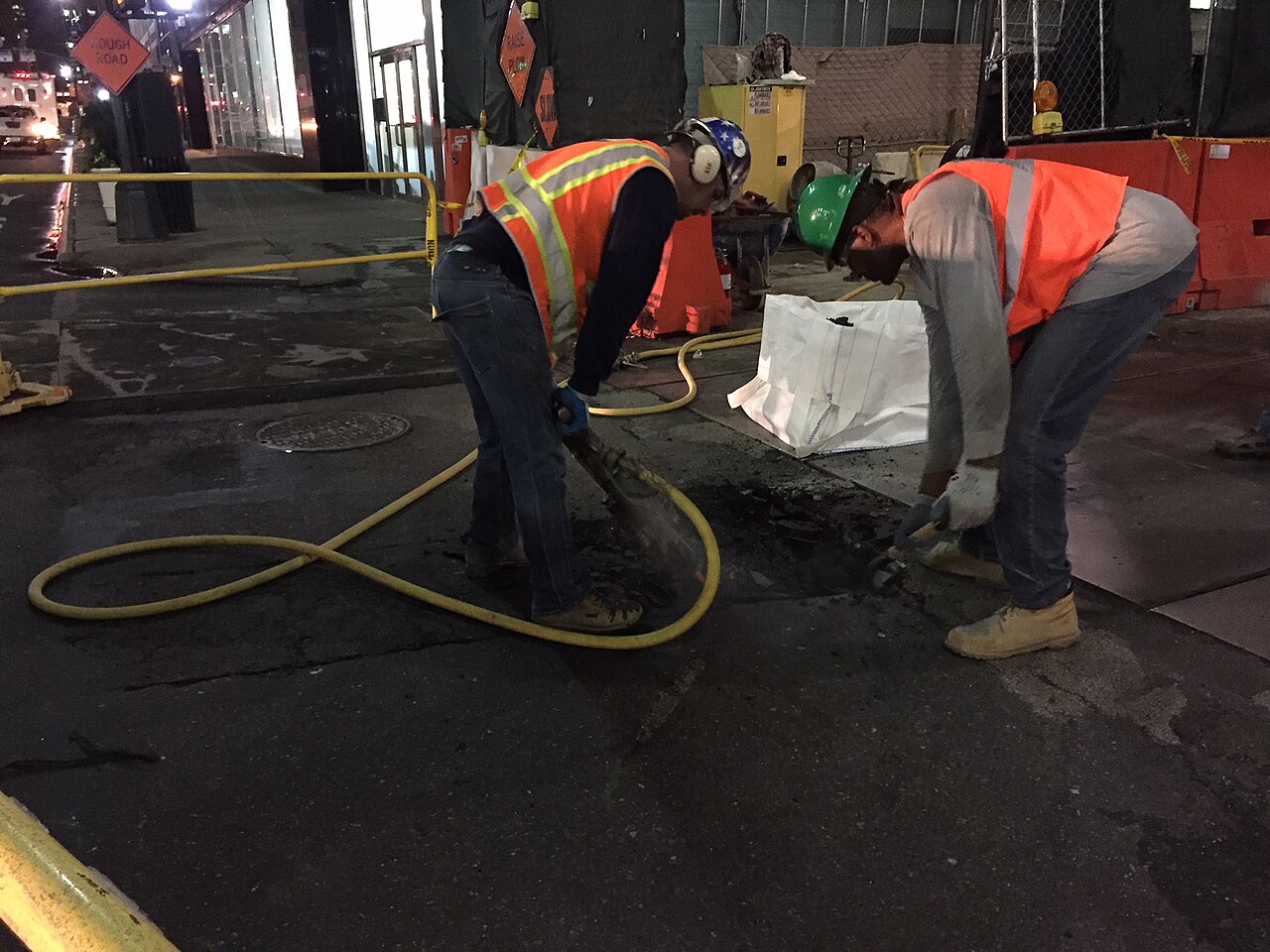
Every few years, the Environmental Protection Agency surveys the nation’s drinking water systems to estimate what it will cost to keep them working. The most recent assessment, EPA’s 7th Drinking Water Infrastructure Needs Survey, put the tab at $625 billion over 20 years — a 32 percent jump from the $472.6 billion estimated in the prior survey, even before accounting for inflation.
The biggest piece by far, about $423 billion, is for replacing or rehabilitating aging distribution pipes — the mains under your street, many of them laid generations ago. Another $107 billion is for treatment upgrades, including new requirements to deal with contaminants.
Here’s the part that lands on your bill: unlike roads or schools, water systems are funded almost entirely by the people who use them. Federal loans and grants cover a slice, but when a utility replaces a century-old main or builds a new treatment train, ratepayers pay most of it back over time. Rising labor, chemical and construction costs get passed through the same way.
Why smaller towns often get hit hardest
A big-city utility can spread a $50 million project across a million customers. A small-town system has to spread its projects across a few thousand. EPA’s affordability work has found that smaller, disadvantaged communities frequently face rates above what’s considered affordable for exactly this reason — there simply aren’t enough ratepayers to split the check.
That’s why two towns twenty miles apart can have wildly different bills. Your rate reflects your system’s age, size, water source and debt load, not some national price of water.
How many households are struggling with the bill
This is not a small-scale problem. EPA’s Water Affordability Needs Assessment, a report to Congress, estimated that between 12.1 million and 19.2 million U.S. households lack affordable access to water services, and put the national cost of unaffordable water bills at $5.1 billion to $8.8 billion per year. If your bill feels heavier than it used to, you have plenty of company.
The cheapest fix: chase down your leaks
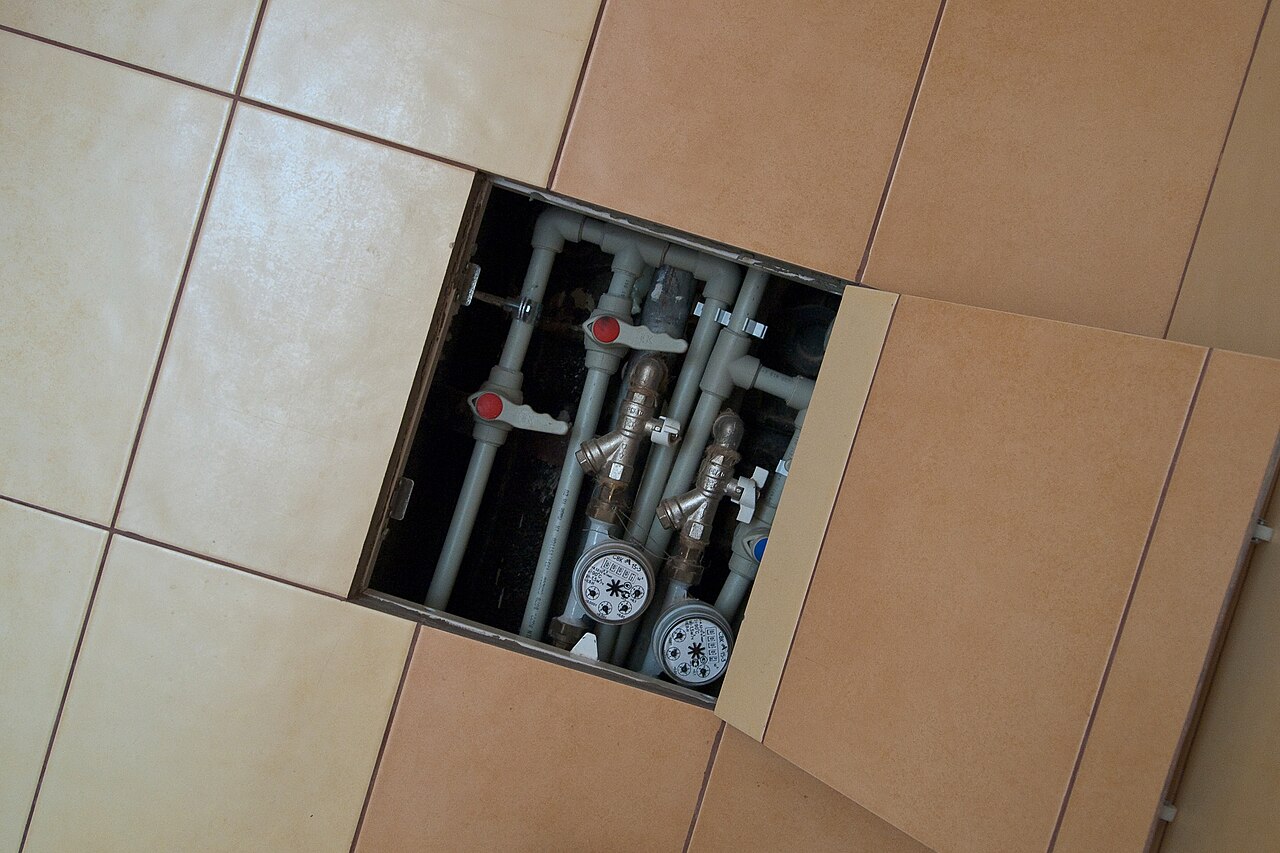
You can’t vote down your utility’s pipe-replacement program, but you can stop paying for water you never use. According to EPA’s WaterSense program, the average household’s leaks waste more than 10,000 gallons of water a year — enough to wash 270 loads of laundry — and fixing easily corrected leaks saves homeowners about 10 percent on their water bills.
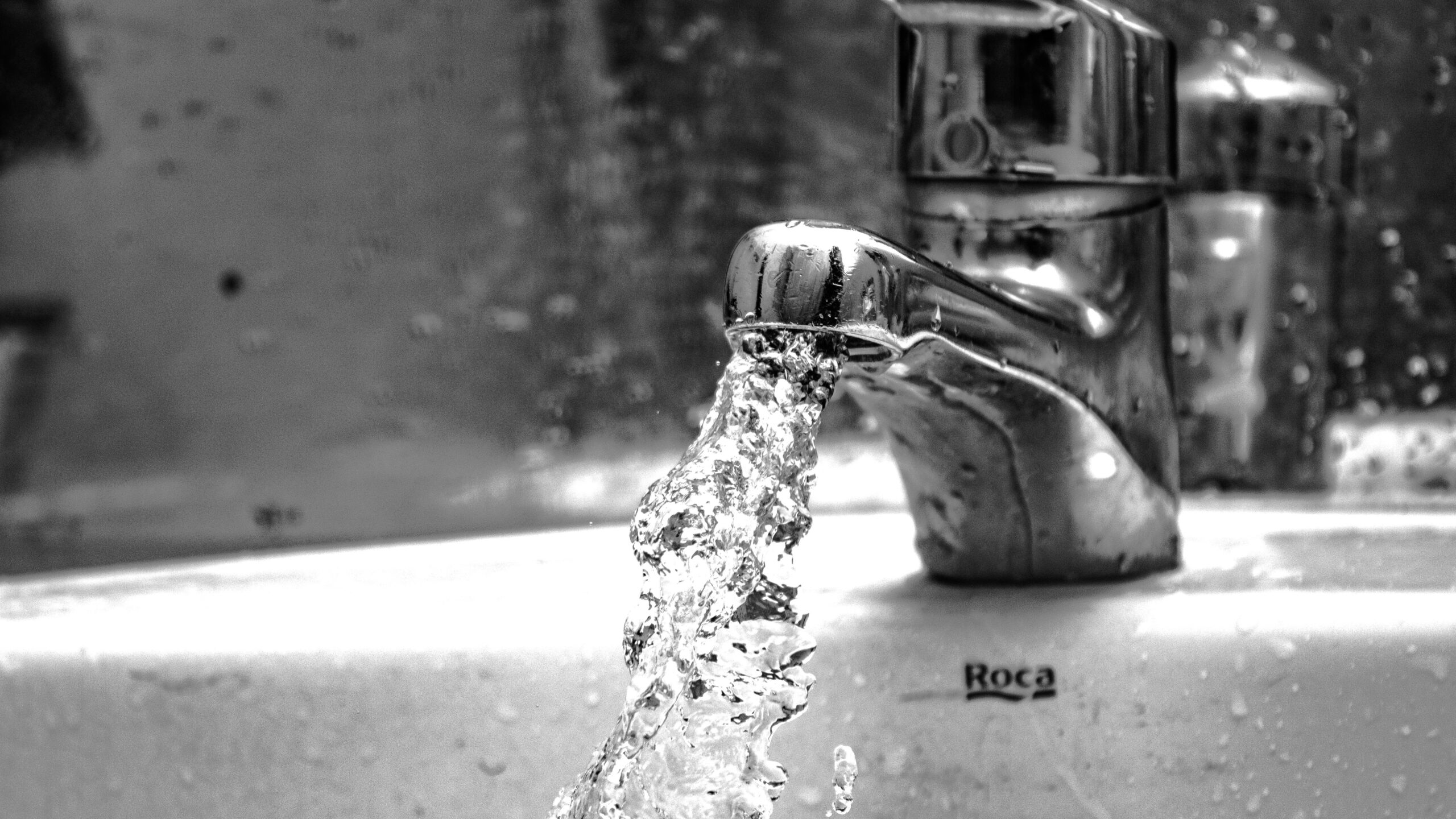
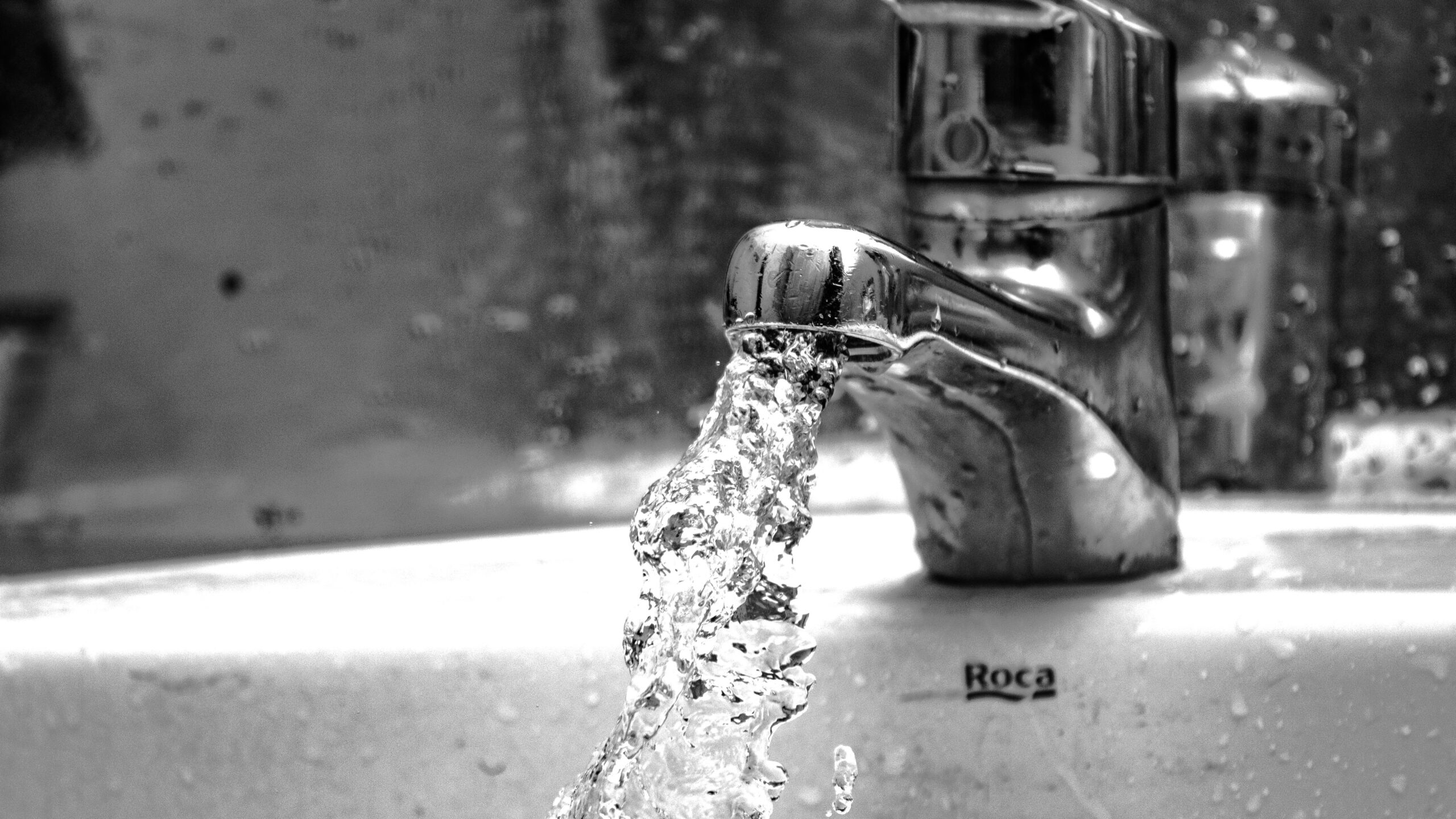
The usual suspects are cheap to fix. A faucet dripping once per second wastes more than 3,000 gallons a year. A worn toilet flapper — the rubber seal in the tank — can silently leak around the clock; drop a little food coloring in the tank, wait ten minutes without flushing, and if color shows up in the bowl, the flapper needs replacing. It’s a few dollars at the hardware store.
One more trick: find your water meter, note the reading, and check it again after two hours when no water is being used. If the number moved, something is leaking.
Upgrades that lower the bill permanently
When a toilet, showerhead or faucet needs replacing anyway, look for the WaterSense label — EPA’s certification that a fixture uses at least 20 percent less water than standard models while performing as well or better. Many utilities sweeten the deal with rebates on labeled fixtures; check your utility’s website before you buy. Outdoors, watering in the early morning and letting the lawn go a little thirsty in high summer matters more than most indoor changes, since irrigation can dominate warm-weather bills.
If the bill is more than you can pay
The federal government briefly ran a dedicated water-bill assistance program — the Low Income Household Water Assistance Program (LIHWAP) — but it was funded as a temporary pandemic-era measure and wound down when the money ran out in 2023. What remains is a patchwork, and it’s worth working through it in this order:
First, call your utility before you miss a payment. Many water utilities run their own customer assistance programs — discounted rates, arrearage forgiveness, or leak-adjustment credits — and nearly all will set up a payment plan if you ask before a shutoff notice goes out, not after. Second, dial 211, the United Way’s referral line, which can point you to local charities and community action agencies that help with utility bills. Third, check your state: some states restrict water shutoffs for households with young children, seniors or medical needs, and some route federal or state funds through local water assistance efforts.
When a bill spikes out of nowhere
A one-month jump usually has a boring explanation: a running toilet, an irrigation line that cracked over winter, a misread meter, or the utility switching from estimated to actual readings. Compare the gallons on the bill — not just the dollars — to the same month last year. If usage doubled and nothing changed in your household, do the meter test above, then ask the utility to re-read the meter. If a hidden leak was the culprit and you’ve repaired it, ask about a leak adjustment; many utilities will credit part of a documented spike once per year or two.
Water bills are climbing for reasons no single household can control. But between leaks, fixtures and assistance programs, most families have more room to push back on the bill than they think — and the first step costs nothing but ten minutes and a bottle of food coloring.
This article was produced with AI assistance and reviewed by a human editor. Figures are linked to their primary sources; where a claim could not be verified from the public record, we say so.