Overall inflation hit 4.2 percent over the past year in this morning’s Consumer Price Index, the kind of number that lands hard on anyone living paycheck to paycheck. But buried inside the May report from the Bureau of Labor Statistics is a quieter story that matters more to the tens of millions of households that rent: rent is now rising slower than almost everything else.
The rent of primary residence index, the line that tracks what tenants actually pay, rose 2.9 percent over the 12 months ending in May. That’s less than the 3.4 percent increase for shelter overall, less than the 3.1 percent for food, and far below that 4.2 percent headline number, which was driven mostly by energy: gasoline is up 40.5 percent over the year. For once, the roof over your head is not the part of the budget accelerating.
The May shelter numbers, item by item
For the month, the shelter index rose 0.3 percent, cooling from April’s 0.6 percent jump. Within it, rent of primary residence rose 0.4 percent in May, owners’ equivalent rent (the imputed rent homeowners would pay for their own homes) rose 0.3 percent, and lodging away from home, mostly hotels, also rose 0.4 percent.
Over 12 months: shelter up 3.4 percent, owners’ equivalent rent up 3.3 percent, and tenant rent up 2.9 percent. These aren’t small line items. Shelter carries a weight of about 35 percent of the whole index, with owners’ equivalent rent alone at roughly 26 percent and tenant rent about 7.7 percent, which is why economists watch this category the way sailors watch the barometer.
Why the government’s rent number lags your landlord’s letter
If your last renewal came in far above 2.9 percent, you’re not imagining things, and the government isn’t lying. The CPI rent measure is built differently from the asking-rent figures on listing sites. As BLS explains in its rent methodology factsheet, the index samples the rents of all tenants, not just units currently listed for new tenants, and each sampled unit is re-priced twice a year. Since most leases only change once a year, market shifts filter into the CPI gradually, often trailing asking rents by many months.
That lag cuts both ways. When asking rents spiked in 2021 and 2022, the CPI understated what apartment hunters faced; as the market cooled, the CPI kept showing hefty increases while new-lease rents flattened. A 2.9 percent print in May 2026 is the slow-moving average of all leases catching up with a calmer rental market.
Rent versus everything else in May
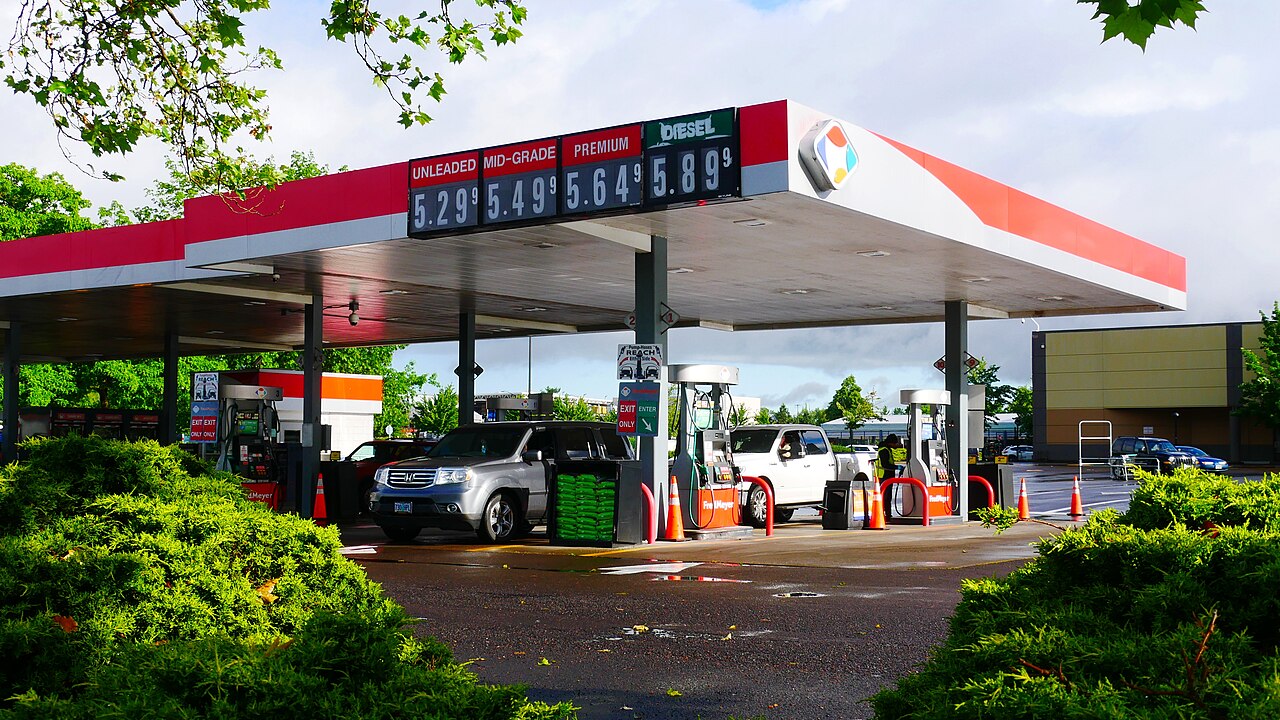
Context makes the 2.9 percent look better still. The energy index rose 23.5 percent over the year, with fuel oil up 58.9 percent, and the overall index accelerated from 3.8 percent in April to 4.2 percent in May, with energy accounting for over sixty percent of the monthly increase. Core inflation, everything except food and energy, ran 2.9 percent, exactly in line with rent. In other words, the current inflation problem is a fuel problem, not a housing problem, a reversal from a couple of years ago when shelter was the main engine of the index.
Your ZIP code is not the national average
The 2.9 percent is a U.S. city average, and rent is the most local price there is. BLS publishes separate indexes for selected metro areas, and they diverge widely; in the New York area, for instance, the region’s most recent release, covering April, showed rent of primary residence up 4.3 percent over the year, half again the national pace. Other metros are running below the average. If you want the number for your area, the regional CPI releases on bls.gov are free and updated on the same schedule as the national report.
What owners’ equivalent rent means if you own your home
Homeowners sometimes wonder why a rent measure dominates their inflation statistics. Owners’ equivalent rent is the BLS’s answer to a genuine puzzle: a house is partly an investment, and the CPI is supposed to measure the cost of living, not asset prices. So instead of tracking home prices or mortgage payments, the index estimates what owner-occupied homes would rent for, using actual rents from comparable rental units. That’s why mortgage rates and home prices never show up directly in the CPI, and why the shelter line can cool even in years when purchase prices don’t. If it strikes you as odd, you’re in good company, but the method is deliberate and decades old, and it means the rent slowdown showing up now pulls down measured inflation for owners and renters alike.
What to do with this at renewal time
A cooling rent index is negotiating information. If your landlord’s renewal letter asks for 7 percent in a market where the measured trend is 3, that gap is your opening: check asking rents for comparable units nearby, and come back with evidence. Landlords price against vacancy risk, and in a slower market, a reliable tenant asking for a smaller increase is often cheaper to keep than to replace. It won’t work everywhere, particularly in tight coastal markets, but the days when every renewal letter could cite runaway rents are, for now, behind us.
One honest caveat: a slower-rising index doesn’t mean rent is cheap. Rents are still climbing from a high plateau, and 2.9 percent on top of the increases of the past five years is real money. What May’s report says is that the pressure is easing, not that it has reversed.
This article was produced with AI assistance and reviewed by a human editor. Figures are linked to their primary sources; where a claim could not be verified from the public record, we say so.